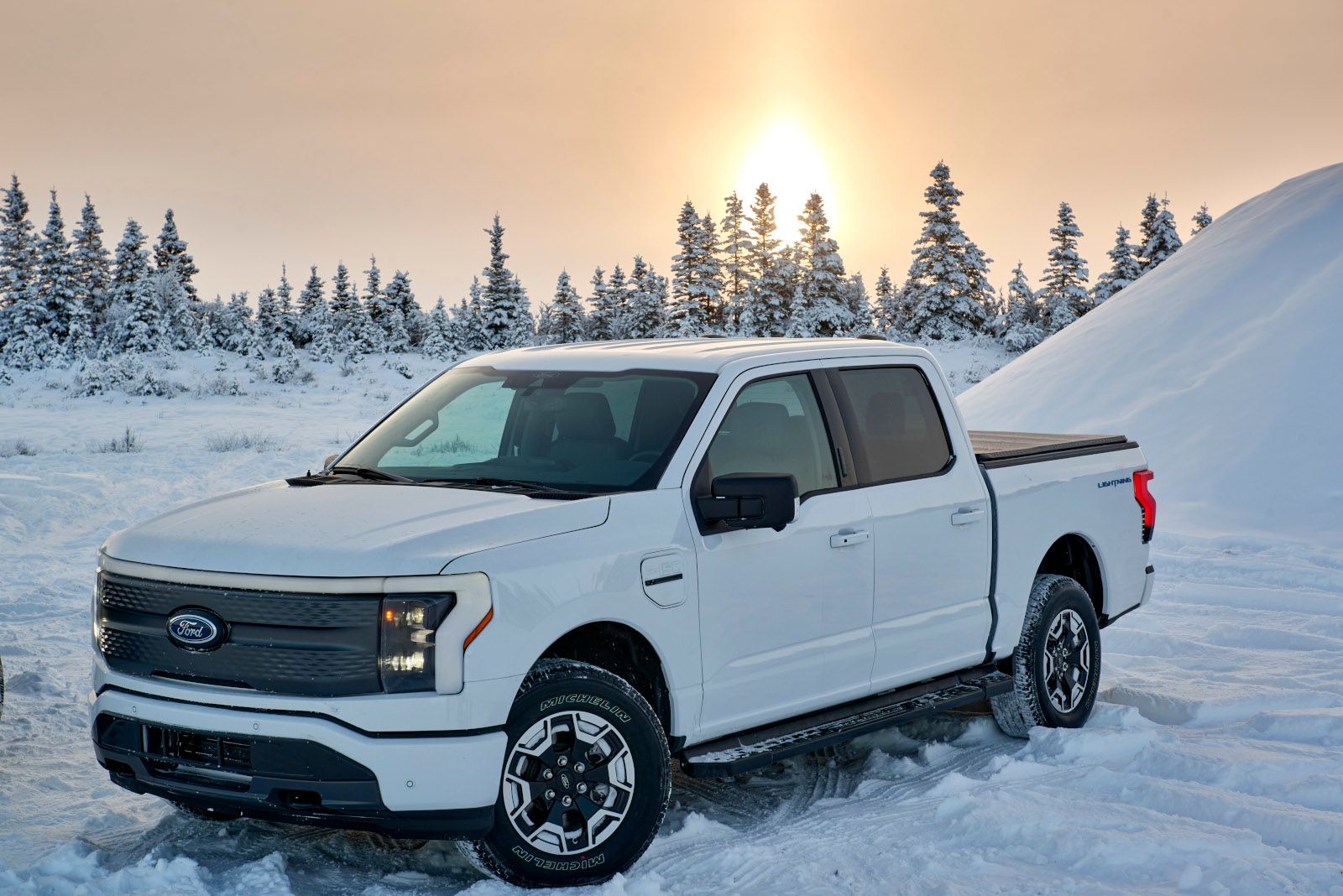
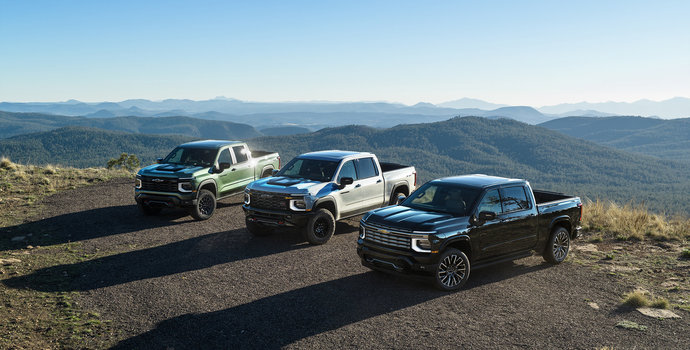
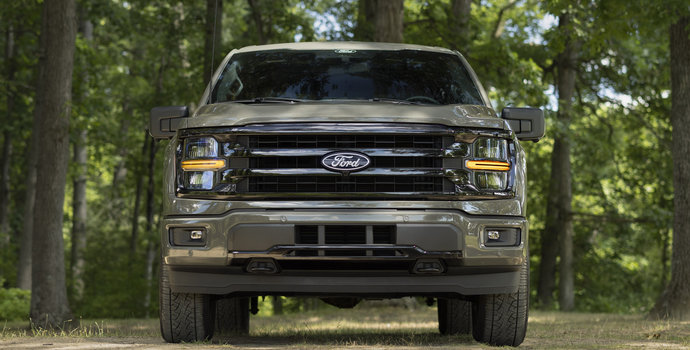
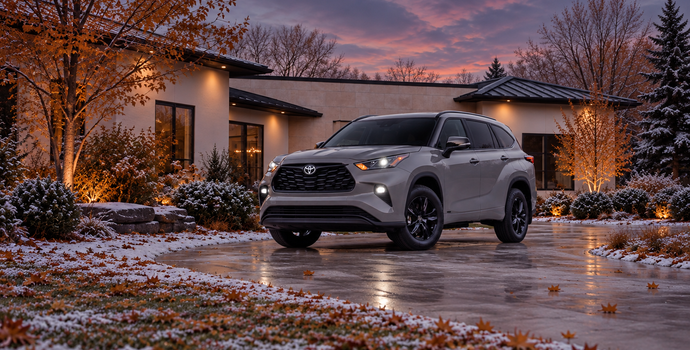
Driving an electric vehicle through an Ontario winter comes with unique considerations that go beyond what gas-powered vehicle owners face. Cold temperatures affect battery performance, range, and charging behaviour in ways that require a bit of planning and adjustment. The good news? With the right strategies, EV drivers across Ontario—from Toronto to Ottawa to Thunder Bay—can navigate winter roads confidently and efficiently.
Understanding how to maximize range and maintain safety in freezing temperatures will make all the difference. Here are ten essential tips to help you get the most out of your electric vehicle during Ontario's coldest months.
Explore Hybrid & Electric Vehicles Built for Ontario Winters
Winter-ready driving starts with the right vehicle. Discover our selection of hybrid and electric models designed to deliver confidence, efficiency, and everyday comfort in cold-weather conditions.
Browse Hybrid & EV Inventory >
Understand Winter Range Loss and Plan Conservatively
Cold weather impacts lithium-ion batteries, which means your EV's displayed range will drop when temperatures fall below freezing. Real-world testing in Canadian conditions shows that EVs typically experience 20–30% range reduction in moderately cold weather (around −5°C to −10°C), with some models seeing losses of 30–40% during deep cold snaps at −15°C and below.
This isn't a flaw—it's physics. Cold batteries deliver less power and accept energy more slowly during charging. The key is planning ahead. If your daily commute normally uses 60 km of range, assume you'll need closer to 80–90 km of battery capacity on a January morning. Build in a buffer, especially for highway trips when speeds and heating demands are higher.
Ontario's variable winter weather—from lake-effect snow belts to clear, bitterly cold days on the 400-series highways—means conditions can change quickly. Keep your state of charge higher than you would in summer, and avoid letting your battery dip below 20% if possible. This gives you flexibility for detours, traffic delays, or unexpected stops.
Precondition Your Battery and Cabin While Plugged In
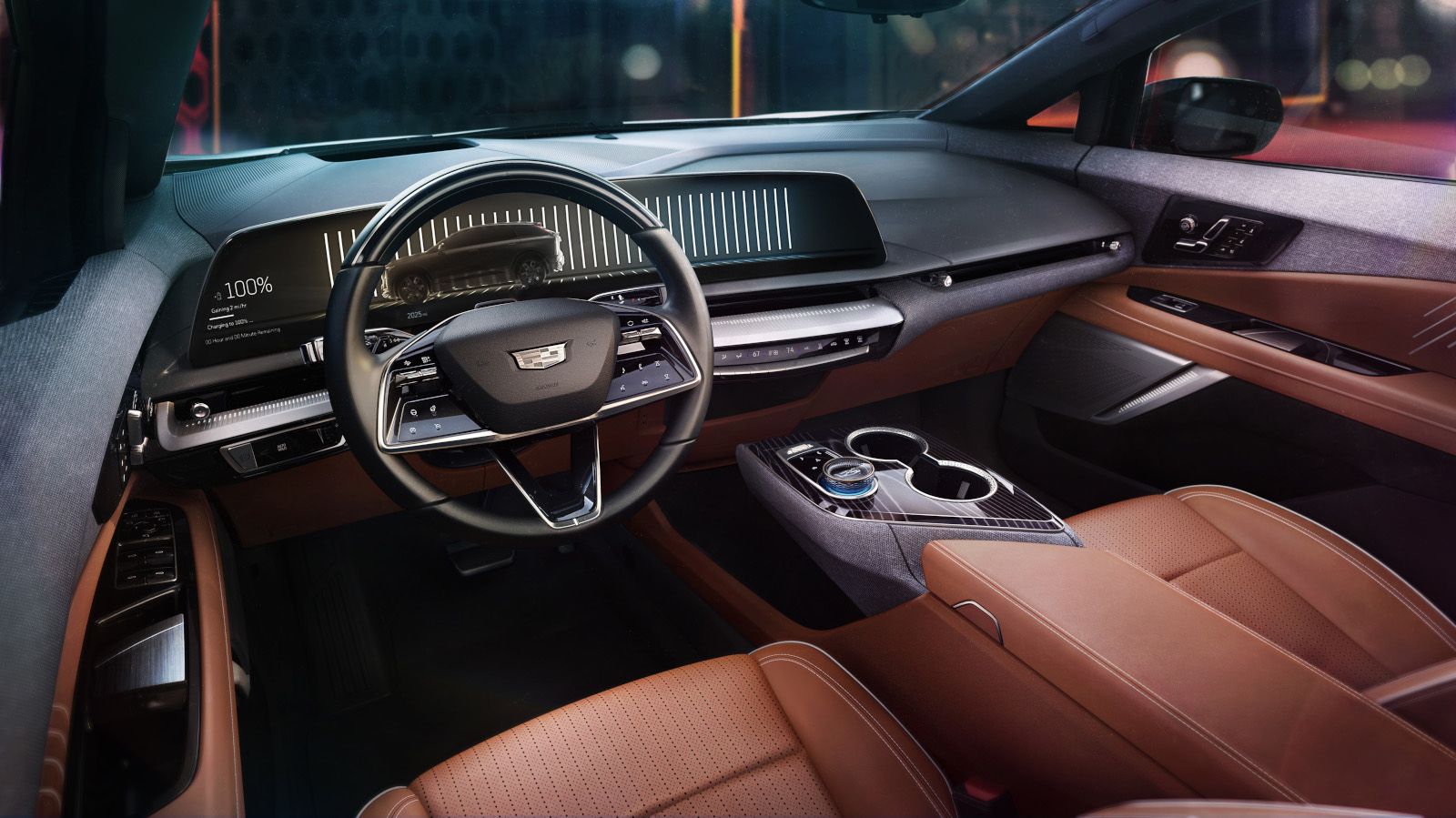
One of the most effective ways to preserve winter range is preconditioning—warming both your cabin and battery while your vehicle is still connected to a charger. This shifts the energy load to the grid instead of draining your battery, and it ensures your pack is at optimal temperature when you start driving.
Most modern EVs, including models from Ford, Chevrolet, Hyundai, Kia, Volkswagen, Audi, and Mercedes-Benz, offer app-based scheduling or in-vehicle settings for preconditioning. For example, you can use the myChevrolet app to remotely start cabin heating on a Blazer EV or Equinox EV, or schedule departure times on a Hyundai IONIQ 5 or Kia EV6 so the vehicle is warm and ready when you leave.
Preconditioning delivers two benefits: a warm, comfortable cabin from the moment you get in, and a battery that's primed to deliver full power and accept regenerative braking efficiently. Canadian EV organizations recommend preheating 20–30 minutes before departure for best results.
Install Proper Winter Tires on All Four Wheels
Unlike Quebec, Ontario does not legally require winter tires province-wide. However, safety organizations, insurers, and Transport Canada all strongly recommend installing winter-rated tires—marked with the mountain-snowflake symbol—on all four wheels from late October through early April.
Winter tires are engineered with softer rubber compounds and deeper tread patterns that maintain grip in cold, snowy, and icy conditions. All-season tires lose flexibility and traction as temperatures drop below 7°C, which significantly increases stopping distances and reduces cornering stability.
For EV drivers, proper winter tires also improve efficiency. Better traction means less wheel spin and smoother acceleration, which helps preserve range. Some efficiency-oriented winter tire models are designed with lower rolling resistance, reducing the range penalty compared to aggressive snow tires.
Many Ontario insurers offer discounts—typically 2–5%—for using winter tires, which can offset part of the cost. If you live in Northern Ontario, studded tires are permitted in designated regions, but they're generally unnecessary for most drivers in Southern Ontario's urban and highway conditions.
Key Takeaways: Winter Tires
|
Factor
|
Details
|
|
Symbol
|
Mountain-snowflake (3PMSF) indicates winter certification
|
|
Installation Timing
|
Late October to early November
|
|
Stud Legality
|
Permitted in Northern Ontario only
|
|
Insurance Discount
|
2–5% savings with many Ontario insurers
|
Use Heated Seats and Steering Wheel Instead of Maximum Cabin Heat
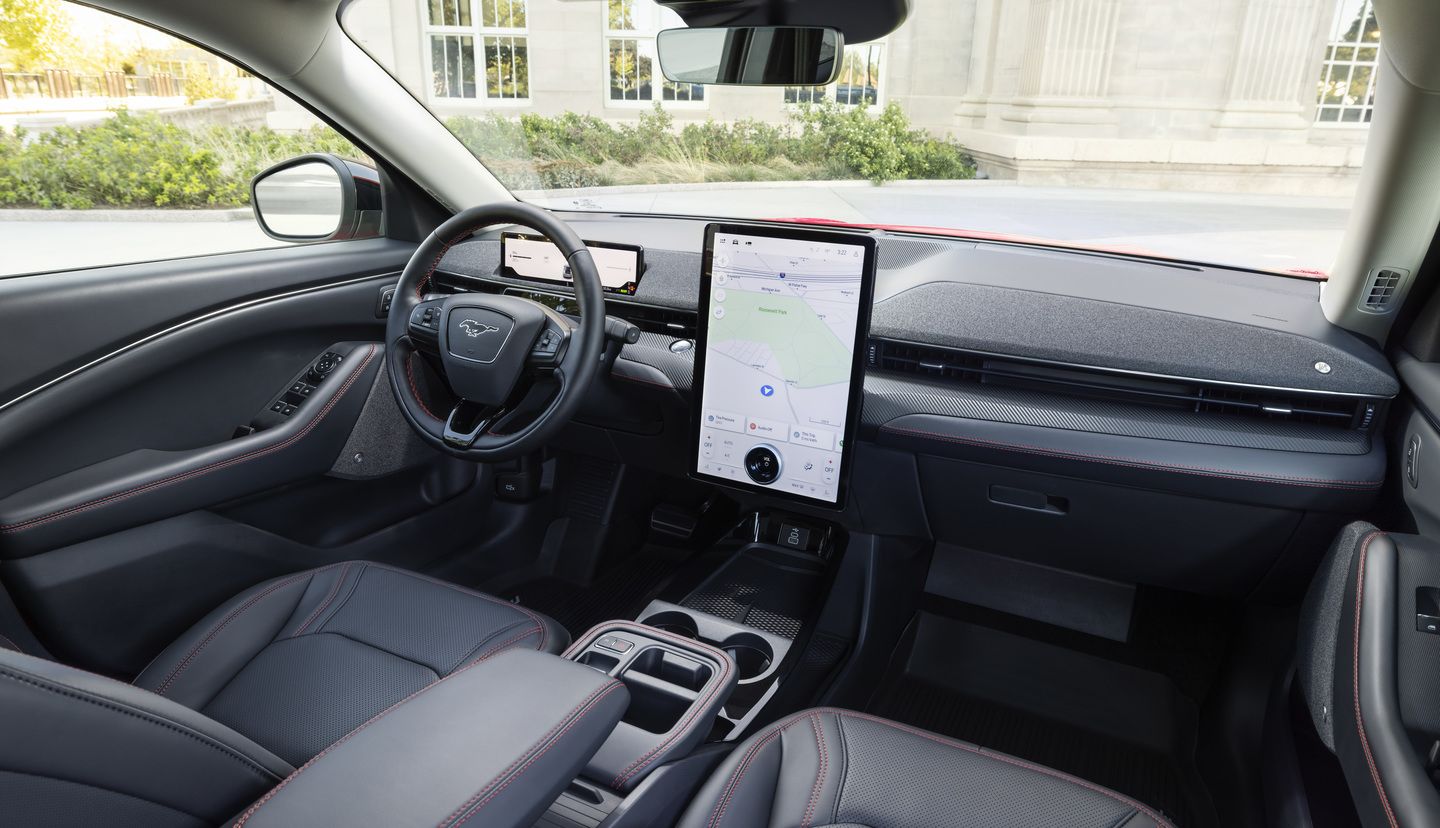
Cabin heating is one of the largest energy drains on an EV in winter. Unlike gas vehicles, which use waste heat from the engine, electric vehicles must draw power directly from the battery to warm the interior. Canadian studies estimate that cabin heating alone can consume 20–25% of usable range in cold temperatures.
The solution? Use your heated seats and heated steering wheel. These features warm you directly and use significantly less energy than heating the entire cabin. Most EVs, including models from Toyota, Honda, Ford, Chevrolet, Hyundai, Kia, Volkswagen, and Mercedes-Benz, offer heated front seats and steering wheels as standard or available equipment.
Start by preheating the cabin fully while plugged in, then reduce the climate control to a moderate setting once you're driving. Relying on seat and wheel heaters keeps you comfortable without the heavy energy penalty of running the HVAC system at maximum output for the entire trip.
Some EVs, like Chevrolet's Equinox EV and Blazer EV, feature Eco Climate technology that adjusts airflow based on occupancy, reducing wasted energy. Engaging this mode in winter can further extend your range without sacrificing comfort.
Choose the Right Drive Mode and Adjust Regenerative Braking
Many EVs offer winter-specific drive modes—labeled "Eco," "Snow," or "Winter"—that soften throttle response and adjust traction control behaviour to improve stability on slippery surfaces. These modes are available on vehicles like the Ford Mustang Mach-E, Hyundai IONIQ 5, Kia EV6, Volkswagen ID.4, and Audi Q4 e-tron.
Regenerative braking, which converts kinetic energy back into battery charge, can feel aggressive on icy roads. If your vehicle allows manual adjustment of regen levels (common on Chevrolet, Hyundai, Kia, and Nissan EVs), consider selecting a lower setting in slippery conditions to avoid unexpected deceleration that could cause a slide.
Some EVs, like the Kia EV6, feature a Smart Regeneration System that automatically adjusts regen intensity based on driving style and road conditions. This helps maintain smooth, predictable braking without requiring constant manual input.
All-wheel-drive EVs from brands like Audi, Volkswagen, Mercedes-Benz, Ford, and GM provide confident traction in snow when paired with proper winter tires. However, remember that AWD helps with acceleration and handling—it does not reduce stopping distances. Gentle inputs and increased following distances remain essential on winter roads.
Monitor and Maintain Proper Tire Pressure
Cold air causes tire pressure to drop—typically about 7 kPa (1 psi) for every 5°C decrease in temperature. Under-inflated tires increase rolling resistance, which reduces range, and they also compromise grip and handling on snow and ice.
Check your tire pressure at least once a month in winter, and always inflate to the recommended pressure listed on the driver's door placard. Many EVs, including Chevrolet models, allow you to monitor tire pressure remotely through the brand's mobile app, making it easy to stay on top of this critical maintenance task.
Proper inflation not only improves safety and efficiency—it also extends tire life by ensuring even wear across the tread.
Protect Your Battery and Optimize Charging in Extreme Cold
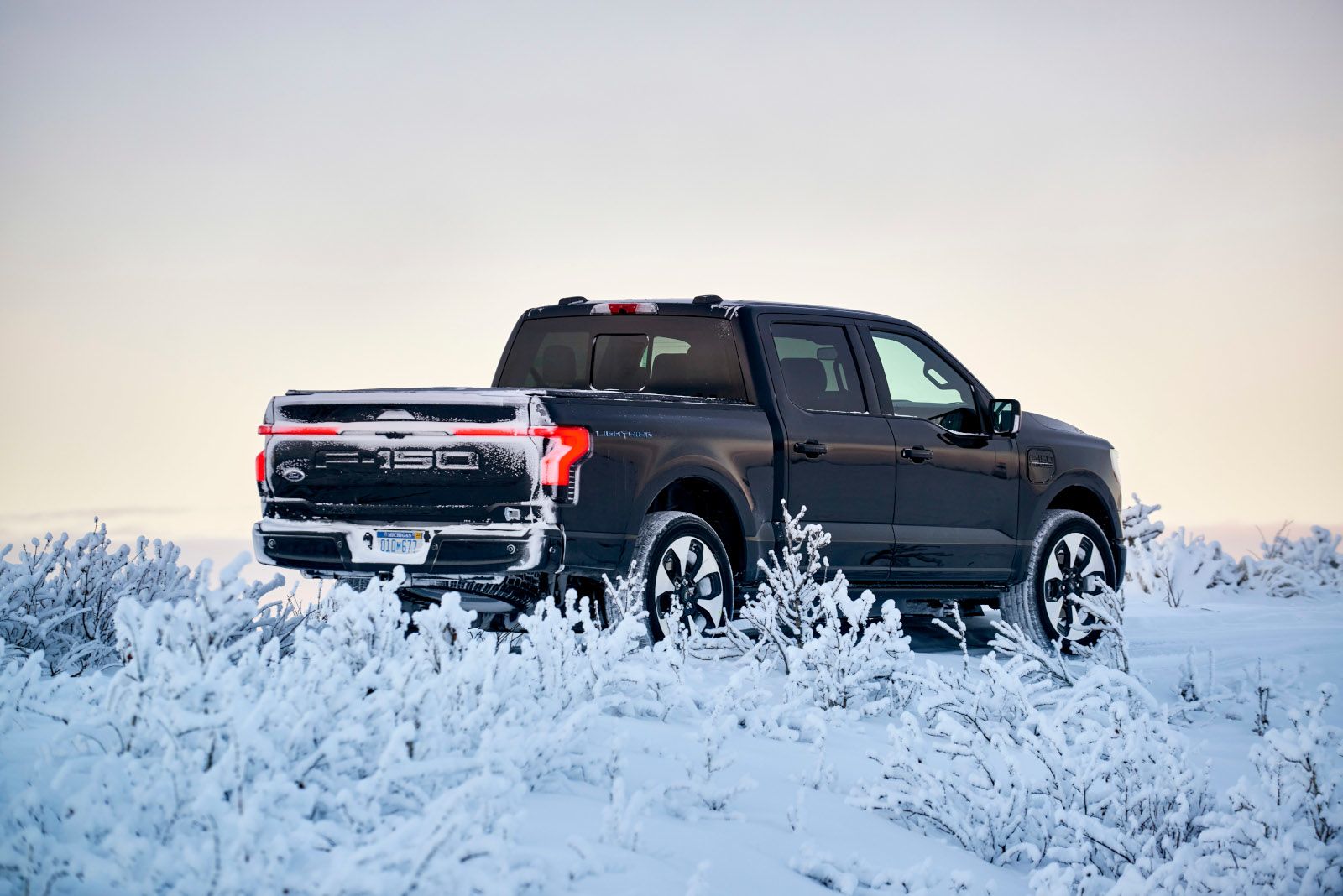
Lithium-ion batteries charge more slowly in freezing temperatures, particularly at DC fast-charging stations. Many newer EVs automatically warm the battery when you set navigation to a fast charger, ensuring the pack is at optimal temperature for faster charging speeds. This feature is available on vehicles like the Ford Mustang Mach-E, F-150 Lightning, Hyundai IONIQ 5, Kia EV6, and Chevrolet Blazer EV.
If your vehicle doesn't offer automatic preconditioning, try to arrive at fast chargers with at least 10–20% state of charge and avoid attempting to fast-charge a fully cold-soaked battery. Charging speeds will be noticeably slower until the pack warms up.
For daily charging at home or work, plug in whenever possible—even if you don't need a full charge. This keeps the battery warm and ready, and it allows you to precondition before your next trip. In extreme cold (below −20°C), keeping your EV plugged in overnight helps protect long-term battery health.
Plan Routes with Extra Time and Energy Margin
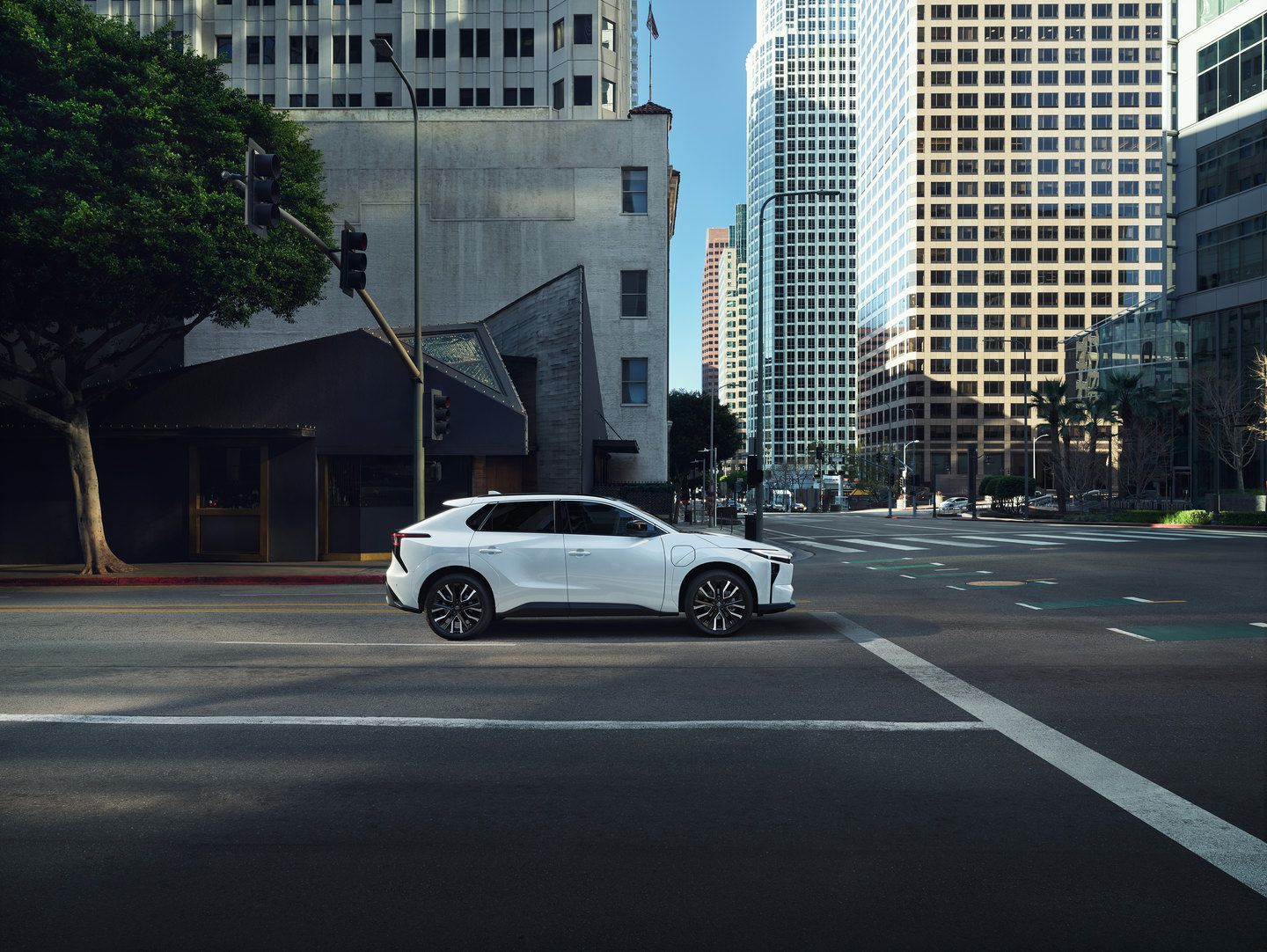
Winter driving in Ontario often involves slower speeds, road closures, and unexpected delays due to weather. EV drivers should plan routes with both time and energy buffers, especially for longer trips on highways like the 401, 400, or Trans-Canada Highway.
Use your vehicle's built-in navigation or apps like ChargeHub to identify public fast chargers along your route. Many EVs from Ford, Chevrolet, Hyundai, Kia, Volkswagen, and Audi integrate real-time charger availability and weather data into their route planners, helping you avoid surprises.
In winter, plan for more frequent, shorter charging stops rather than trying to stretch range to the limit. Charging speeds drop as the battery fills beyond 80%, so stopping at 70–80% and recharging at the next station is often faster and more efficient than waiting for a full charge.
Carry a Winter and Charging Emergency Kit
Preparation is key for safe winter driving. Assemble an EV-specific emergency kit that includes:
- Charging cable and adapters (including your portable Level 1 cord if applicable)
- Snow brush and ice scraper
- Warm clothing, blankets, and gloves
- Phone charger and power bank
- Small shovel and traction aids (sand, cat litter, or traction mats)
- Flashlight and first-aid kit
Keep your state of charge higher than you would in summer—aim for at least 30–40% when parking overnight or heading out on longer trips. This ensures you have enough energy for detours, traffic delays, or being stuck at a railway crossing or in a snowstorm.
Use Connected Services and Keep Software Updated
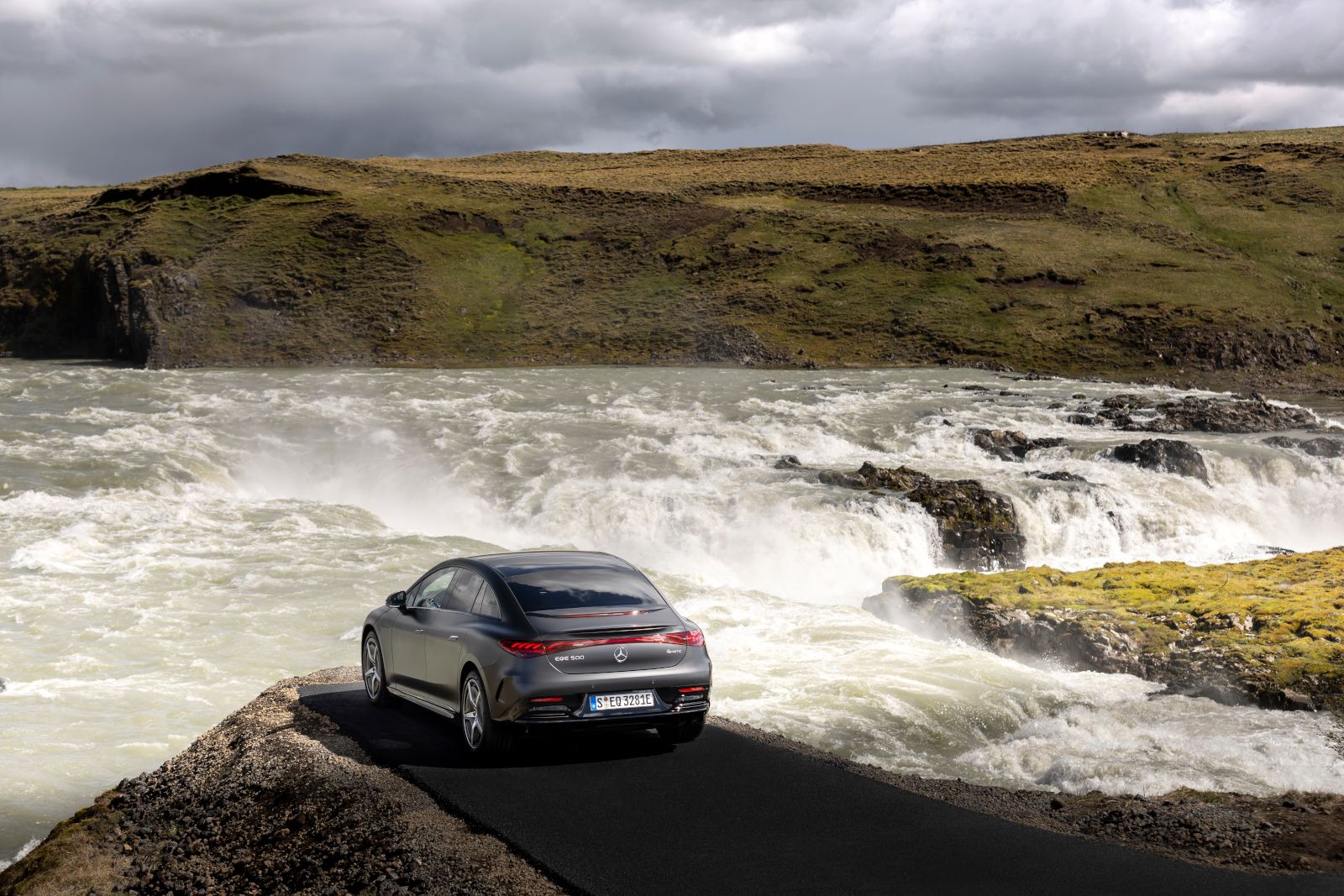
Automakers frequently release over-the-air software updates that improve battery conditioning, charging curves, range estimates, and winter performance. Make sure your vehicle's software is up to date by checking the settings menu or your brand's mobile app.
Connected services—like FordPass, myChevrolet, Hyundai Bluelink, myAudi, myVW, Mercedes me, and Toyota and Honda apps—allow you to monitor charge status, schedule preconditioning, locate nearby chargers, and sometimes view real-time charger availability. These tools make winter EV ownership more convenient and help you stay informed about your vehicle's status even when you're not behind the wheel.
Drive Confidently Through Ontario Winters
Electric vehicles are more than capable of handling Ontario's winter conditions when you understand how cold weather affects performance and take a few proactive steps. From preconditioning and proper tires to smart charging and route planning, these strategies will help you maximize range, maintain safety, and enjoy worry-free winter driving.
If you're considering an EV or want expert advice on winter driving with your current vehicle, our team at Humberview Group is here to help. Visit us in Toronto to learn more about the latest electric models and how they perform in real-world Canadian conditions.
Explore Hybrid & Electric Vehicles Built for Ontario Winters
Winter-ready driving starts with the right vehicle. Discover our selection of hybrid and electric models designed to deliver confidence, efficiency, and everyday comfort in cold-weather conditions.
Browse Hybrid & EV Inventory >
You might be interested in these blogs: