Leasing a new vehicle offers flexibility and lower monthly payments compared to financing, but one critical factor determines how affordable your lease will be: the residual value. This estimated future worth of the vehicle at lease-end plays a decisive role in shaping your monthly obligations and overall lease experience. Understanding how residuals work—and how they're calculated—can help you make smarter decisions and potentially save thousands over the term.
Whether you're evaluating a compact SUV, a luxury sedan, or an electric vehicle, residual values vary widely based on brand reputation, market demand, and expected depreciation. This guide breaks down the mechanics of lease residuals, explains how they influence your payments and buyout options, and highlights what's unique about leasing in Ontario and across Canada.
Explore New Vehicles at The Humberview Group
Choosing the right new vehicle is about long-term value, confidence, and fit. Explore The Humberview Group’s new vehicle inventory and find a model that makes sense for how you drive today and tomorrow.
Browse New Inventory >
What Is a Lease Residual Value?
A lease residual value represents the estimated worth of a vehicle at the end of your lease term, expressed as a percentage of the manufacturer's suggested retail price (MSRP). Leasing companies and manufacturers calculate this figure based on historical depreciation data, market trends, and the vehicle's expected condition after typical use.
For example, if a vehicle has an MSRP of $50,000 and a residual value of 55% after a 36-month lease, the leasing company estimates it will be worth $27,500 at lease-end. You essentially pay for the difference between the vehicle's initial value and its residual value, plus interest (called the money factor or lease rate) and applicable fees.
Higher residual values translate to lower monthly payments because you're financing a smaller portion of the vehicle's total cost. Vehicles with strong resale demand—such as popular SUVs, certain luxury brands, and well-regarded mainstream models—typically carry higher residuals. Conversely, models with weaker resale prospects or rapid depreciation result in lower residuals and higher monthly payments.
How Residual Values Are Determined
Manufacturers and leasing companies rely on sophisticated models to predict residual values, analyzing factors like:
- Brand Reputation: Brands known for reliability and longevity (for example, Toyota, Honda, and Subaru) often command higher residuals. Luxury brands like BMW and Mercedes-Benz can also maintain strong residuals due to desirability and advanced features. Note that programs and residuals change over time.
- Market Demand: Vehicles in high demand—compact SUVs, trucks, and electric vehicles—tend to depreciate more slowly. Models with niche appeal or declining popularity face steeper depreciation.
- Historical Depreciation: Past performance of similar models informs future estimates. A vehicle that held 60% of its value after three years historically is likely to receive a similar residual projection.
- Lease Term and Mileage: Shorter lease terms (24 or 36 months) and lower annual mileage allowances (such as 16,000 km per year) result in higher residuals. Longer terms and higher mileage reduce the vehicle's expected end-of-lease value.
- Trim and Equipment: Higher trims with premium features, advanced safety technology, and desirable powertrains often retain value better than base models.
Residual percentages are set at lease inception and remain fixed throughout the term, regardless of actual market fluctuations. This stability protects you from unexpected depreciation but also means you won't benefit if the vehicle holds its value better than projected.
The Impact of Residual Value on Monthly Payments
Your monthly lease payment is calculated using the following formula:
Monthly Payment = (Depreciation + Interest) ÷ Lease Term
Where:
- Depreciation = (MSRP − Residual Value)
- Interest = (MSRP + Residual Value) × Money Factor
The money factor (often expressed as a decimal, such as 0.00204) is an alternate way of expressing the interest rate on a lease and can be converted to an approximate APR by multiplying by 2,400. For example, a money factor of 0.00204 equals roughly 4.9% APR.
Let's illustrate with a fictional example:
Vehicle A: Compact SUV
- MSRP: $40,000
- Residual Value (36 months, 16,000 km/year): 58% = $23,200
- Depreciation: $40,000 − $23,200 = $16,800
- Money Factor: 0.00204 (4.9% APR)
- Interest: ($40,000 + $23,200) × 0.00204 = $129 per month
- Depreciation per Month: $16,800 ÷ 36 = $467
- Total Monthly Payment: $596 (before taxes and fees)
- With Ontario HST (13%): $673 per month
Vehicle B: Midsize Sedan
- MSRP: $40,000
- Residual Value (36 months, 16,000 km/year): 50% = $20,000
- Depreciation: $40,000 − $20,000 = $20,000
- Money Factor: 0.00204 (4.9% APR)
- Interest: ($40,000 + $20,000) × 0.00204 = $122 per month
- Depreciation per Month: $20,000 ÷ 36 = $556
- Total Monthly Payment: $678 (before taxes and fees)
- With Ontario HST (13%): $766 per month
Despite identical MSRPs and lease rates, Vehicle A costs $82 less per month due to its higher residual value. Over a 36-month lease, that's nearly $3,000 in savings—demonstrating why residual percentages matter as much as negotiated price or interest rate.
Lease-End Options and Residual Value
At lease-end, you typically have three options in most standard closed-end leases:
- Return the Vehicle: Walk away with no further obligation, provided you've stayed within mileage limits and the vehicle meets wear-and-tear standards as defined in your contract.
- Purchase the Vehicle: Buy the vehicle for the predetermined residual value plus applicable fees and taxes (including HST on the residual amount in Ontario). This can be advantageous if the vehicle's actual market value exceeds the residual.
- Lease or Finance Another Vehicle: Trade in your leased vehicle (if it has equity) or start a new lease or finance agreement.
If market conditions shift and your vehicle's actual value at lease-end is higher than the residual, you gain equity. For example, if your residual is $25,000 but the vehicle's market value is $28,000, you could purchase it and resell it for a $3,000 profit (minus transaction costs). Conversely, if the market value falls below the residual, you're generally protected in a standard closed-end lease—you can return the vehicle, subject to any excess wear, mileage, or contract-specific conditions.
This built-in protection makes leasing attractive during periods of economic uncertainty or rapid technological change, such as the transition to electric vehicles. Leasing can be especially appealing for EV shoppers who want to avoid long-term technology risk.
Leasing Considerations Specific to Ontario and Canada
Leasing in Ontario and across Canada involves unique regulatory and market factors.
Sales Tax (HST)
In Ontario, the 13% Harmonized Sales Tax (HST) applies to lease payments rather than the full vehicle price upfront. This reduces initial cash outlay compared to financing, where HST is typically paid at purchase. However, over the lease term, you pay HST on each monthly payment, which adds up. If you choose to buy the vehicle at lease-end, HST is also payable on the residual amount. Other provinces structure sales tax differently—Quebec uses GST plus QST, while Alberta has no provincial sales tax.
Kilometre Limits
Canadian leases typically offer annual mileage allowances of 16,000 km, 20,000 km, or 24,000 km. Exceeding your limit incurs per-kilometre charges (often $0.10 to $0.20 per km), which can be costly. Drivers with long commutes or frequent road trips should negotiate higher mileage allowances upfront, though this will lower the residual and increase monthly payments.
Winter Driving and Wear-and-Tear
Ontario's harsh winters can accelerate wear on paint, undercarriage, and mechanical components. Lease agreements define "normal wear-and-tear," but excessive rust, dents, or interior damage can result in end-of-lease charges. Regular maintenance, winter tire use, and protective treatments (such as undercoating) help preserve the vehicle's condition.
Manufacturer Incentives
Manufacturers often subsidize lease residuals to make monthly payments more competitive. These "subvented" leases artificially inflate residuals, lowering your payment. This benefits short-term affordability, but it can limit flexibility if you want to buy out early or trade in mid-term. At scheduled lease-end, you're still free to walk away if the vehicle is worth less than the residual.
Regional Market Conditions
Vehicles sold in Canada are priced in Canadian dollars, and lease calculations reflect domestic market conditions. Residual percentages can differ from U.S. leases due to exchange rates, import duties, and regional demand.
Comparing Lease Rates and Residuals Across Segments
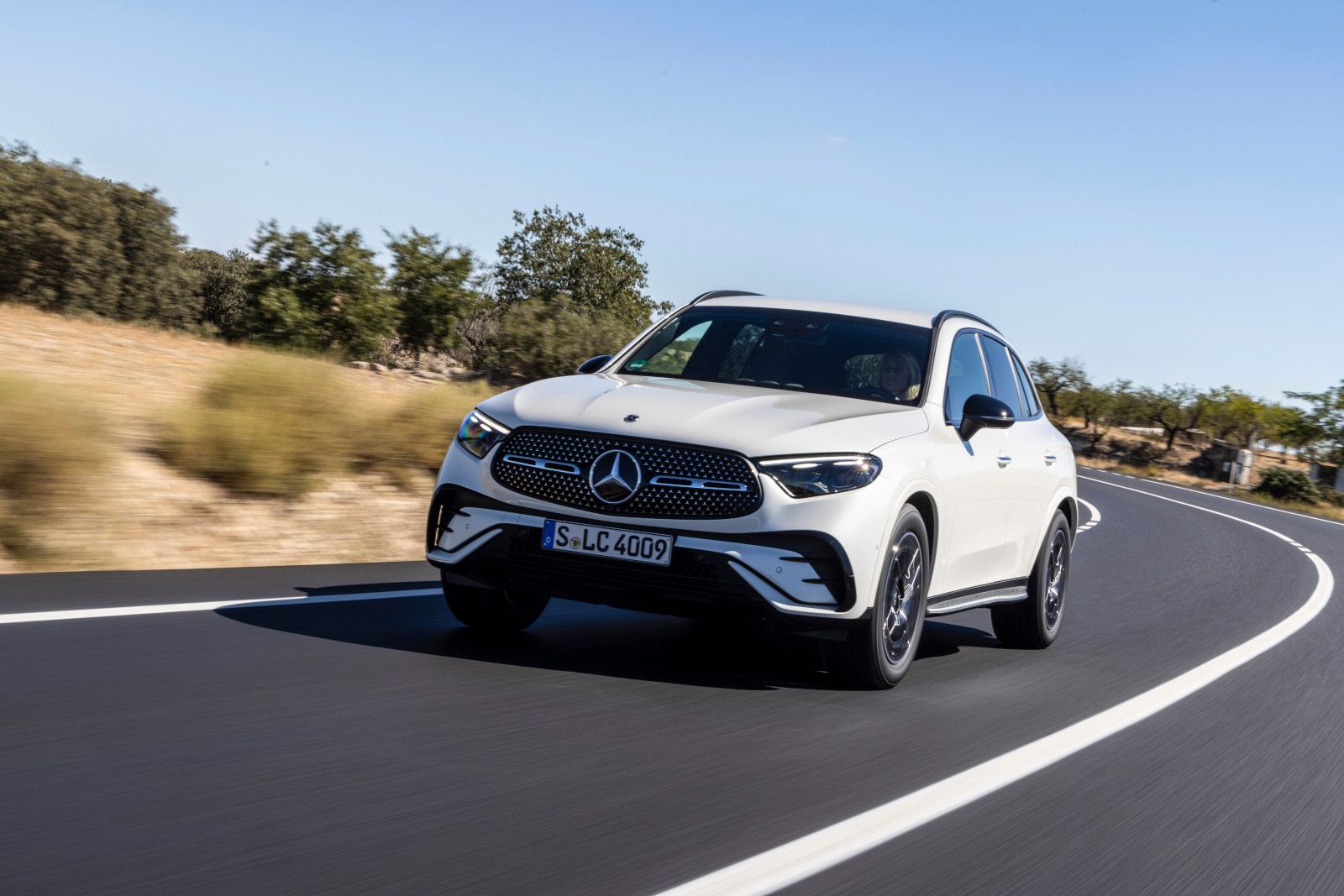
Residual values and lease rates vary significantly by vehicle segment. Here's a general overview using fictional examples based on a $40,000 MSRP:
|
Segment
|
Typical Residual (36 months)
|
Typical Lease Rate (APR)
|
Monthly Payment
|
|
Compact SUV
|
55–60%
|
4.9–5.9%
|
$580–$640
|
|
Midsize Sedan
|
48–52%
|
4.9–5.9%
|
$660–$720
|
|
Luxury SUV
|
52–58%
|
5.9–6.9%
|
$700–$800
|
|
Electric Vehicle
|
50–55%
|
4.9–5.9%
|
$620–$700
|
Compact SUVs and trucks often deliver the best lease value due to strong demand and higher residuals. Sedans, facing declining popularity, typically carry lower residuals. Luxury vehicles vary widely—brands with strong resale histories (for example, Lexus or Porsche) maintain higher residuals, while others depreciate more quickly.
Electric vehicles present a unique case. Rapid advancements in battery technology and range can accelerate depreciation for older models, leading to conservative residuals. However, government incentives and growing demand are improving EV residuals over time.
Tips for Maximizing Lease Value
To secure the best lease terms and protect yourself from unexpected costs:
- Negotiate the Sale Price: Residuals are calculated as a percentage of MSRP, but you can negotiate the "capitalized cost" (the price you're leasing). Lowering this figure reduces your depreciation and monthly payment.
- Choose High-Residual Vehicles: Research models with strong resale value. Brands like Toyota, Honda, Subaru, and certain luxury marques consistently deliver higher residuals, though programs change over time.
- Match Mileage to Your Needs: Underestimating annual mileage leads to costly overages. Overestimating lowers residuals and raises payments. Be realistic about your driving habits.
- Understand Money Factors: Lease rates are often negotiable. A difference of 0.5% APR (such as 4.9% vs. 5.4%) can save $10–$20 per month, or $360–$720 over 36 months.
- Maintain the Vehicle: Regular servicing, prompt repairs, and protective measures (winter tires, paint protection) preserve condition and minimize end-of-lease charges.
- Review Lease-End Terms: Understand wear-and-tear standards, mileage penalties, and buyout procedures before signing. Some manufacturers offer lease-end protection plans that waive minor damage fees.
When Leasing Makes Sense
Leasing is ideal for drivers who:
- Prefer driving a new vehicle every few years
- Want lower monthly payments than financing
- Drive predictable, moderate distances annually
- Value warranty coverage and want to avoid major repair costs
- Operate a business and can deduct lease payments
Leasing is less suitable for drivers who:
- Exceed typical mileage limits
- Prefer long-term ownership and eventual equity
- Customize or modify their vehicles
- Face unpredictable financial situations (early termination penalties can be severe)
Explore Your Lease Options
Understanding lease residuals empowers you to evaluate offers critically, compare vehicles effectively, and choose the lease that best fits your budget and lifestyle. Whether you prioritize low monthly payments, long-term value, or specific features, residual value is a key variable in the equation.
If you're comparing lease offers on different models, our team can show you how residuals affect your payment and buyout. Contact us to explore current lease offers and find the vehicle that meets your needs.
Explore New Vehicles at The Humberview Group
Choosing the right new vehicle is about long-term value, confidence, and fit. Explore The Humberview Group’s new vehicle inventory and find a model that makes sense for how you drive today and tomorrow.
Browse New Inventory >
You might be interested in these blogs: