Ontario roads are notorious for potholes, freeze-thaw cycles, and construction debris. For drivers navigating these conditions daily, tire and wheel damage is not a question of if, but when. Tire and wheel protection plans have become a popular optional product at dealerships, promising coverage for road hazard damage without the hassle of insurance claims or out-of-pocket expenses. But is this protection worth the upfront cost, or are you better off self-insuring?
This guide explains what tire and wheel protection covers, how it works at Ontario dealerships, and when it makes sense to add it to your purchase or lease agreement. From Chevrolet Silverado trucks with 20-inch wheels to Toyota RAV4 commuters, understanding the value proposition helps you make an informed decision.
Explore Our New Vehicle Inventory
Buying a new vehicle is about more than upgrading your drive, it’s about starting fresh with confidence. At The Humberview Group, our wide selection and experienced team make the process clear, comfortable, and easy from start to finish.
Shop New Inventory >
What Is Tire and Wheel Protection?
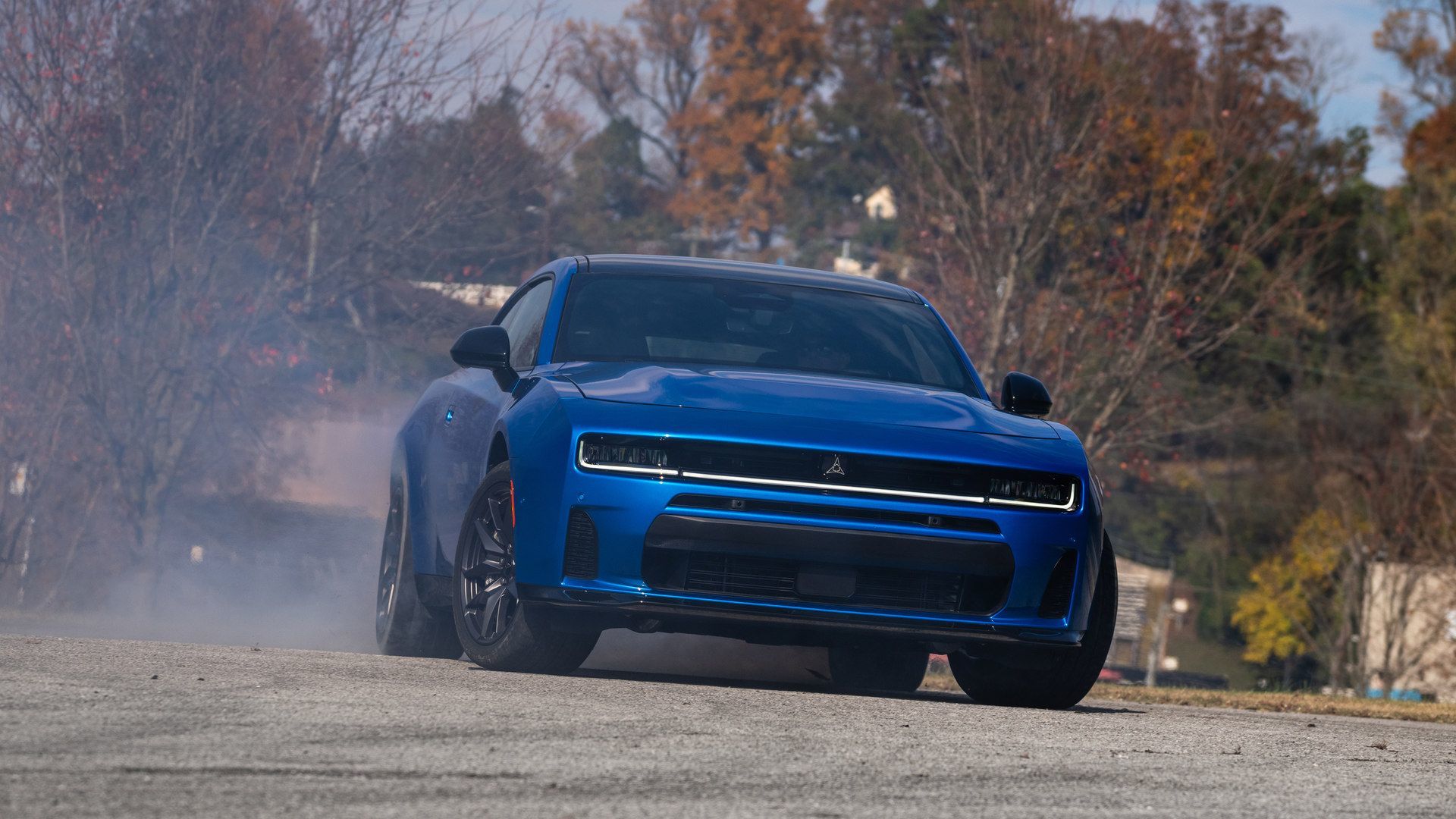
Tire and wheel protection is an optional plan that covers the cost to repair or replace tires and rims damaged by everyday road hazards like potholes, nails, broken glass, and debris. Coverage typically includes mounting, balancing, valve stems, TPMS sensor work, environmental fees, and taxes. Plans are sold at the time of vehicle purchase and run for a set term, often between one and eight years depending on the provider.
This protection is separate from manufacturer warranties, which cover defects in materials and workmanship but not road hazard damage. It also differs from standard auto insurance, which usually requires a comprehensive claim with a deductible and potential premium impact for tire and wheel repairs. Tire and wheel protection allows you to avoid those complications entirely.
Most plans define "road hazard" as sudden, accidental damage caused by objects on or in the road surface. Typical exclusions include normal wear, alignment issues, damage from abuse (burnouts, overloading, under-inflation), cosmetic-only curb rash (unless you purchase a cosmetic upgrade), and modifications like lifted suspensions or oversized wheels.
How Plans Work at Ontario Dealerships
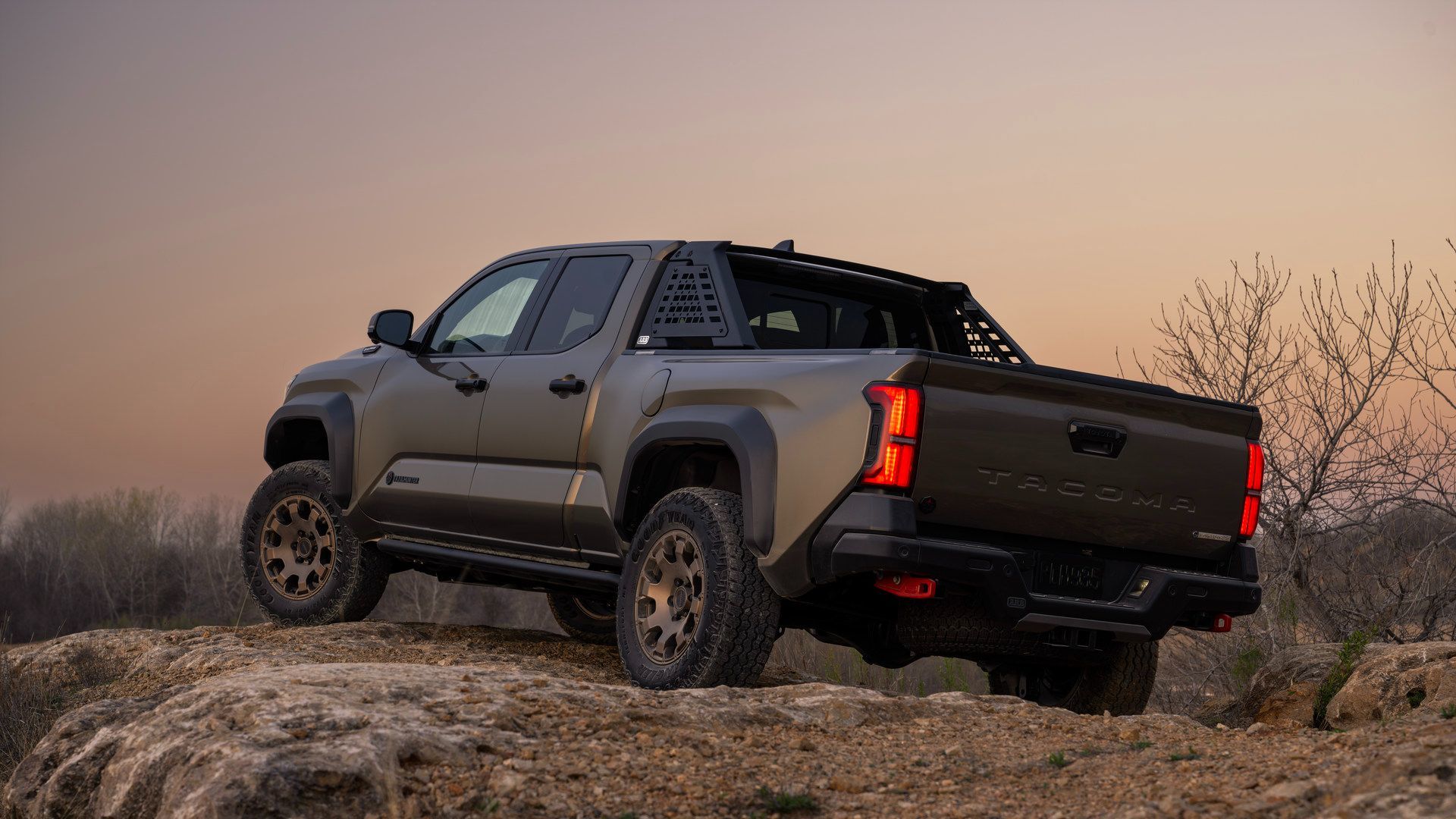
Tire and wheel protection is available across nearly every brand, either as an OEM-branded product or through third-party providers. Plans can be purchased on new, used, and leased vehicles, and many cover both original equipment and dealer-installed replacement tires and wheels for the duration of the term.
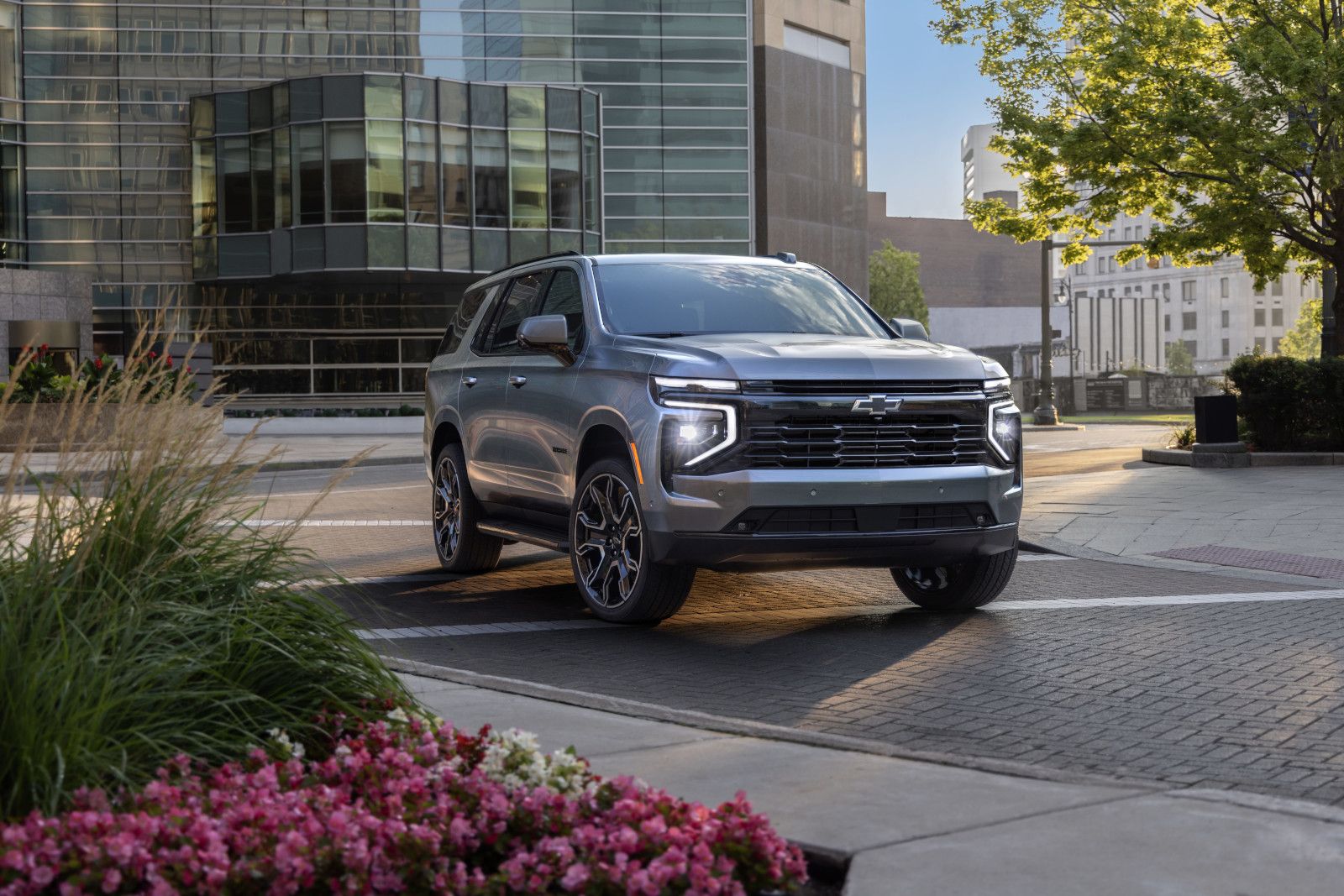
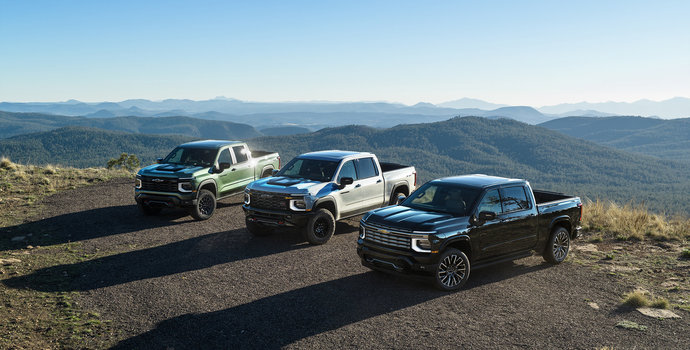
GM (Chevrolet, Buick, GMC): GM Tire Protection plans offer multiple tiers, including Tire Only, Tire & Wheel, and Tire, Wheel & Cosmetic. Coverage includes repair or replacement of tires and alloy or chrome wheels damaged by road hazards, with some tiers adding cosmetic wheel repair and roadside assistance.
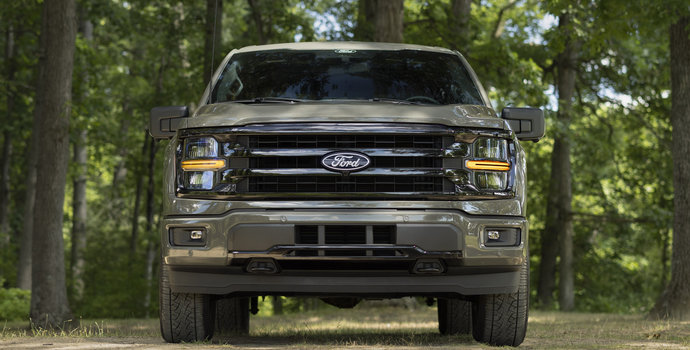
Ford and Lincoln: Ford's Tire and Rim Protection Plan covers all tires and wheels purchased and installed during the plan period, including winter tires. Coverage includes mounting, balancing, valve stems, and TPMS-related work, with terms available up to eight years.
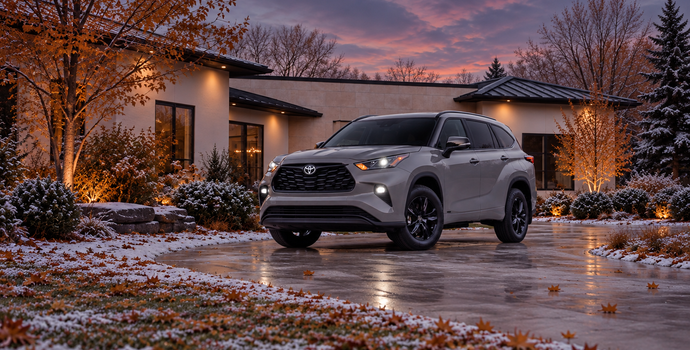
Toyota: Toyota Extra Care Protection (ECP) Tire & Rim Road Hazard Protection in Ontario covers original and replacement tires and rims, including summer, winter, and all-season tires purchased and installed at a Toyota dealer. Terms range from one to seven years, with no deductible in many cases. ECP is transferable to subsequent owners, which can enhance resale value.
Mercedes-Benz: First Class Protection Plan tire and rim coverage includes replacement of tires or rims damaged by road hazards such as glass, metal, potholes, debris, and nails. Coverage extends to run-flat tires and includes cosmetic rim repair when tied to a tire claim, along with associated taxes, labour, fees, and towing reimbursement.
Similar plans are available for Audi, Volkswagen, Hyundai, Honda, Dodge, Chrysler, Jeep, and Ram, either through OEM programs or third-party providers like First Canadian or Global Protection Plan. Regardless of brand, most dealer-sold plans share common features: coverage for both factory and dealer-installed winter tires, multiple term options, and transferability on resale. You can find more information by contacting your local dealership.
Ontario Consumer Rules and What to Ask at the Dealership
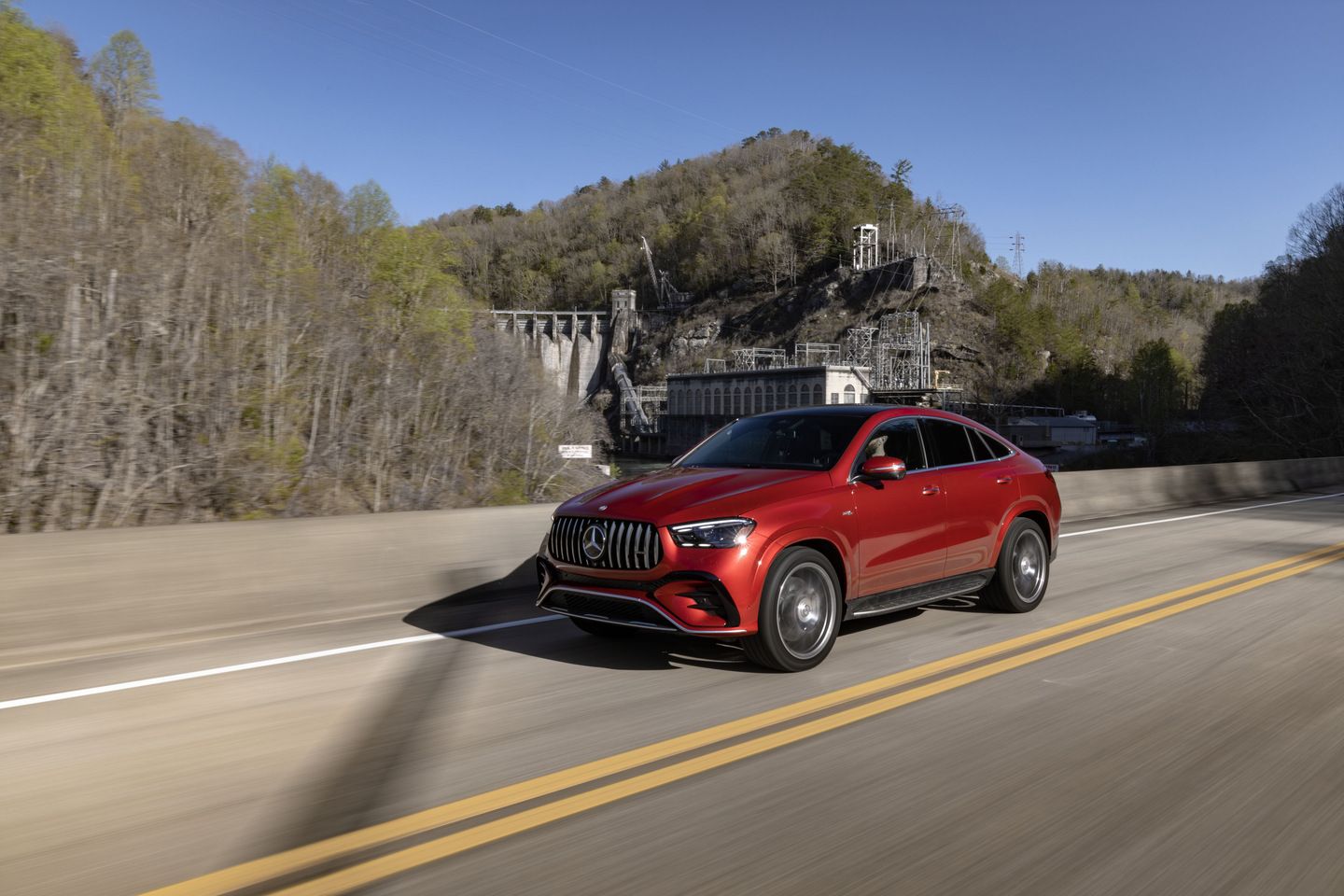
In Ontario, OMVIC's all-in pricing rule requires that advertised vehicle prices include all fees the dealer intends to charge, except HST and licensing. Tire and wheel protection is an optional product, not a mandatory fee, and must be itemized and disclosed separately with its cost and term before you agree to purchase.
Before adding tire and wheel protection to your contract, ask for:
- The full price of the plan and the term length
- Claim limits (per claim and cumulative total)
- Whether there is a deductible
- What is excluded (cosmetic-only damage, track use, off-road use, commercial use surcharges, aftermarket wheels)
- Whether coverage is transferable to the next owner
Ontario drivers face frequent potholes and freeze-thaw cycles that increase the risk of sidewall bulges, blowouts, and bent rims. Low-profile performance tires and large alloy wheels are particularly vulnerable. Many Canadian-market tire protection providers position their products specifically as protection against these conditions, making them a practical consideration for drivers who navigate rough roads daily.
Is Tire and Wheel Protection Worth It for You?
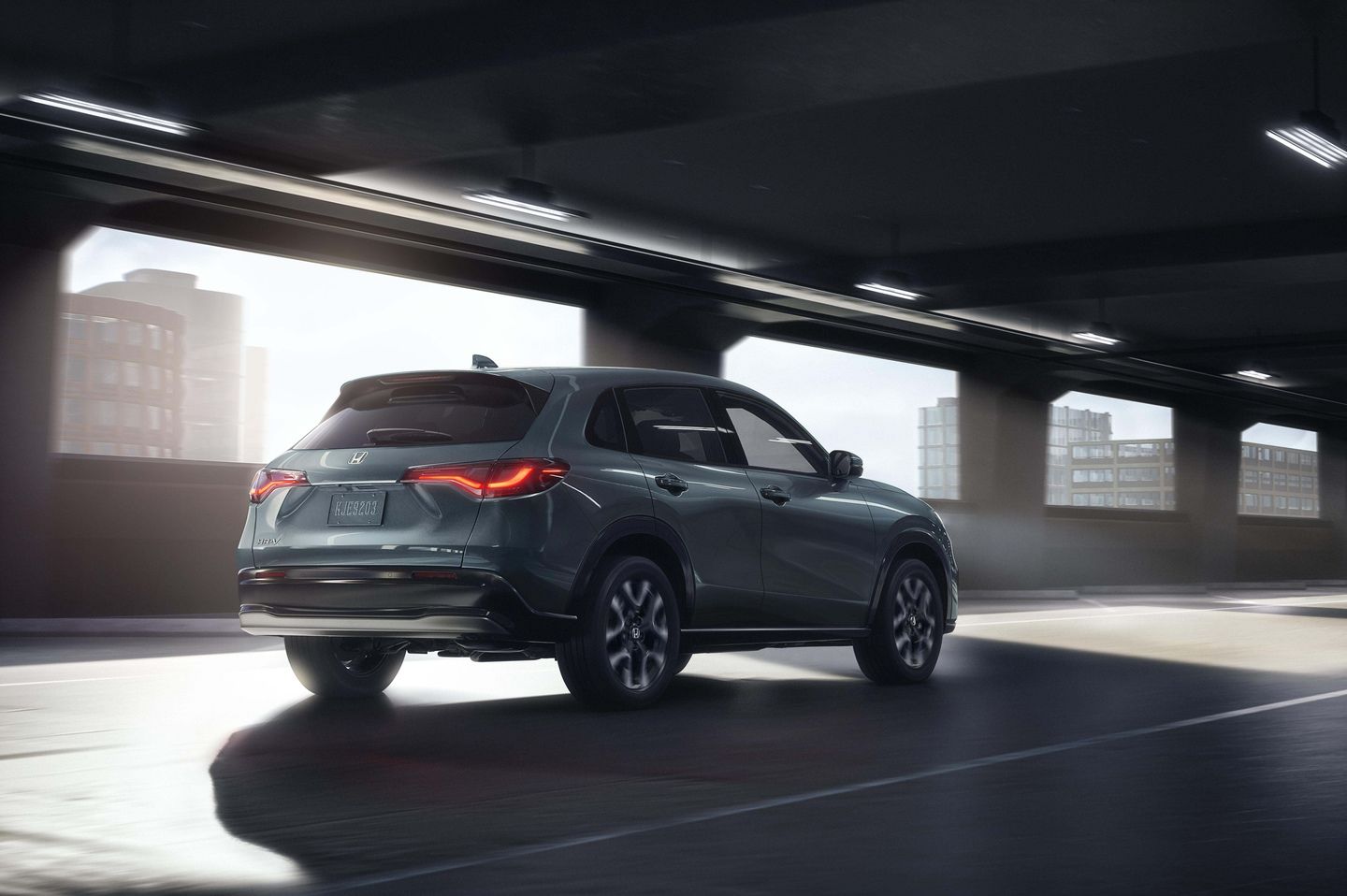
The value of tire and wheel protection depends on your driving habits, vehicle type, and risk tolerance. Here is a breakdown of potential advantages and drawbacks.
Potential Advantages:
- Can pay for itself with one or two major incidents, since a single premium tire and alloy wheel replacement with mounting, balancing, and taxes can cost several hundred dollars
- May cover all sets used during the term (summer and winter) if purchased and installed at the dealer, which is relevant for Ontario drivers who almost always run winter tires
- Avoids making small comprehensive insurance claims that might carry a deductible and affect premiums, since tire and wheel claims go through the protection plan instead
- Transferable coverage can enhance resale value, as demonstrated by programs like Toyota ECP
Potential Drawbacks:
- Upfront cost can be significant relative to the likelihood of needing it, and not every driver will use the plan
- Plans often exclude cosmetic-only damage (curb rash) unless you buy a cosmetic package, and may exclude aftermarket or oversized wheels, off-road use, commercial use, or vehicles with modifications
- Coverage is limited to road hazards, so slow wear, alignment issues, and abuse (burnouts, overloading, under-inflation) are typically not covered
When Tire and Wheel Protection Makes Sense
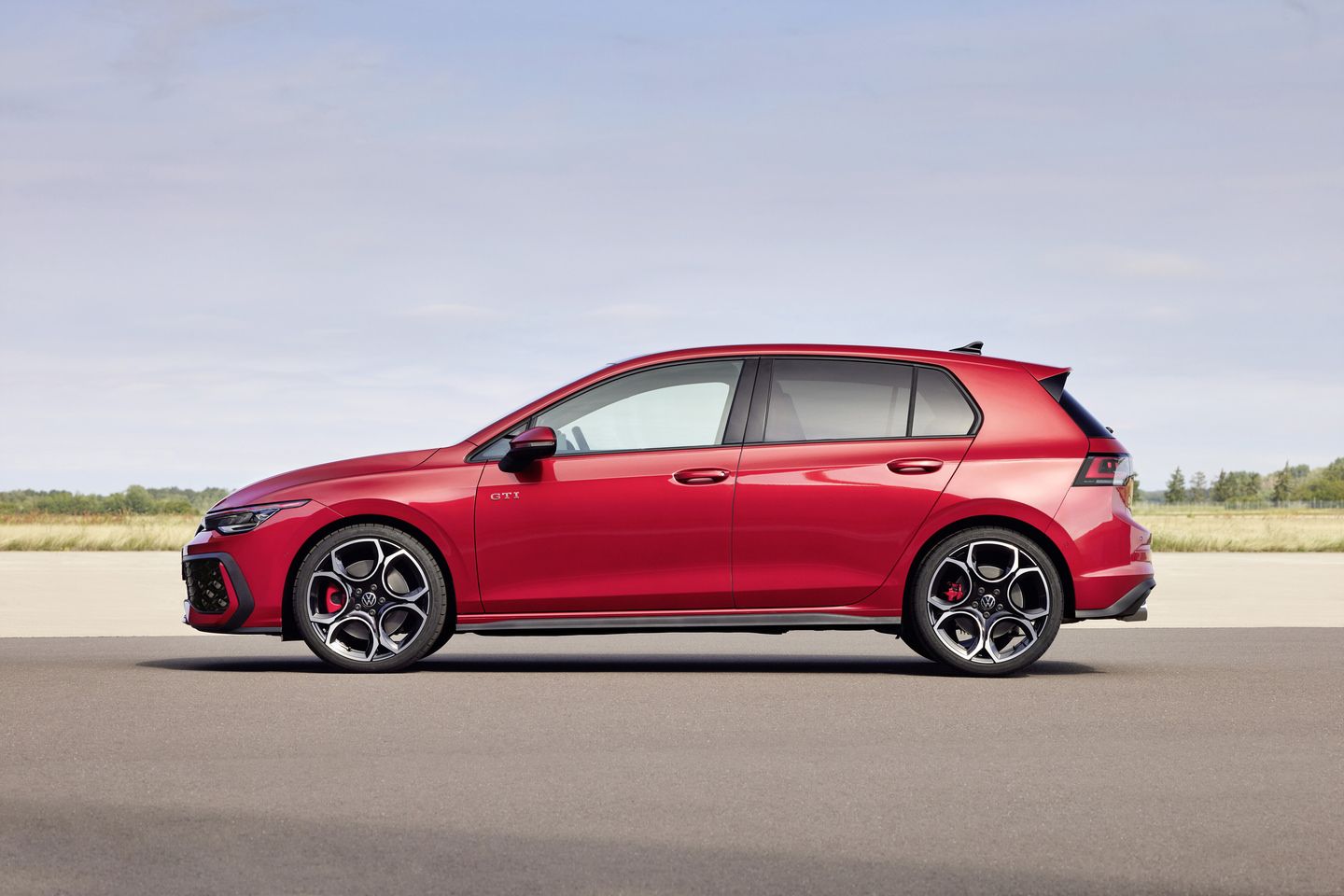
Tire and wheel protection is more likely to be worth the investment if you drive a vehicle with low-profile performance tires and large alloy wheels. Vehicles like the Audi Q5, Mercedes-Benz GLE, Volkswagen Golf GTI, and Ford Mustang typically come with 18-inch to 20-inch wheels and tires that are expensive to replace. A single pothole can cause a bent rim or sidewall blowout, and the cost to repair or replace these components can easily exceed the price of the protection plan.
Protection also makes sense for drivers who commute daily on rough roads or live in areas with severe potholes. If you plan to keep the vehicle for most of the plan term and will buy winter tires through the dealer, the coverage becomes even more valuable, as it can extend to multiple sets of tires over the life of the contract.
On the other hand, tire and wheel protection is less likely to be worth it for vehicles with higher-profile, relatively inexpensive tires and steel wheels. Compact cars like the Chevrolet Trax or Toyota Corolla often come with 16-inch or 17-inch wheels and tires that are less expensive to replace. Low-annual-mileage drivers or those who are comfortable self-insuring (setting money aside for possible repairs) may also prefer to skip the coverage.
Learn More at Humberview Group
Tire and wheel protection is a practical consideration for Ontario drivers navigating unpredictable road conditions. The decision depends on your vehicle type, driving habits, and risk tolerance. If you drive a vehicle with large alloy wheels and performance tires, or if you frequently encounter potholes and construction debris, the coverage can provide valuable financial protection. To consult with our expert service team, contact your local Humberview Group dealership.
Explore Our New Vehicle Inventory
Buying a new vehicle is about more than upgrading your drive, it’s about starting fresh with confidence. At The Humberview Group, our wide selection and experienced team make the process clear, comfortable, and easy from start to finish.
Shop New Inventory >
You might be interested in these blogs: