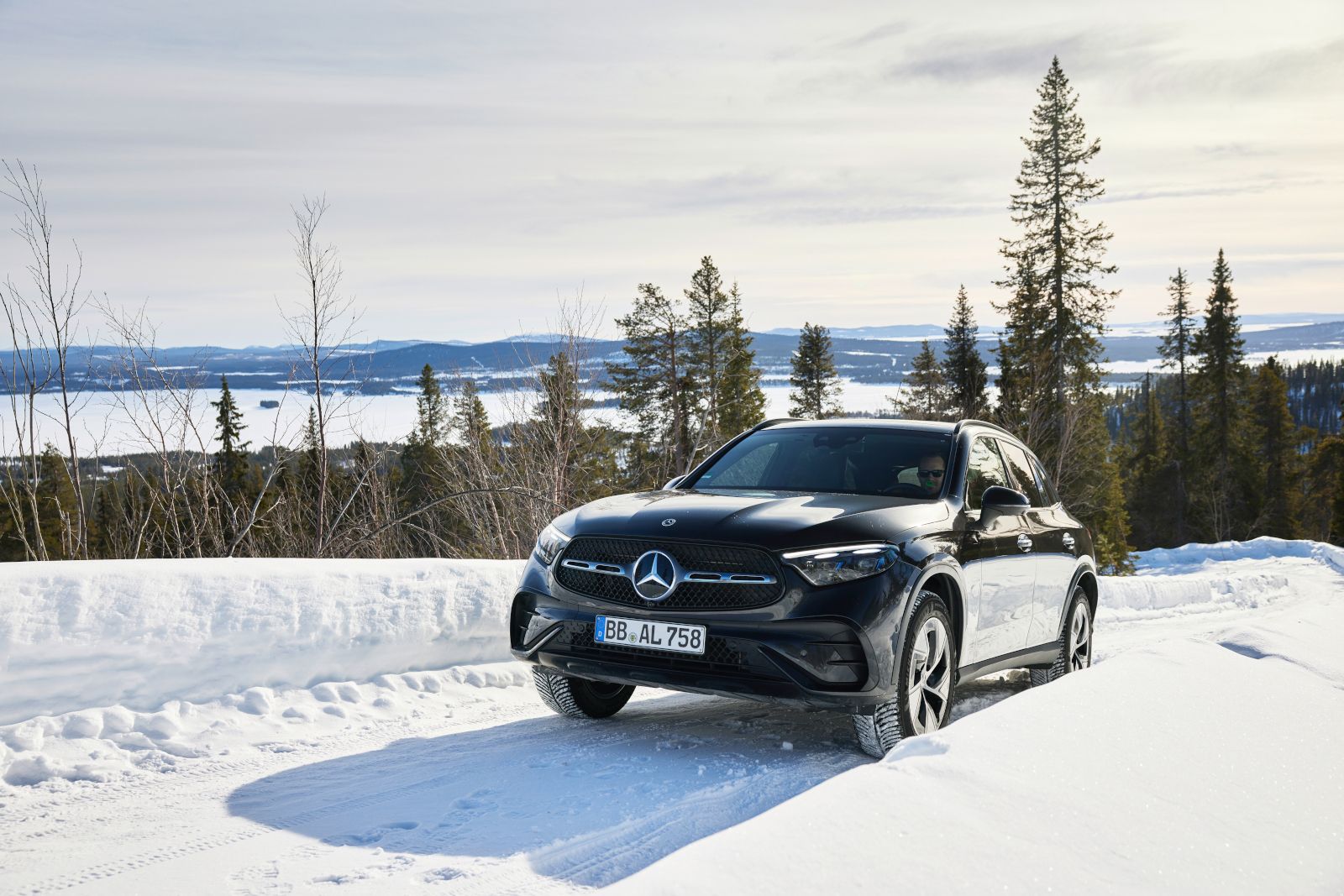
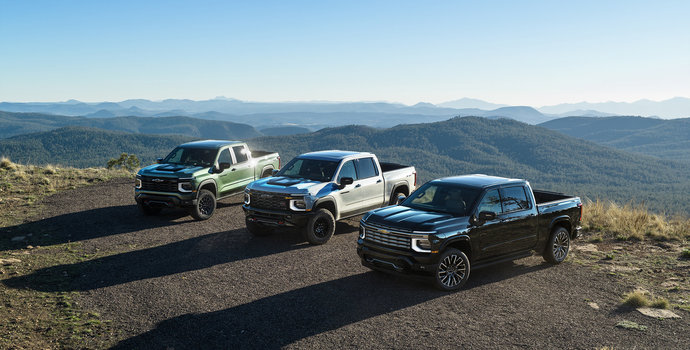
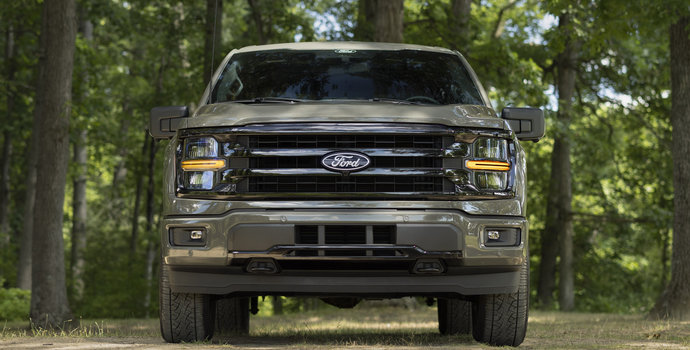
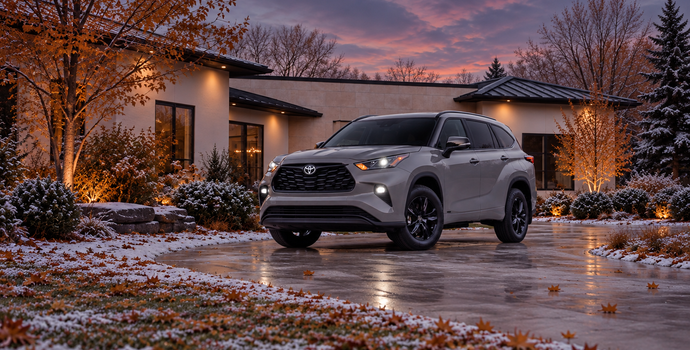
When winter arrives in Ontario, the conversation inevitably turns to all-wheel drive. But with so many different AWD systems on the market—each with its own marketing name and technical approach—how do you know which one actually suits your needs?
The truth is, not all AWD systems work the same way. Some are designed for fuel efficiency and everyday commuting, while others prioritize performance or off-road capability. Understanding these differences helps you make a smarter choice for Ontario's variable weather conditions, from freezing rain on the 401 to unplowed cottage roads in Muskoka.
Find an AWD Vehicle Built for Ontario Roads
Understanding AWD is the first step. Choosing the right vehicle is the next. Explore our selection of all-wheel-drive models designed to deliver added confidence, traction, and control in changing road conditions across Ontario.
Browse AWD Inventory >
On-Demand AWD: Efficiency Meets Practicality
On-demand AWD systems operate in front-wheel drive most of the time and automatically engage the rear wheels when sensors detect slip or predict low-traction conditions. This approach saves fuel during normal driving while providing extra grip when you need it.
How It Works:
The system monitors wheel speed, throttle position, and steering angle. When conditions change—like hitting a patch of black ice or accelerating on a snowy hill—power is automatically routed to the rear axle within milliseconds.
Available On:
- Toyota Dynamic Torque Control AWD on RAV4 and Highlander models uses predictive logic to engage the rear wheels before slip occurs, with upper trims adding a rear driveline disconnect for improved highway efficiency
- Hyundai HTRAC AWD on Tucson and Santa Fe constantly adjusts torque distribution and includes Snow, Mud, and Sand modes that recalibrate hundreds of times per second
- Honda Real Time AWD with Intelligent Control System on CR-V and HR-V blends rear torque proactively rather than waiting for wheelspin
- Ford Intelligent AWD on Escape and other crossovers can disconnect the rear driveline entirely when AWD isn't needed
- Volkswagen 4MOTION on Taos, Tiguan, and Atlas models pairs on-demand engagement with driving profile selection
Best For: Daily commuters in Toronto, Hamilton, or Ottawa who face mixed winter conditions but prioritize fuel economy. These systems handle snowy mornings and slushy highways without the fuel penalty of permanent AWD.
Torque-Vectoring AWD: Performance Meets Safety
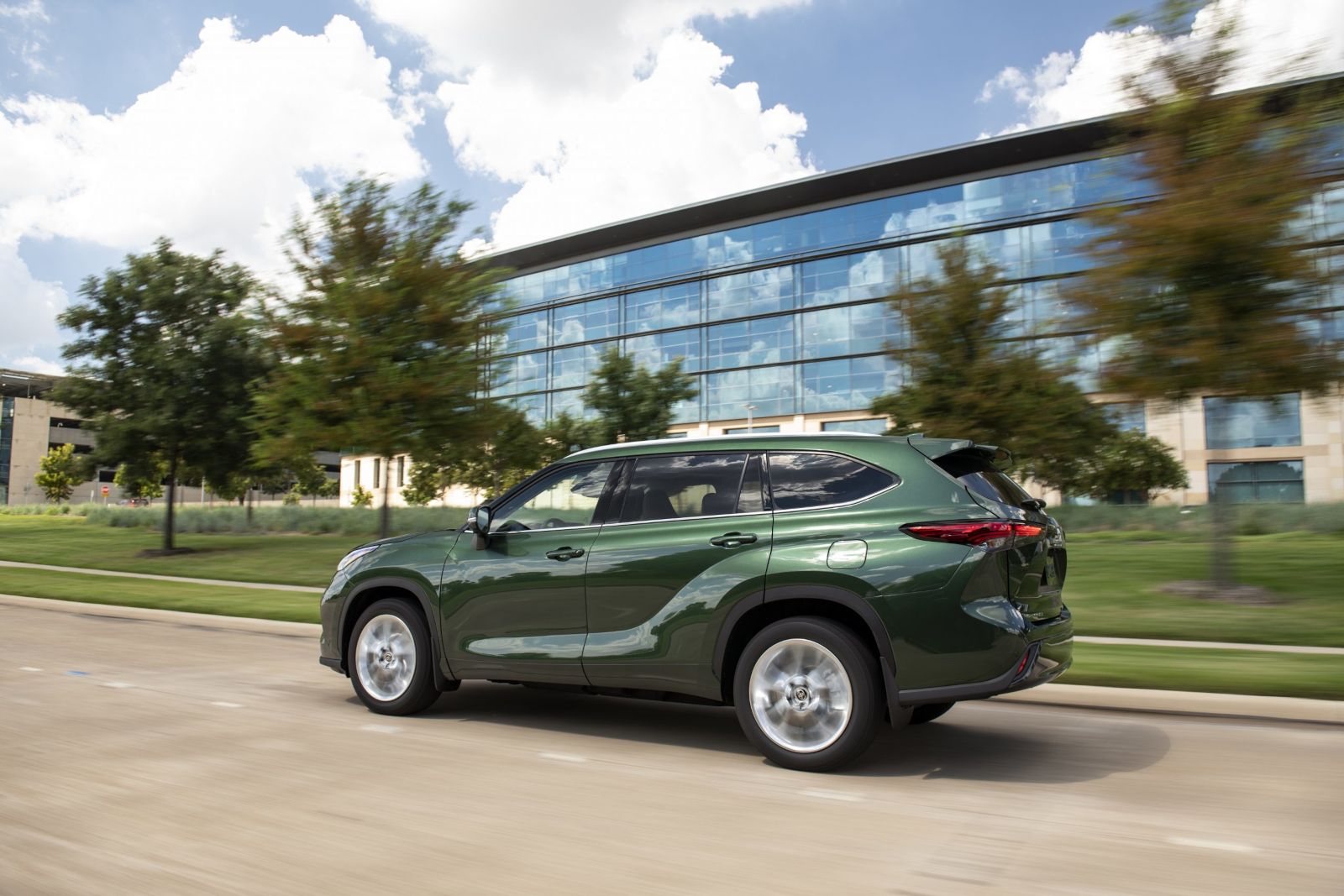
Advanced on-demand systems take things further by controlling how much power goes to each individual rear wheel. This torque-vectoring capability improves cornering stability and traction in ways traditional AWD cannot match.
How It Works:
Twin-clutch or electronically controlled differentials at the rear axle can send different amounts of torque to the left and right wheels independently. In a snowy corner, the system can send more power to the outside rear wheel to help rotate the vehicle and reduce understeer.
Available On:
- Toyota Dynamic Torque Vectoring AWD on RAV4 Trail and Limited trims, plus Highlander XSE and upper models, actively distributes torque side-to-side at the rear
- GM twin-clutch AWD on Chevrolet Blazer RS, Traverse Z71, and Buick Enclave can direct all available rear torque to a single wheel for maximum grip
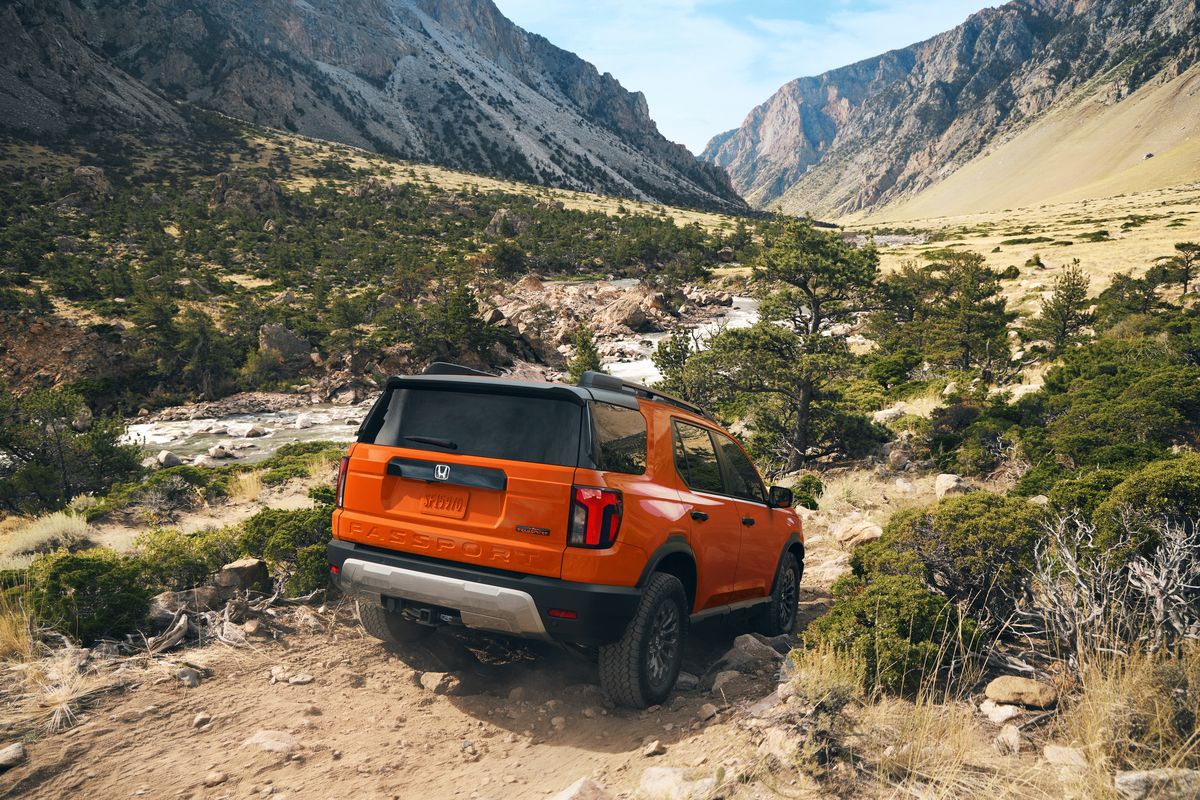
- Honda i-VTM4 on Passport, Pilot, and Ridgeline distributes torque independently to each rear wheel and includes terrain modes for off-pavement driving
- Acura SH-AWD overdrives the rear axle by 2.7% and can send up to 100% of rear torque to either wheel, creating a yaw moment that helps the vehicle turn more naturally
Best For: Drivers who want confident handling on winding cottage roads or those who frequently tow trailers. The added control in corners makes these systems feel more planted and predictable on slippery surfaces.
Full-Time AWD: Always Engaged, Always Ready
Full-time AWD systems send power to all four wheels continuously, rather than waiting for slip to occur. This approach maximizes available traction from the start and eliminates any delay in engagement.
How It Works:
Power is always distributed to both axles, though the front-to-rear split can vary depending on driving conditions. Some systems maintain a fixed 50/50 split, while others adjust dynamically based on wheel speed and traction needs.
Available On:
- Subaru Symmetrical Full-Time AWD uses a longitudinally mounted engine and transmission for balanced weight distribution, with different systems tuned for CVT-equipped models (Active Torque Split AWD with 60/40 default split) and performance models like WRX (Variable Torque Distribution AWD with 45/55 rear-biased split)
- Mercedes-Benz 4MATIC is fully integrated and continuously variable, reacting instantly to changing conditions across the GLA, GLB, GLE, and other SUV models
- Audi quattro on performance-oriented models maintains permanent AWD with a mechanical centre differential, though newer "quattro with ultra" systems on A4, A5, Q5, and Q7 run in front-wheel drive by default and reconnect the rear axle in under 250 milliseconds when needed
Best For: Drivers in snowbelt regions like Barrie or North Bay who face frequent winter storms. Full-time systems eliminate any lag in response, which matters when conditions change suddenly on rural highways or during lake-effect snow events.
Electrified AWD: Electric Motors Change the Game
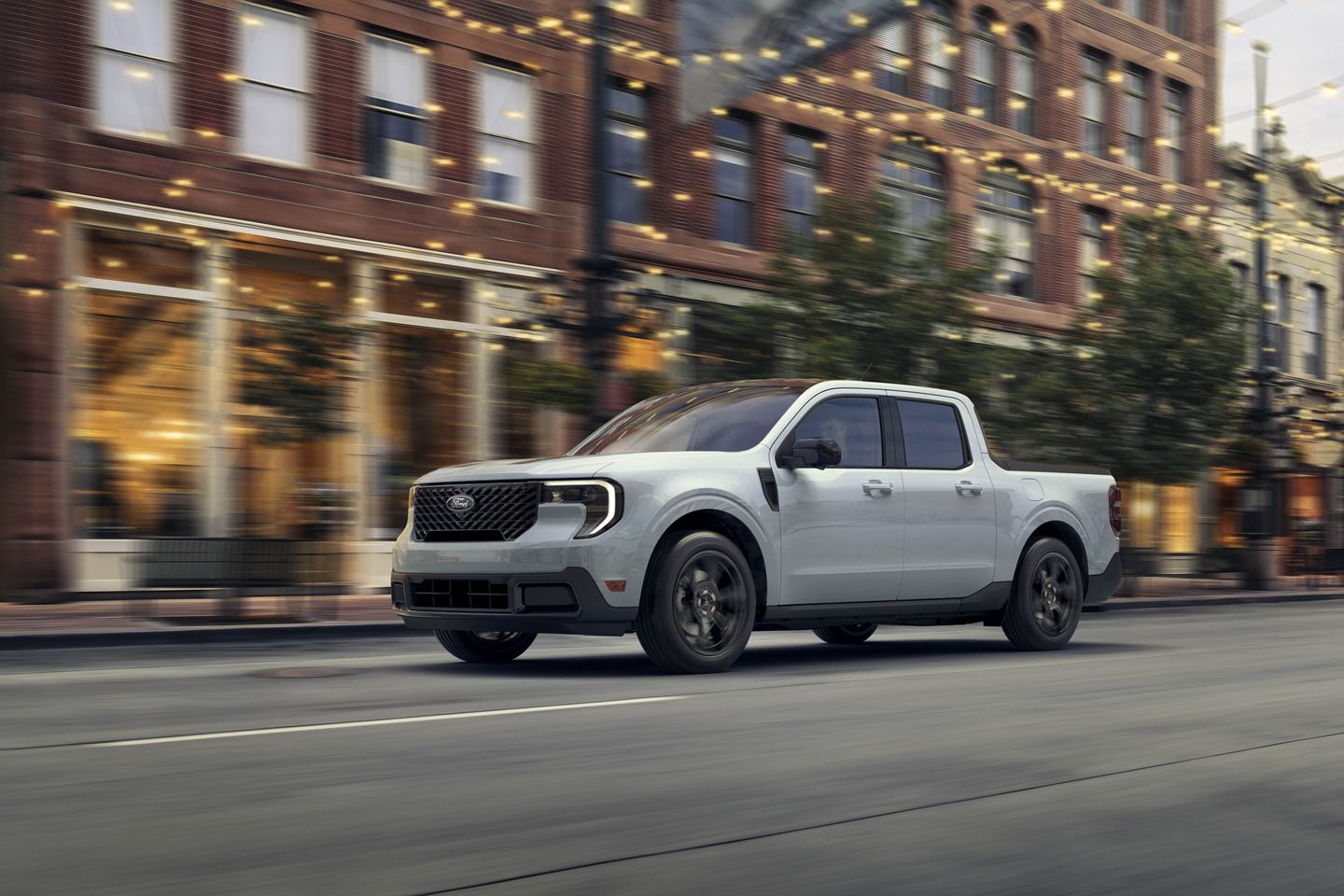
Hybrid and plug-in hybrid vehicles often use a different approach: a gasoline engine drives one axle while electric motors power the other. This setup delivers instant torque and seamless AWD functionality without a traditional driveshaft.
How It Works:
The electric motor at the rear axle responds instantly to throttle input, providing immediate traction before the gas engine even needs to adjust. The system can operate in electric-only mode at low speeds or combine both power sources for maximum grip.
Available On:
- Toyota Electronic On-Demand AWD on RAV4 Hybrid and other Toyota hybrids uses dedicated electric motors at the rear axle, allowing up to a 50/50 front-rear torque split
- Hyundai hybrid HTRAC on Tucson and Santa Fe maintains full AWD capability while adding electric torque for improved efficiency
- Mercedes-Benz 4MATIC on plug-in hybrids like the GLE 450e and EQE SUV combines electric motors with traditional AWD for seamless power delivery
- Ford Maverick Hybrid AWD brings electric-assisted AWD to the compact truck segment in Canada
Best For: Buyers who want lower fuel consumption without sacrificing all-weather capability. These systems work particularly well for city driving with occasional highway trips to ski hills or cottage country.
Part-Time 4×4: Built for Serious Off-Road Work
Traditional part-time 4×4 systems, common on trucks and rugged SUVs, require driver input to engage four-wheel drive. These systems are designed for maximum capability in extreme conditions but have specific usage limitations.
How It Works:
The driver selects between 2H (rear-wheel drive), 4H (four-wheel drive high range), and 4L (four-wheel drive low range with gear reduction). Part-time systems should not be used in 4H on dry pavement because the front and rear axles are locked together, which causes binding in turns.
Available On:
- Jeep Command-Trac on Wrangler provides traditional part-time 4×4 with manual engagement
- Jeep Selec-Trac on Grand Cherokee and Wrangler allows full-time 4×4 operation that can stay engaged on all surfaces
- Jeep Active Drive I and II on Compass and Cherokee use on-demand AWD with disconnecting rear axles and Selec-Terrain modes
- RAM and Ford F-150 models with "4A" or automatic 4×4 modes behave more like full-time AWD and can stay engaged on mixed-traction roads
Best For: Drivers who regularly tow heavy trailers, venture onto unmaintained trails, or need maximum ground clearance and capability for recreational off-roading.
Key Takeaways: Matching AWD Systems to Ontario Driving
|
System Type
|
Best Use Case
|
Example Brands
|
|
On-Demand AWD
|
Daily commuting, highway driving, light winter conditions
|
Toyota, Honda, Hyundai, Ford, Volkswagen
|
|
Torque-Vectoring AWD
|
Spirited driving, towing, frequent cottage trips
|
GM, Acura, Honda i-VTM4, Toyota upper trims
|
|
Full-Time AWD
|
Snowbelt regions, rural highways, maximum winter confidence
|
Subaru, Mercedes-Benz, Audi quattro
|
|
Electrified AWD
|
Fuel efficiency with all-weather capability
|
Toyota Hybrid, Hyundai Hybrid, Mercedes PHEV
|
|
Part-Time 4×4
|
Off-roading, heavy towing, extreme conditions
|
Jeep, RAM, Ford F-150
|
How Drive Modes Enhance AWD Performance
Modern AWD systems work hand-in-hand with selectable drive modes that adjust throttle response, transmission behaviour, stability control, and torque distribution for specific conditions.
Common Drive Mode Features:
- Snow Mode reduces throttle sensitivity and allows more wheelspin before stability control intervenes, making it easier to get moving on slippery surfaces
- Mud and Sand Modes maintain momentum by limiting aggressive traction control intervention
- Rock or Trail Modes optimize low-speed crawling and hill descent control for off-road driving
These modes appear across most brands:
- Toyota Multi-Terrain Select on RAV4 and Highlander
- Hyundai Drive Mode Select with Snow, Mud, and Sand
- Jeep Selec-Terrain and Selec-Track on Compass, Cherokee, and Grand Cherokee
- Ford Terrain Management on Explorer
- Volkswagen driving profiles paired with 4MOTION
Drive modes don't replace proper winter tyres, but they do help AWD systems work more effectively in challenging conditions.
Do You Really Need AWD in Ontario?
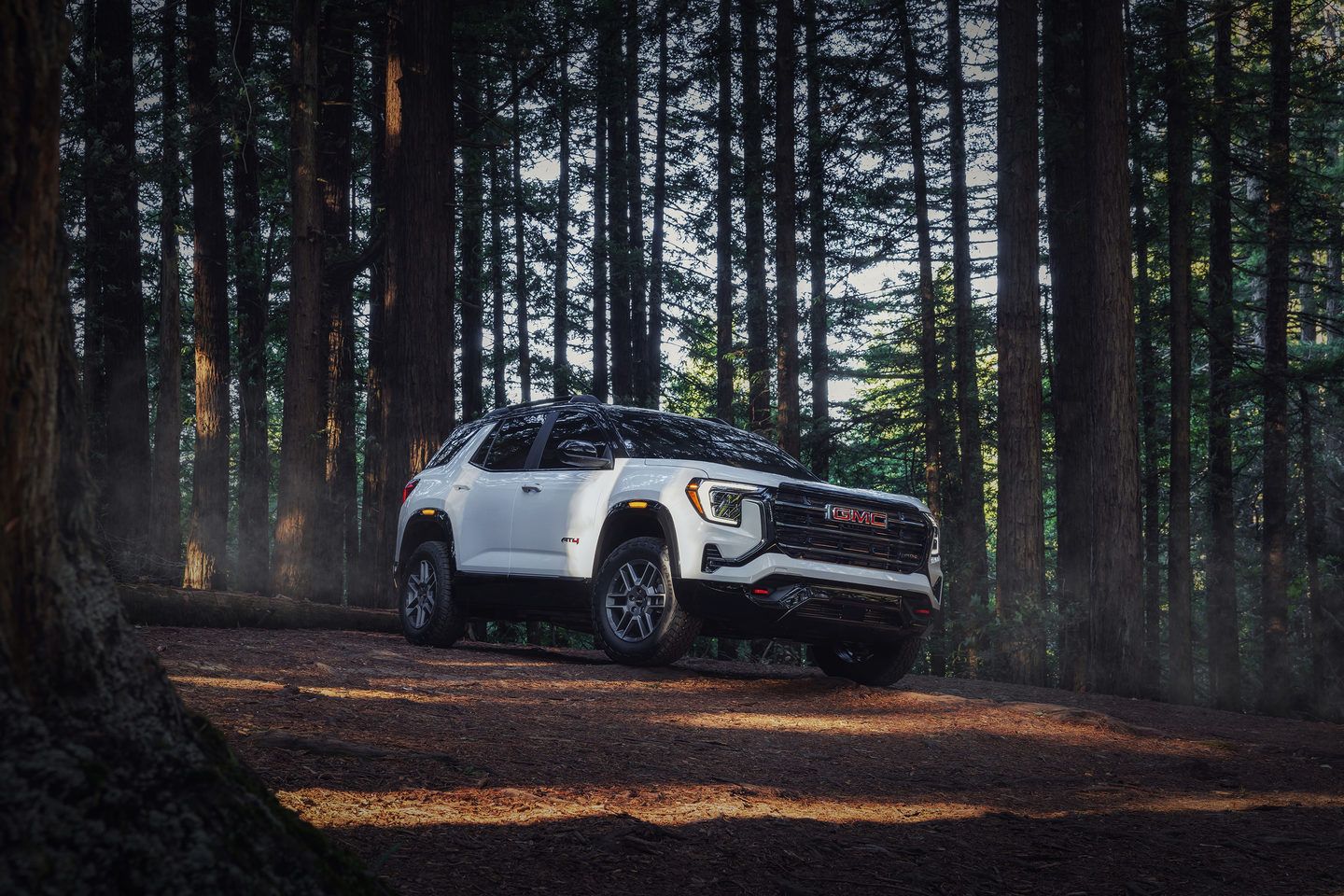
This is the question that matters most. AWD helps you accelerate and maintain control in low-traction situations, but it doesn't help you stop any faster. Winter tyres remain the single most important safety upgrade for Ontario winters, regardless of drivetrain.
AWD Makes Sense If You:
- Live in snowbelt regions with frequent lake-effect snow
- Drive on rural highways or cottage roads that aren't always plowed promptly
- Frequently tow trailers or boats
- Want added confidence during freezing rain and mixed precipitation
- Regularly drive in early morning or late evening when roads are iciest
Front-Wheel Drive with Winter Tyres Works Well If You:
- Commute primarily on maintained urban streets and highways
- Have flexibility to delay travel during severe weather
- Don't tow or venture onto unpaved roads regularly
The best approach combines the right AWD system for your driving patterns with a quality set of winter tyres rated for Canadian conditions.
Find the Right AWD System for Your Needs in Toronto
Choosing between on-demand efficiency, torque-vectoring performance, full-time confidence, or electrified innovation depends on how and where you drive in Ontario. Our team can walk you through the specific AWD systems available across our lineup and help you test drive the options that match your daily route and seasonal needs.
Find an AWD Vehicle Built for Ontario Roads
Understanding AWD is the first step. Choosing the right vehicle is the next. Explore our selection of all-wheel-drive models designed to deliver added confidence, traction, and control in changing road conditions across Ontario.
Browse AWD Inventory >
You might be interested in these blogs: