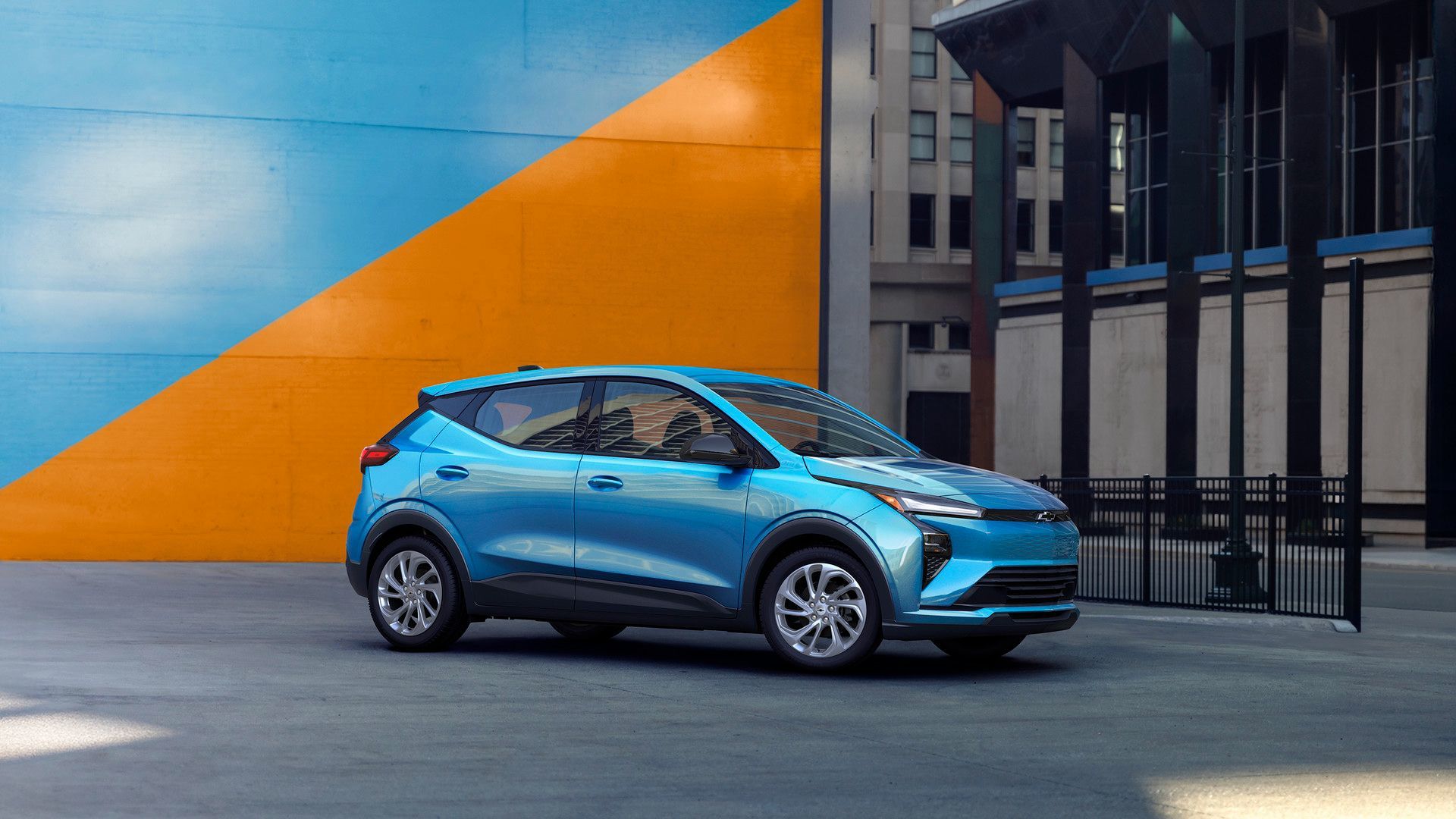
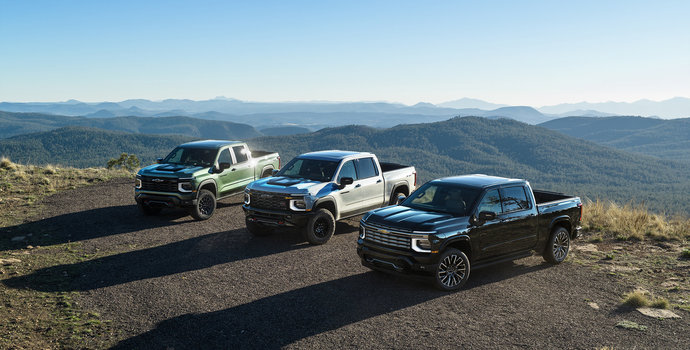
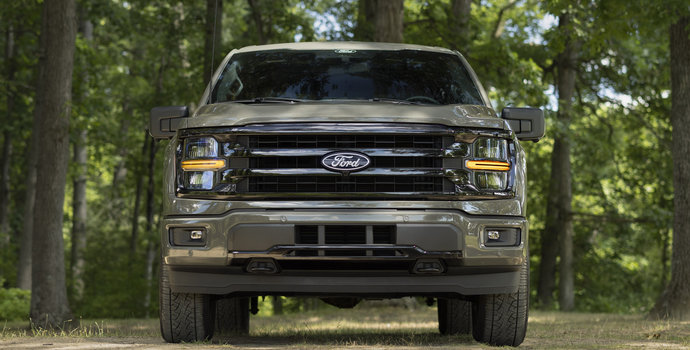
On February 5, 2026, the Government of Canada announced a new Automotive Strategy designed to strengthen the country's position in electric vehicle manufacturing and adoption. For drivers in Ontario considering an electric or plug-in hybrid vehicle, these new rebates represent a significant opportunity to reduce the upfront cost of going electric.
The program runs through 2030 and applies to battery-electric vehicles, fuel-cell electric vehicles, and plug-in hybrids. Eligibility extends to vehicles manufactured in Canada or imported from countries with which Canada has a free-trade agreement, including the United States, Mexico, South Korea, the European Union, and Japan.
Explore Our Hybrid & Electric Inventory
Discover hybrid and fully electric vehicles across The Humberview Group, built for efficiency, advanced technology, and confident everyday driving. With models from 18 brands, your electrified drive starts here.
Shop Hybrid & EV Models >
Who Qualifies for the New Rebate
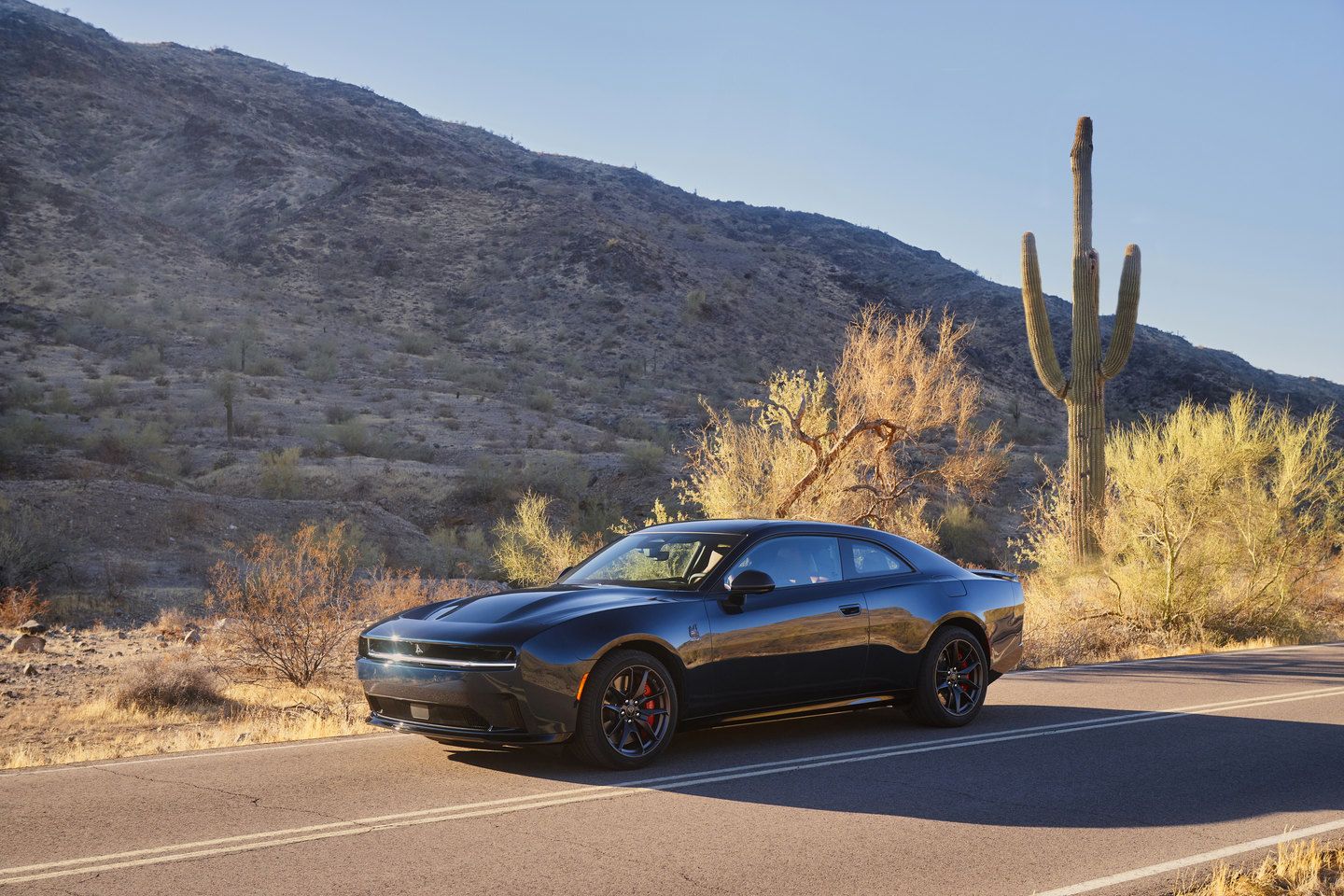
The EV Affordability Program sets a transaction price limit of $50,000 for most eligible vehicles. However, Canadian-built EVs have no price cap, making higher-trim domestic models accessible under the rebate.
The program covers:
- New battery-electric vehicles
- Fuel-cell electric vehicles
- Plug-in hybrid electric vehicles purchased or leased on or after February 16, 2026
Incentives range from up to $5,000 for eligible electric vehicles, or up to $2,500 for eligible plug-in hybrid vehicles.
Rebates are applied directly at the time of purchase or lease through participating dealerships. There is no separate application process or waiting period for approval. Over the program's five-year span, more than 840,000 new electric vehicles nationwide are expected to benefit from these incentives.
For families and businesses evaluating total cost of ownership, the upfront savings from rebates complement the long-term fuel and maintenance cost advantages of electric powertrains.
Charging Infrastructure Expansion
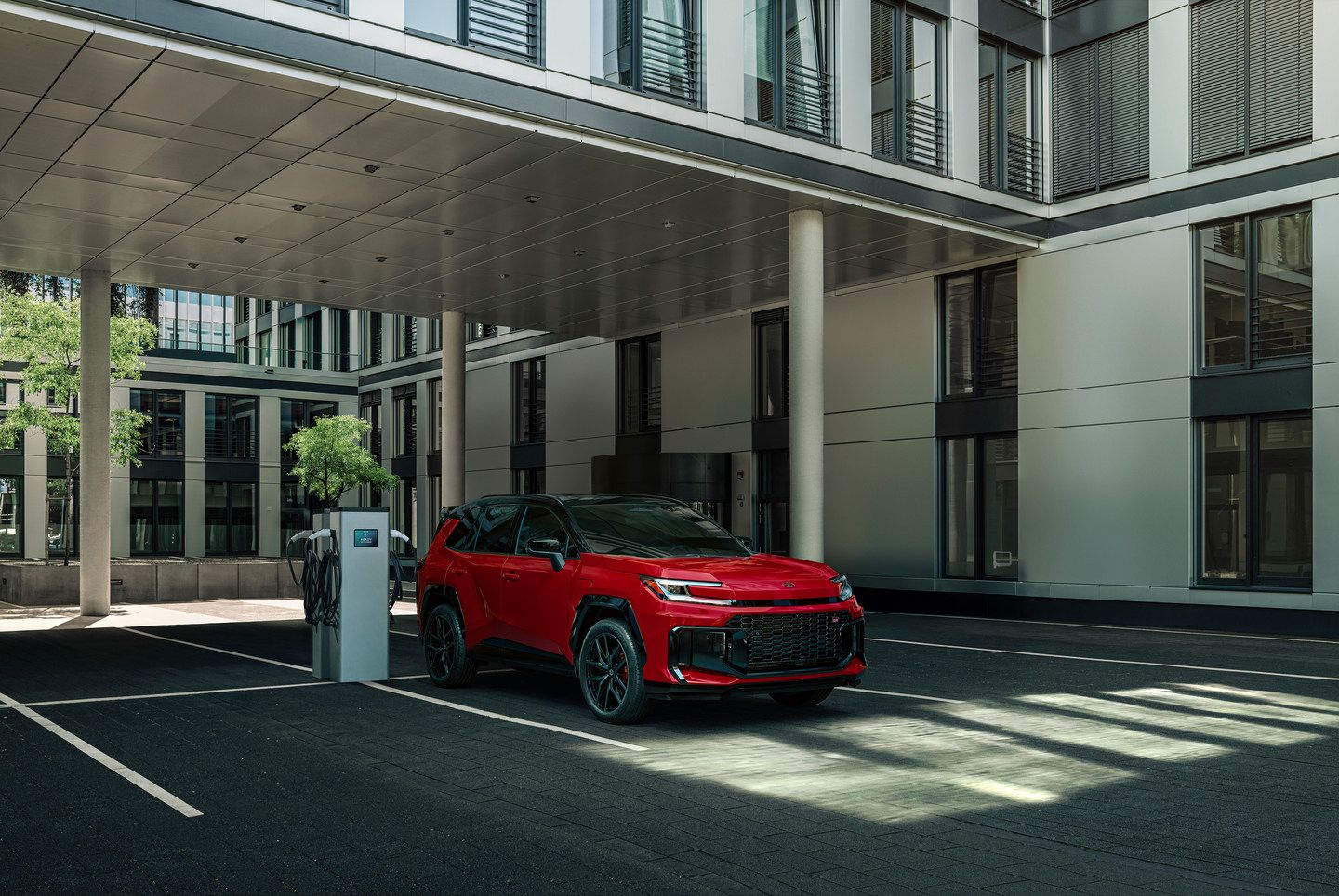
The federal strategy commits $1.5 billion through the Canada Infrastructure Bank for nationwide charging network expansion. This investment focuses on installing fast chargers along major highways and implementing EV-ready requirements for new buildings.
Mercedes-Benz Canada recently announced that its EV drivers gained access to the Tesla Supercharger Network using the North American Charging Standard connector, significantly expanding available charging options.
Improved charging infrastructure addresses one of the most common concerns among potential EV buyers. With more fast-charging stations available across Ontario and beyond, long-distance travel becomes more practical for electric vehicle owners. The combination of expanded public charging and home-charger incentives creates a comprehensive support system for EV adoption.
What This Means for Buyers
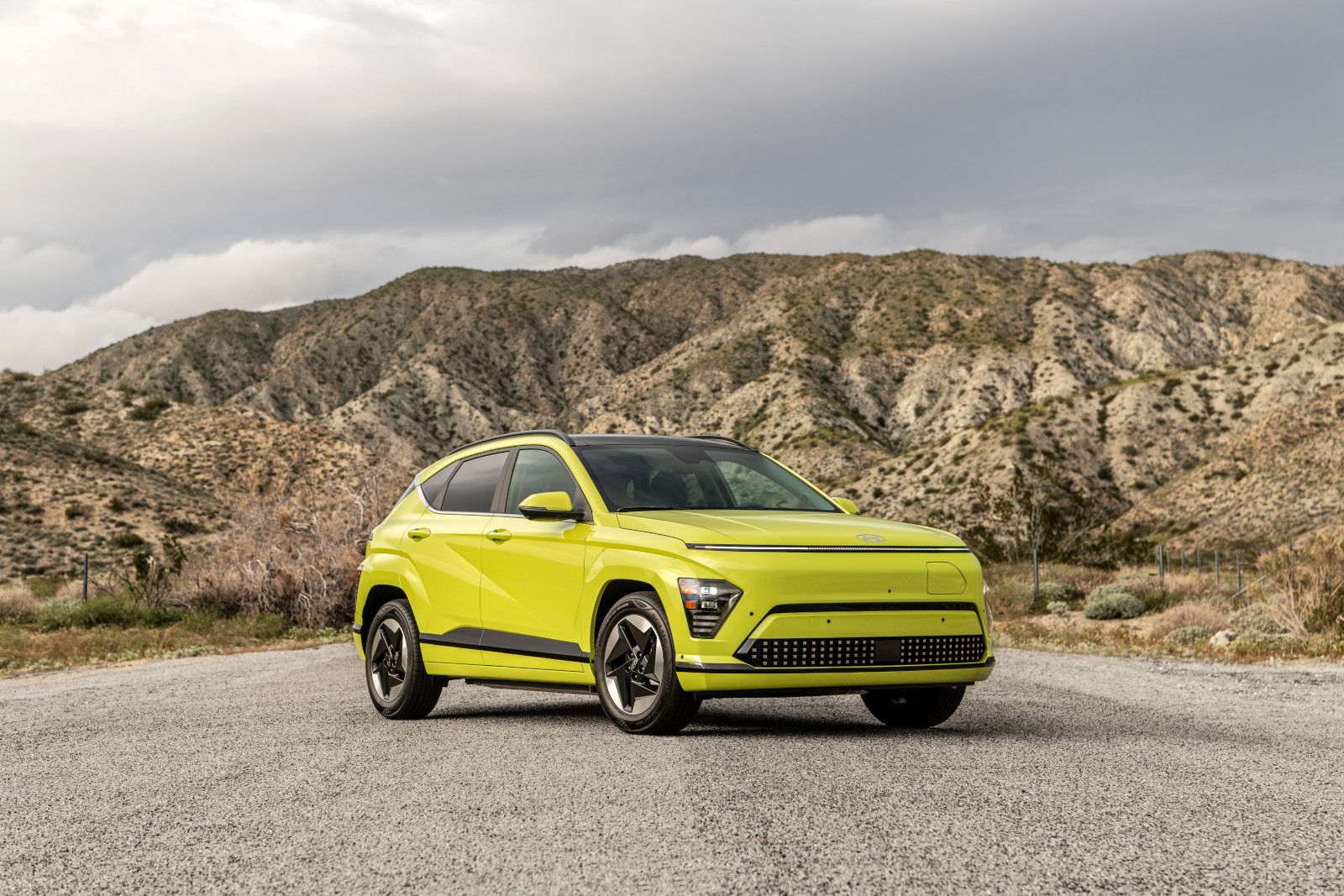
The launch of the EV Affordability Program on February 16, 2026 created immediate opportunities for drivers considering electric or plug-in hybrid vehicles. Rebates are processed at the dealership level, eliminating administrative delays. Buyers can see the final price with incentives applied during the purchase or lease transaction.
The program supports Canada's goal of reaching 75% EV adoption by 2035. As charging infrastructure expands and more models enter the market, electric vehicles continue to gain practicality for a wider range of driving needs.
With incentives applied directly at purchase, expanded model eligibility, and growing charging infrastructure, the barriers to EV ownership continue to decrease. Our team at Humberview Group can help you understand which electric and plug-in hybrid models qualify for rebates and how these incentives fit into your total cost of ownership.
Explore Our Hybrid & Electric Inventory
Discover hybrid and fully electric vehicles across The Humberview Group, built for efficiency, advanced technology, and confident everyday driving. With models from 18 brands, your electrified drive starts here.
Shop Hybrid & EV Models >
You might be interested in these blogs: