The sticker price is only part of the ownership story. What you spend at the pump, or at the plug, adds up year after year, and for many shoppers it’s one of the biggest factors in choosing between a gas-powered vehicle and an electric one. The good news is you don’t have to guess. Natural Resources Canada publishes official fuel and energy consumption ratings for every new vehicle sold in the country, which makes it possible to compare real numbers instead of rough estimates, and Ontario’s own government resources add another layer of detail specific to what charging actually costs here.
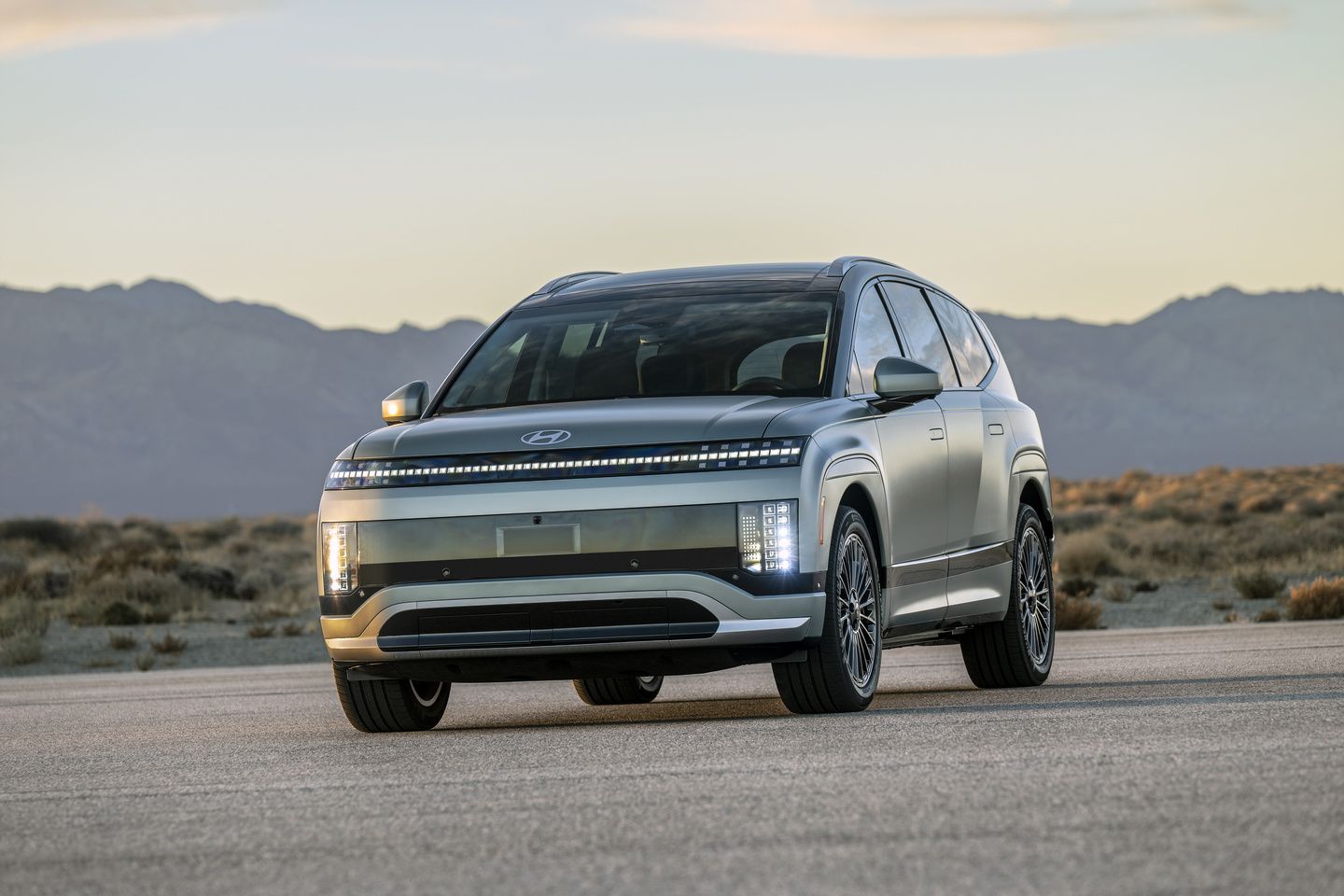
To see how this plays out in practice, we compared two pairs of vehicles sold across Humberview Group’s dealerships: the 2026 Palisade against the 2026 IONIQ 9, and the 2026 Equinox against the 2026 Equinox EV. Each pair shares a body style and a badge, which makes the gas-versus-electric comparison as close to apples-to-apples as it gets, and gives a clearer sense of what switching to an EV could mean for your wallet.
Explore Our Hybrid & Electric Inventory
Discover hybrid and electric vehicles at Humberview Group that combine efficient performance, advanced technology, and lower everyday operating costs. Find an electrified model that fits your driving habits and lifestyle.
Shop Hybrid & EV Inventory >
How Annual Fuel and Energy Costs Are Calculated
NRCan calculates its published annual cost figures using a standard set of assumptions applied to every vehicle: a driving distance of 20,000 km per year, a price of $1.50 per litre for regular gasoline, and a flat rate of $0.18 per kilowatt-hour for electricity. Because every vehicle is measured against the same assumptions, the comparison is consistent, even though your own driving distance and local electricity rate will differ.
For electric vehicles, NRCan also reports consumption in Le per 100 km, meaning litres of gasoline-equivalent energy, using a conversion of 8.9 kWh per litre. That figure makes it possible to line up a gas engine and an electric motor on the same scale.
NRCan’s Official Comparison: Gas vs. Electric
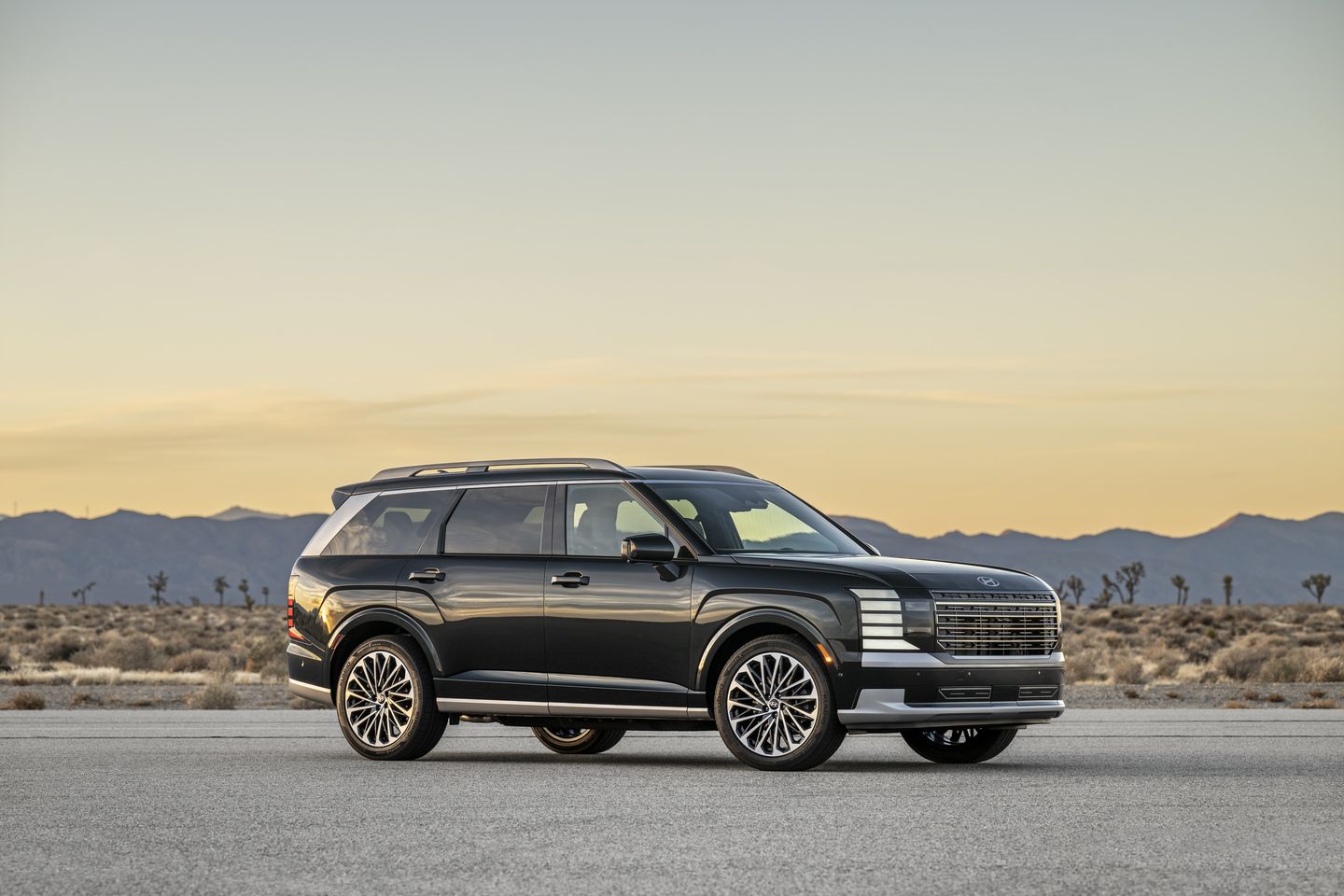
Here’s how all four vehicles compare using NRCan’s published ratings.
|
Vehicle
|
Combined Consumption
|
Estimated Annual Cost
|
|
2026 Palisade AWD (Gas)
|
11.9 L/100 km
|
$3,570
|
|
2026 IONIQ 9 AWD (Electric)
|
2.7 Le/100 km
|
$857
|
|
2026 Equinox (Gas)
|
8.7 L/100 km
|
$2,610
|
|
2026 Equinox EV (Electric)
|
2.2 Le/100 km
|
$695
|
Based on NRCan’s national assumptions, the IONIQ 9 costs about $2,713 less per year to run than the Palisade, and the Equinox EV costs about $1,915 less per year than the gas-powered Equinox. Both electric models also offer strong real-world range, with the IONIQ 9 rated at 515 km and the Equinox EV at 513 km on a full charge.
What This Looks Like With Ontario Charging Rates
NRCan’s $0.18 per kWh figure is a national planning number, not what you’ll actually pay to charge in Ontario. According to Ontario’s government resources on EV charging, real-world rates vary quite a bit depending on where you plug in. Home charging typically runs about 4 to 20.3 cents per kWh depending on your electricity plan and time of use, public Level 2 charging runs roughly 25 to 55 cents per kWh, and DC fast charging runs roughly 45 to 75 cents per kWh.
Most EV owners do the bulk of their charging at home overnight, where rates are lowest, and use public or fast charging occasionally for longer trips. Translating each vehicle’s actual energy use into these Ontario-specific rates gives a more grounded picture of what charging really costs.
|
Charging Type
|
IONIQ 9 (Annual)
|
Equinox EV (Annual)
|
|
Home Charging
|
$192 to $976
|
$157 to $795
|
|
Public Level 2
|
$1,202 to $2,643
|
$979 to $2,154
|
|
DC Fast Charging
|
$2,163 to $3,604
|
$1,762 to $2,937
|
If your charging routine leans heavily on home charging, which is typical for most owners, your actual costs are likely to land well below NRCan’s $0.18/kWh estimate. If you rely more on public or fast charging, your costs will run closer to, or above, the national estimate.
Why the Cost Gap Is So Large
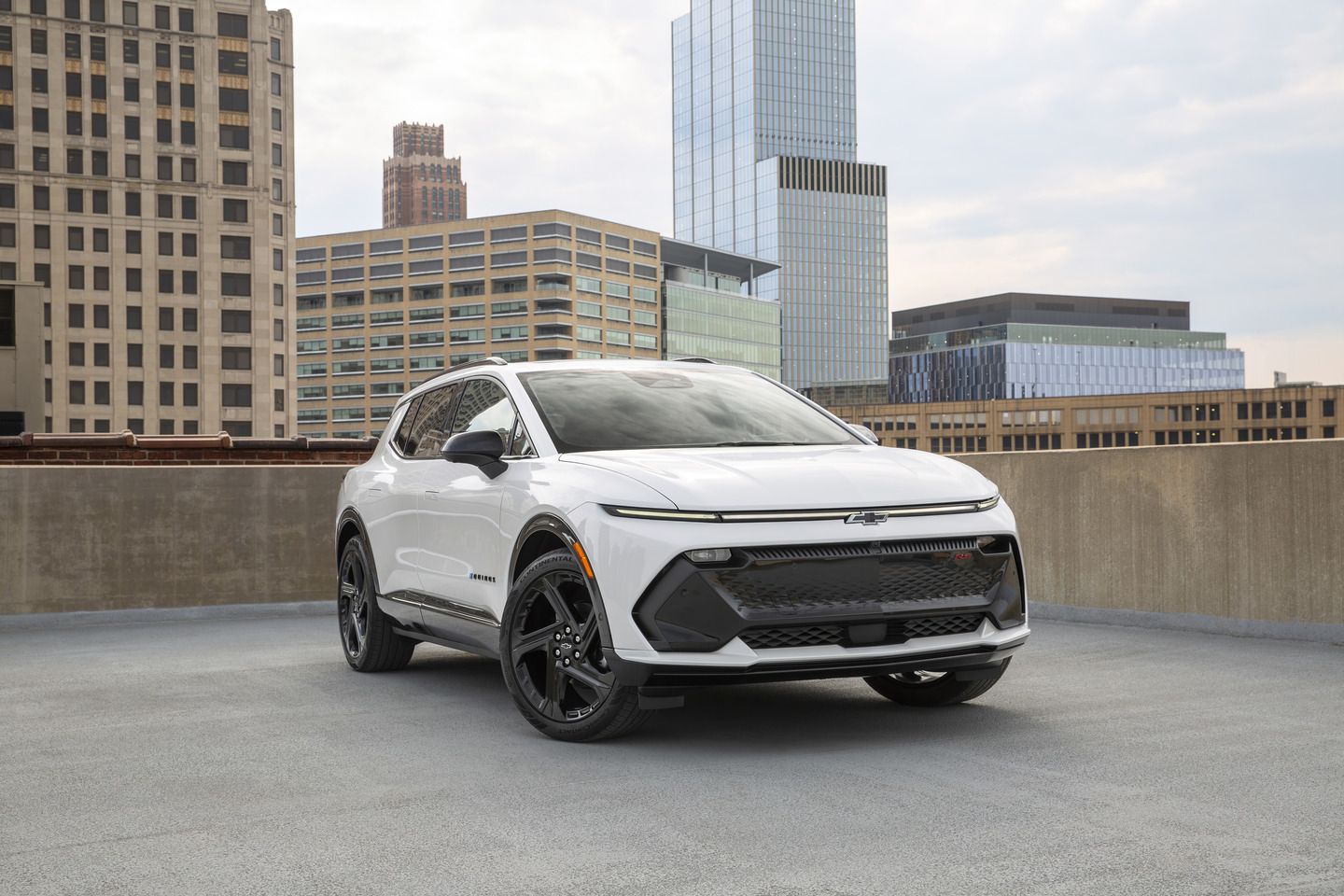
Electric motors convert energy into motion far more efficiently than a gasoline engine, which loses a large share of its energy as heat. That efficiency difference is the main reason the per-kilometre cost of running an EV comes in so much lower, even before accounting for how much cheaper electricity is than gasoline on a per-unit basis. It’s also why the size and weight of a vehicle still matters for an EV’s running costs, the same way it does for a gas model. The Palisade and Equinox comparisons above follow that pattern: the larger three-row SUVs, gas or electric, cost more to run than the compact models in both fuel types.
At a Glance: Estimated Annual Savings
|
Comparison
|
NRCan National Estimate
|
Ontario Home-Charging Estimate
|
|
Palisade vs. IONIQ 9
|
Save about $2,713/year
|
Save roughly $2,594 to $3,378/year
|
|
Equinox vs. Equinox EV
|
Save about $1,915/year
|
Save roughly $1,815 to $2,453/year
|
Explore Your Options at Humberview Group
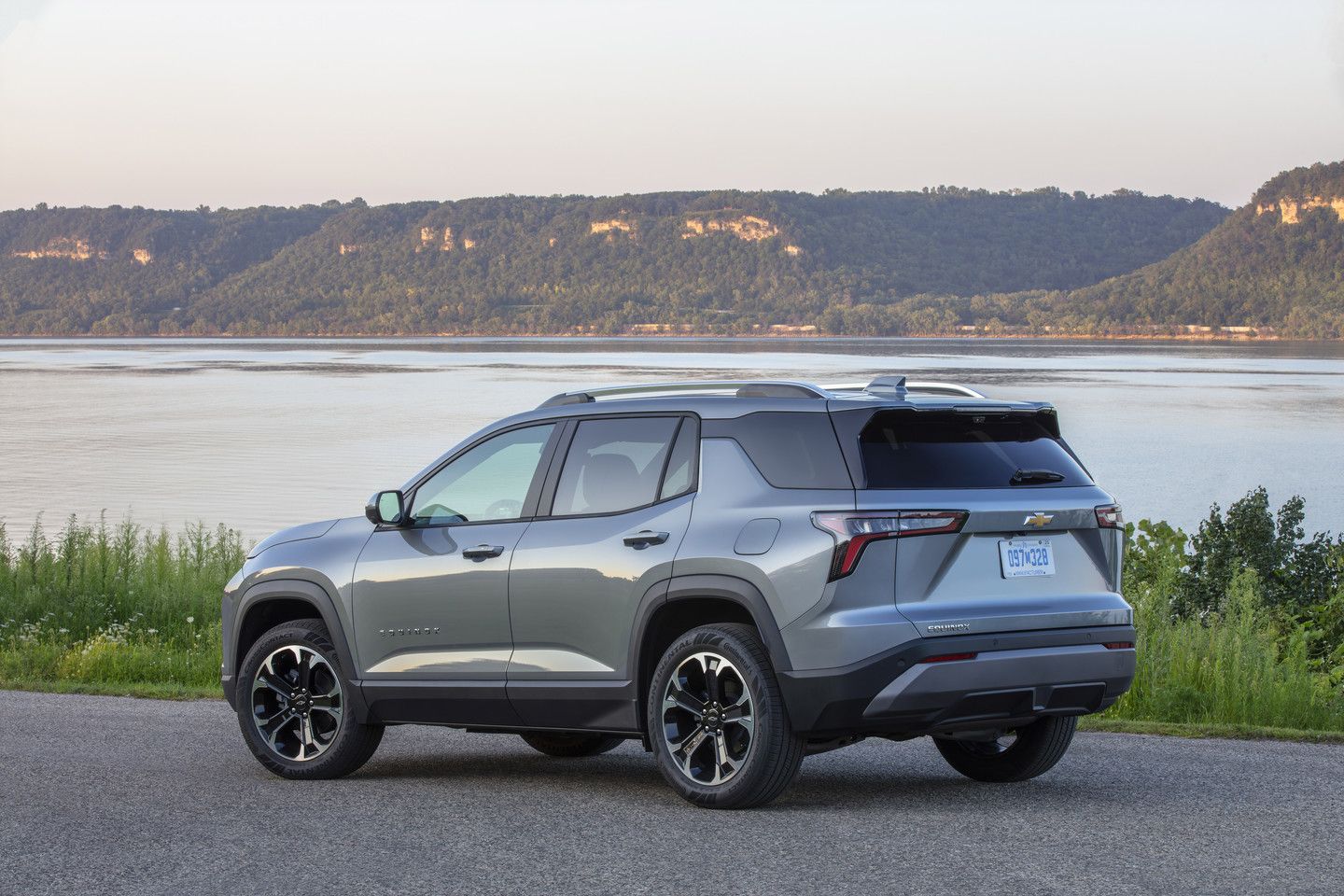
Some drivers value the extra range and towing of a gas-powered SUV, while others prioritize the lower running costs of an electric one. The right choice comes down to how you drive and where you charge. Book a test drive at Humberview Group in Ontario to compare the Palisade, IONIQ 9, Equinox, and Equinox EV side by side and see which one fits your budget and your routine.
Explore Our Hybrid & Electric Inventory
Discover hybrid and electric vehicles at Humberview Group that combine efficient performance, advanced technology, and lower everyday operating costs. Find an electrified model that fits your driving habits and lifestyle.
Shop Hybrid & EV Inventory >
You might be interested in these blogs: