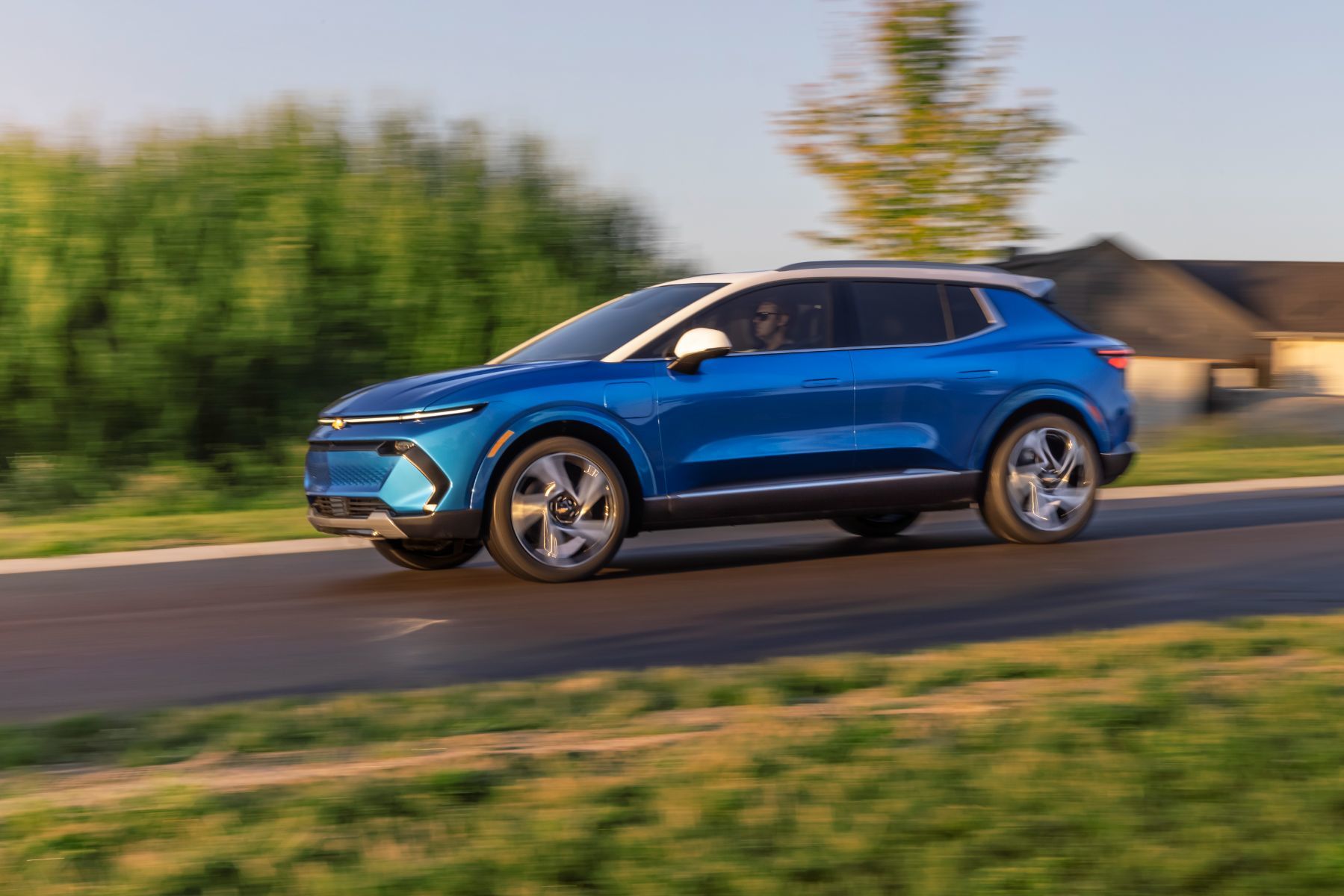
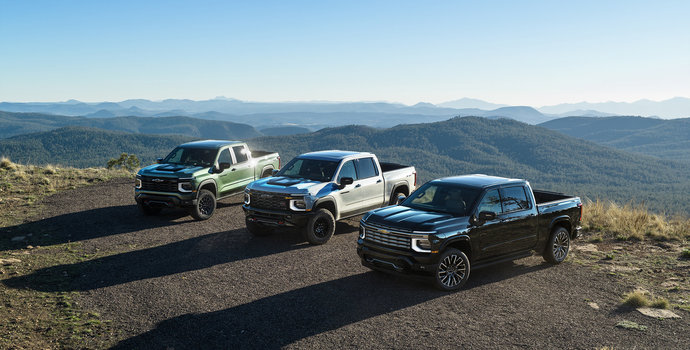
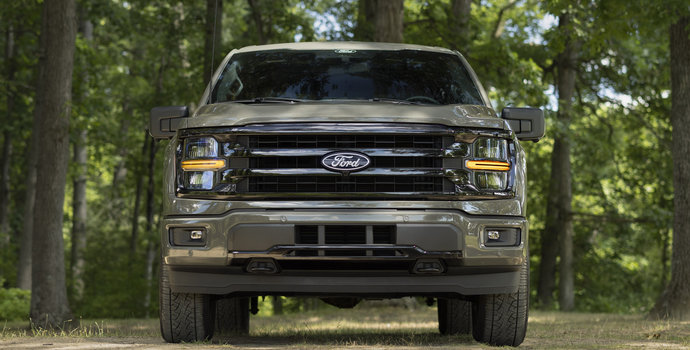
With Ontario gas prices climbing toward $1.80 per litre this spring while electric vehicle drivers charge at home for a fraction of that cost, understanding your vehicle's true running costs matters more than ever. This guide walks you through the math for both gas and electric vehicles using simple formulas and official Canadian data from Natural Resources Canada and the Ontario Energy Board.
Explore Our New Inventory
From fuel-efficient gas models to advanced hybrids and EVs, The Humberview Group offers a wide range of new vehicles built for smarter everyday driving. Explore our new inventory and find the right fit for your lifestyle, budget, and efficiency goals.
Shop New Inventory >
1. Know Canada's Fuel Economy Standard: L/100 km
Canada measures fuel consumption in litres per 100 kilometres (L/100 km). The lower the number, the better. A compact sedan might use 7 L/100 km in the city, while a full-size truck could use 13 L/100 km or more.
To convert US MPG figures, use Natural Resources Canada's formula: divide 235.21 by the MPG number. For example, 30 MPG equals roughly 7.8 L/100 km. This standard appears on the EnerGuide label for every new vehicle sold in Canada.
2. Use NRCan's 2026 Fuel Consumption Guide as Your Baseline
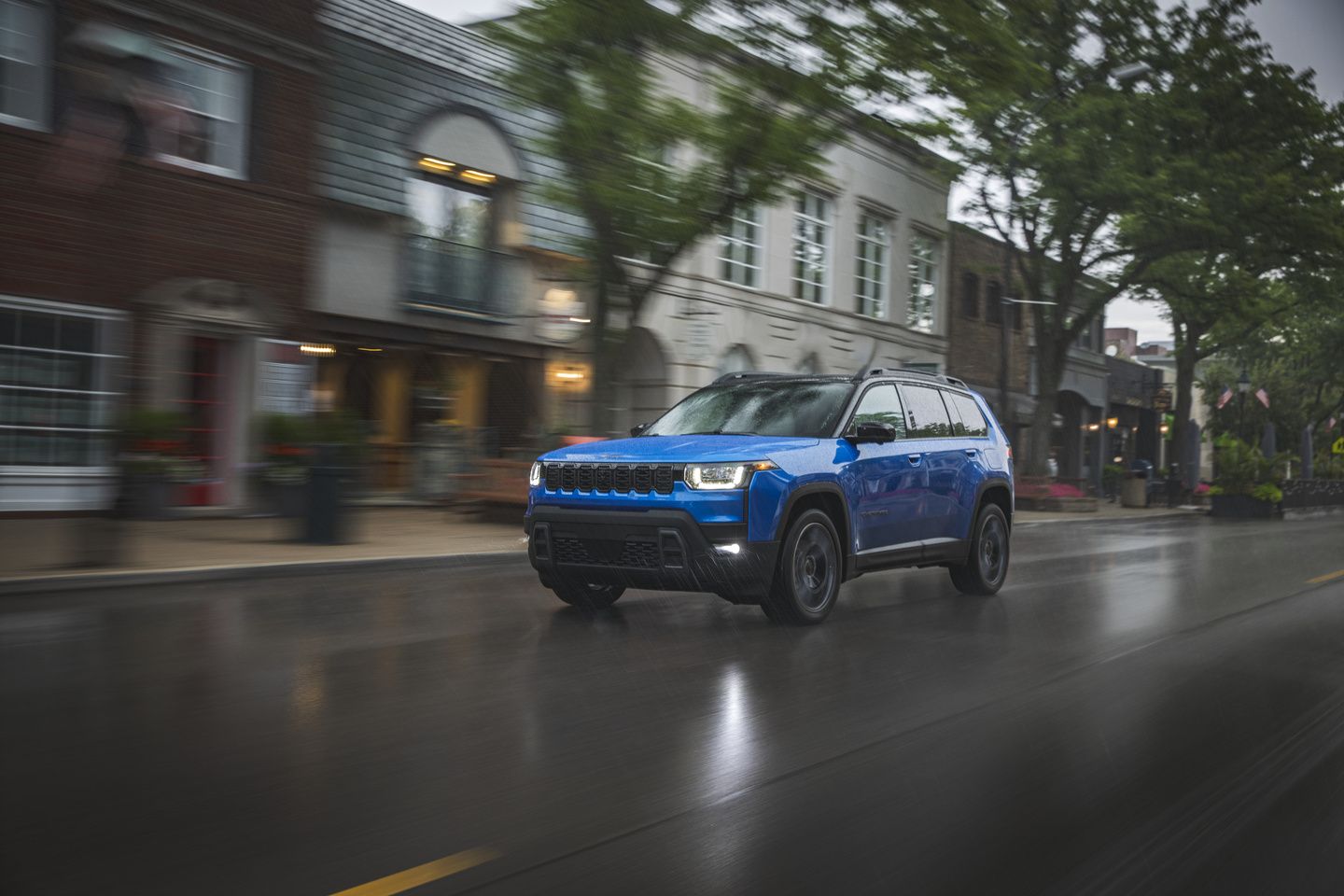
Natural Resources Canada publishes a free annual Fuel Consumption Guide covering every light-duty vehicle sold in Canada, including cars, SUVs, trucks, plug-in hybrids, and battery-electric vehicles.
Search the guide online to compare models side by side and see official city, highway, and combined ratings. These controlled-condition ratings provide a reliable starting point, though your real-world numbers may vary.
3. Calculate Your Real-World Fuel Economy Manually
Official ratings are useful, but your actual fuel economy depends on how and where you drive. To measure it yourself:
- Fill your tank completely and reset your trip odometer
- Drive normally until you need to refuel
- Fill up again and note litres added and kilometres driven
- Apply this formula: (Litres used ÷ km driven) × 100 = L/100 km
For example, if you used 50 litres to drive 500 km, your fuel economy is (50 ÷ 500) × 100 = 10 L/100 km. Track several tanks to get an average reflecting your typical driving.
4. Factor in City vs. Highway Driving
City driving involves more stops, starts, and idling, using more fuel than steady highway speeds. NRCan's guide lists separate city and highway ratings for every vehicle. Track your fuel use separately for detailed insights - most drivers find their combined average falls between the two official ratings.
5. Estimate Your Annual Fuel Cost
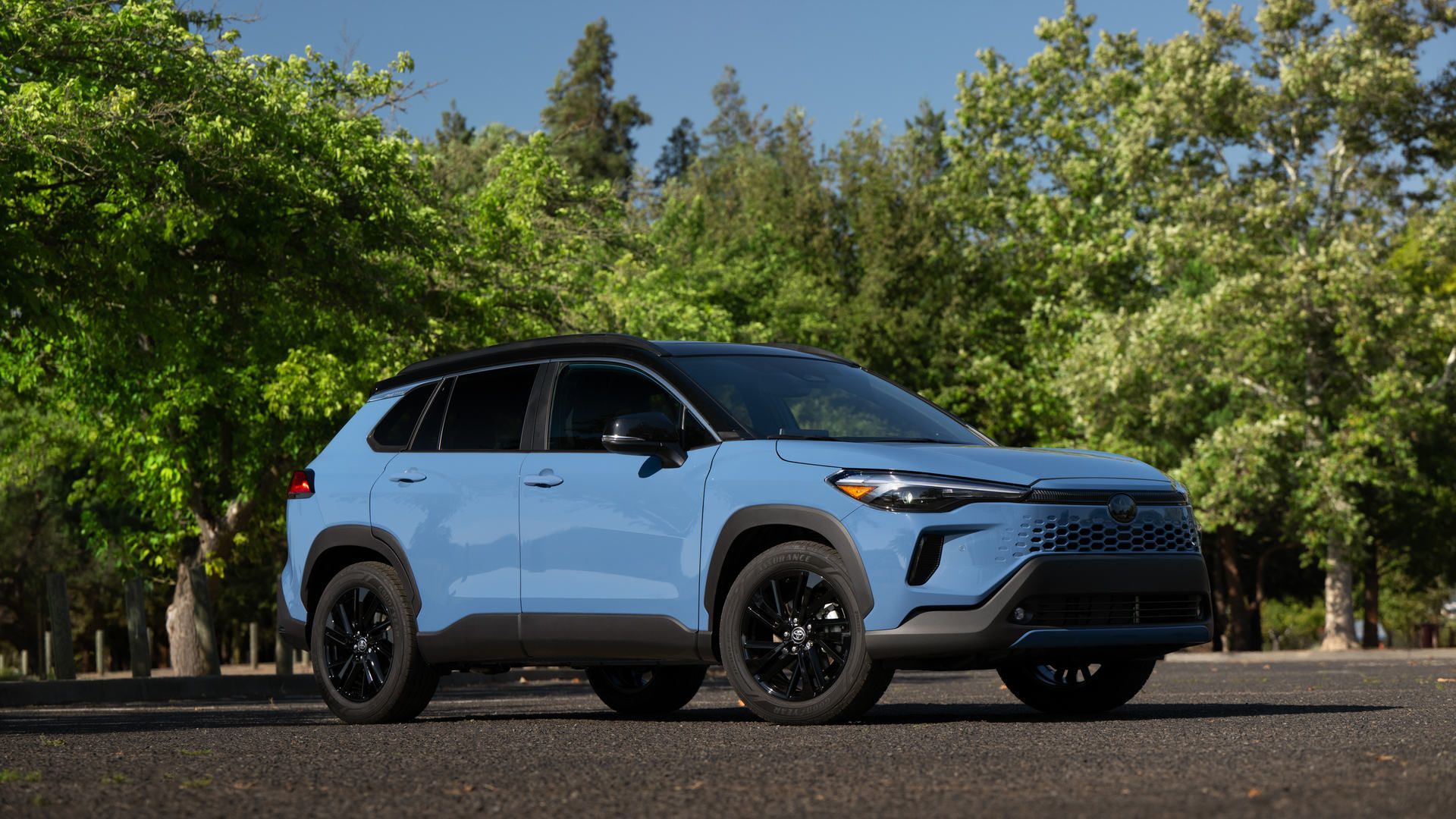
Once you know your L/100 km, estimate annual fuel cost with this formula:
Annual cost = (L/100 km × Annual km driven ÷ 100) × Price per litre
Example: driving 20,000 km per year with a vehicle using 10 L/100 km at $1.80 per litre costs (10 × 20,000 ÷ 100) × $1.80 = $3,600 annually.
With GTA gas prices around $1.75 to $1.90 per litre in March 2026, less efficient vehicles or higher mileage can easily exceed $4,000 annually.
|
Fuel Economy
|
Annual km
|
Annual Cost
|
|
8 L/100 km
|
20,000
|
$2,880
|
|
10 L/100 km
|
20,000
|
$3,600
|
|
12 L/100 km
|
20,000
|
$4,320
|
6. Benchmark Your EV with Le/100 km
Electric vehicles are rated in "litres equivalent per 100 km" (Le/100 km), allowing direct comparison with gas vehicles. A compact EV might rate 2.0 Le/100 km - far more efficient than the most economical gas car. Find Le/100 km ratings in the same NRCan guide, but to calculate actual costs, you need battery size and electricity rates.
7. Calculate Home Charging Cost Using Ontario Rates
Most electric vehicle owners charge their vehicles at home, and this type of charging can account for over 80% of a vehicle's annual charging needs, costing significantly less than gas. Use this formula for a full charge:
Charging cost = Battery capacity (kWh) × Electricity rate (¢/kWh) ÷ 100
Example: The Chevrolet Equinox EV has approximately a 78 kWh battery. At Ontario's off-peak Time-of-Use rate (9.8¢/kWh), a full charge costs 78 × 0.098 = $7.64.
You can estimate an additional $300 to $400 per year on your electricity bill for charging a fully electric vehicle at home - based on an assumption of 20,000 kilometres driven annually, with 85% of charging done at home.
8. Charge Overnight for Maximum Savings in Ontario
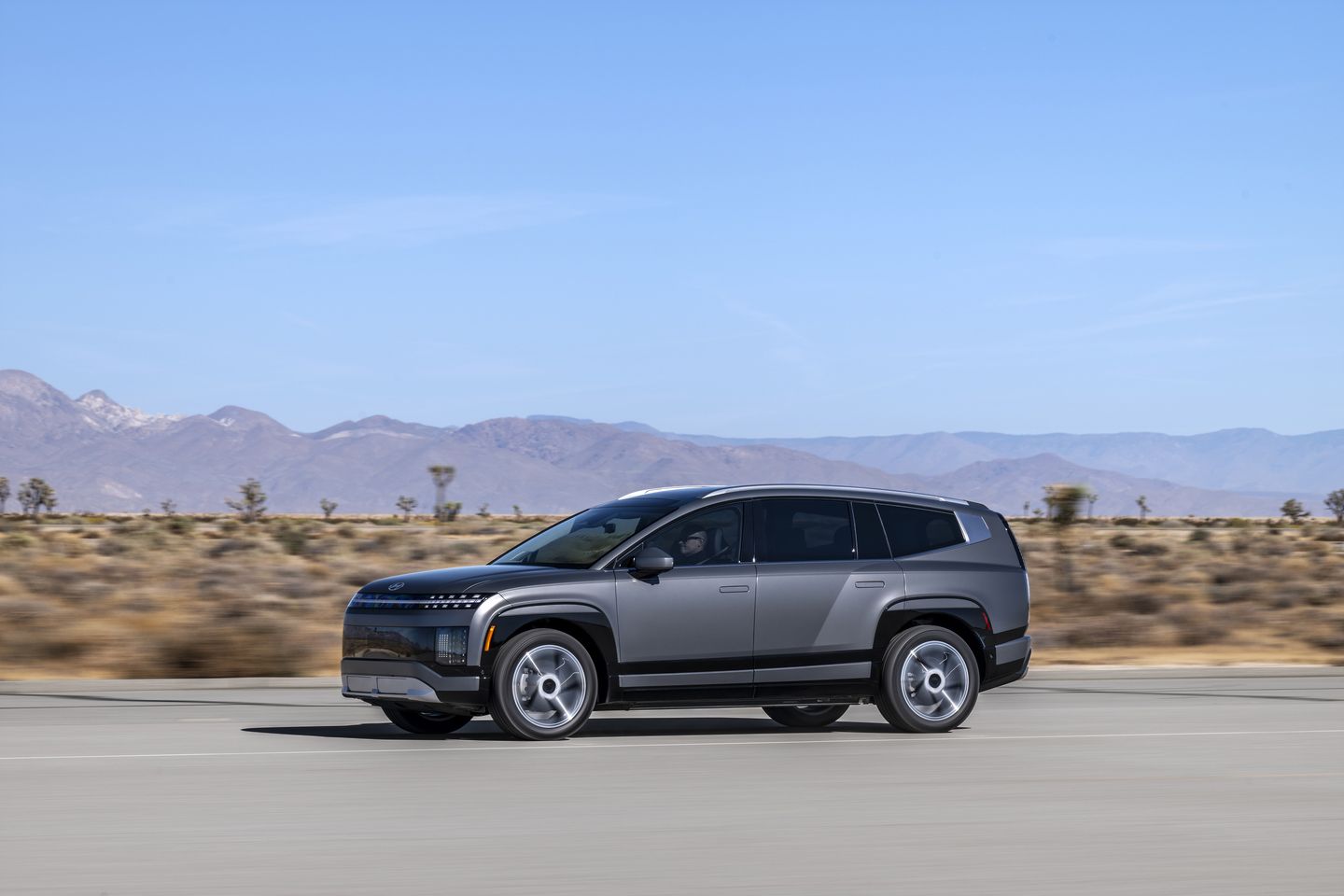
Ontario's Time-of-Use electricity rates make overnight charging cheapest. As of March 2026:
|
Period
|
Weekday Hours
|
Rate (¢/kWh)
|
|
Off-Peak
|
7 PM - 7 AM + weekends
|
9.8¢
|
|
Mid-Peak
|
11 AM - 5 PM
|
15.7¢
|
|
On-Peak
|
7 - 11 AM & 5 - 7 PM
|
20.3¢
|
On the Ultra-Low Overnight (ULO) plan, rates drop to 3.9¢/kWh overnight. That same 78 kWh charge costs just $3.04 - less than half the off-peak rate.
Program your EV to charge overnight using scheduled departure settings available in most models. Most EVs let you set a specific start time, ensuring a full battery every morning.
9. Compare Gas vs. Electric Cost per 100 km
To see real savings, compare cost per 100 km:
Gas vehicle: At 10 L/100 km with gas at $1.80/L, you pay $18 per 100 km.
Electric vehicle: Using 20 kWh per 100 km (typical for mid-size EVs) at 9.8¢/kWh, you pay $1.96 per 100 km.
That's less than 11% of the gas cost. Using a Level 2 public charging station costs between $0 and $3 per hour, with charging time billed per hour or per minute depending on the station owner's pricing policy - costs remain far lower than gas.
10. Use NRCan's Online Tool to Shop Your Next Vehicle
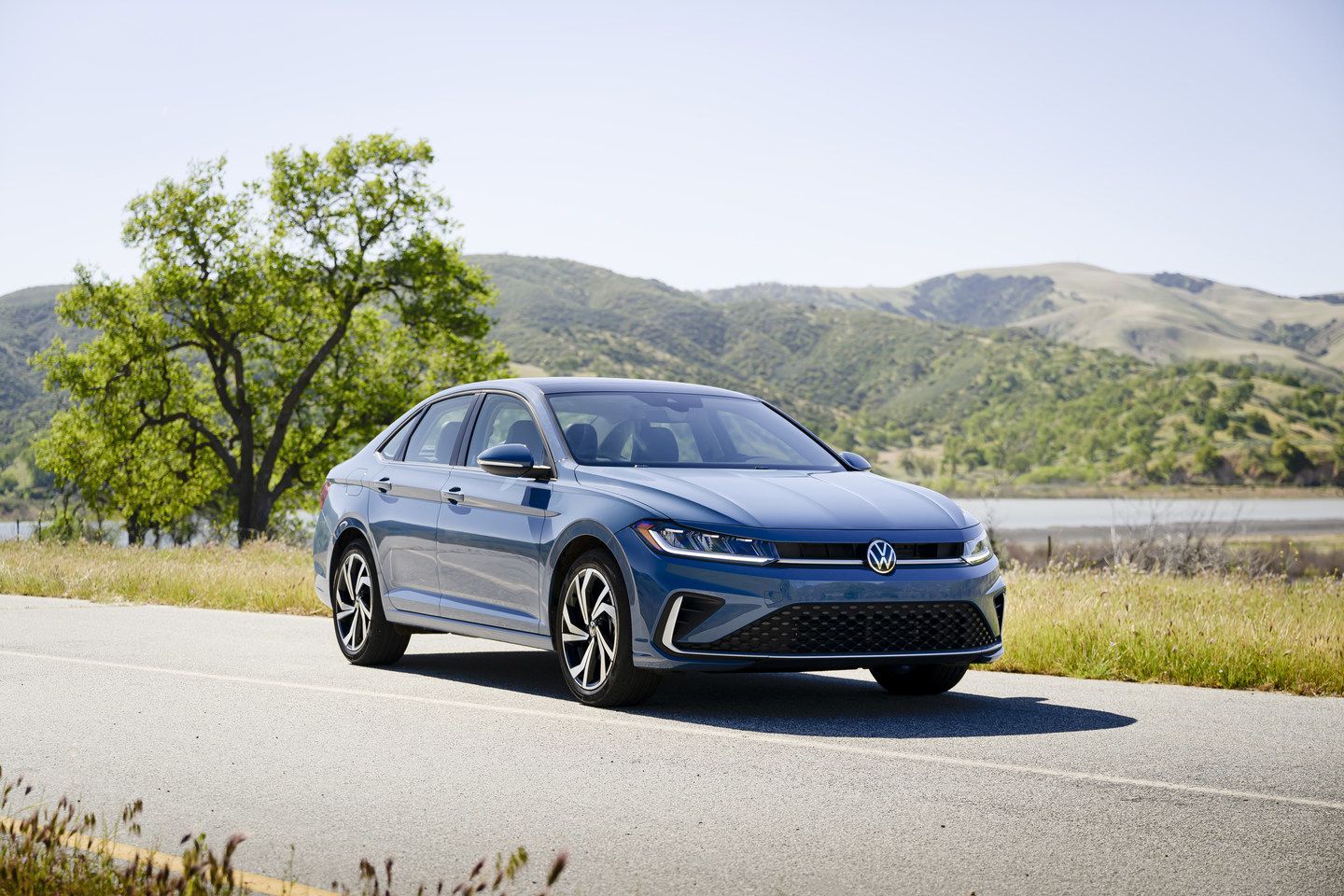
NRCan's Fuel Consumption Ratings Search Tool lets you filter by vehicle type, compare fuel economy across trims, and see how hybrids and EVs stack up against gas models. The tool also shows CO₂ emissions and, for EVs, displays Le/100 km ratings with estimated annual electricity costs alongside gas vehicles.
Visit the online guide to explore your options - it's free, updated annually, and covers every vehicle sold in Canada.
The Bottom Line
Calculating your vehicle's running costs requires simple tracking and formulas. Compare your results to NRCan's official ratings. For EVs, the savings are clear: home charging in Ontario costs a fraction of gas expenses, especially with overnight charging.
Explore Our New Inventory
From fuel-efficient gas models to advanced hybrids and EVs, The Humberview Group offers a wide range of new vehicles built for smarter everyday driving. Explore our new inventory and find the right fit for your lifestyle, budget, and efficiency goals.
Shop New Inventory >
You might be interested in these blogs: