The federal Select Luxury Items Tax has been part of Canadian vehicle purchases since 2022, and it still applies in 2026. If you are shopping at Humberview Group in Toronto for a high-content truck, a full-size SUV, or a premium sedan, this tax can add thousands of dollars to the final invoice. Many buyers only learn about it when they see the breakdown on their paperwork, so it helps to understand how it works before you start building a vehicle.
This guide walks you through what the luxury tax is, who pays it, how it is calculated, and how it stacks with Ontario HST.
Explore Luxury Vehicles at The Humberview Group
From premium SUVs to refined sedans and performance-driven models, The Humberview Group offers a standout selection of luxury vehicles across Ontario. Browse our luxury inventory and find a vehicle that delivers the style, innovation, and elevated driving experience you’re looking for.
Shop Luxury Vehicles >
What Is the Federal Luxury Tax on Vehicles?
The luxury tax is a federal charge, not an Ontario one. The same rules apply whether you buy a vehicle in Toronto, Vancouver, or Halifax. It was introduced to apply an additional cost to higher-value goods, and for vehicles it kicks in when the price passes a set dollar threshold.
For vehicles, the tax applies to qualifying models sold or leased for more than 100,000 dollars before GST or HST. A vehicle that qualifies is called a "subject vehicle" in the federal rules.
Because it is federal, the tax applies the same way at every dealership in Ontario. Humberview Group carries a wide range of brands across the GTA, and any qualifying vehicle over that dollar threshold is treated the same way under the law, whether it wears a domestic badge or a European one.
Which Vehicles Count as "Subject Vehicles"?
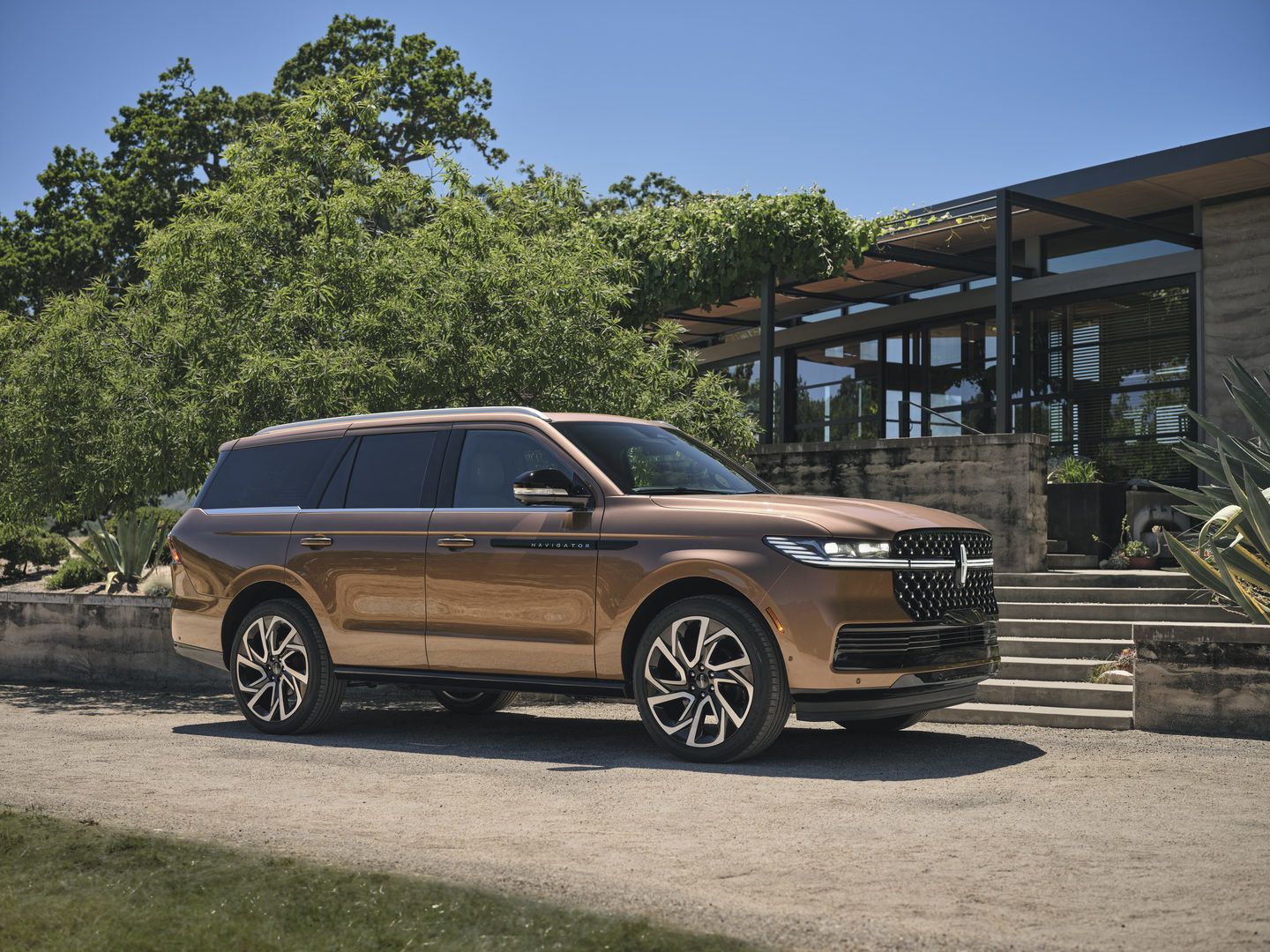
Not every vehicle over 100,000 dollars triggers the luxury tax. The federal rules set out specific criteria for what counts. A subject vehicle is generally one that:
- Has four or more wheels
- Is designed primarily to carry people, not cargo
- Has no more than 10 seating positions
- Weighs no more than 3,856 kg
- Was manufactured after 2018
That means sedans, coupes, hatchbacks, convertibles, sports cars, minivans, most light-duty pickups, and most SUVs fall under the rules if they cross the dollar threshold.
Vehicles that are not subject to the luxury tax include heavy commercial trucks, cargo vans, buses, ambulances, hearses, police vehicles, fire trucks, and certain recreational vehicles. These are built primarily for work, transport of goods, or specialized use rather than passenger travel.
Who Pays the Luxury Tax in Ontario?
The tax applies to individuals and businesses buying or leasing a qualifying new vehicle over 100,000 dollars from a dealer. It also applies to qualifying vehicles brought into Canada through import.
Ontario does not add a separate provincial luxury tax on top. The province continues to charge its normal 13 per cent HST. There is no extra "Ontario luxury surcharge" to worry about, but the HST is calculated on a larger base once the luxury tax is added, which we will break down below.
How the Luxury Tax Is Calculated
The luxury tax uses a "lesser of" formula. You take:
- 10 per cent of the full price of the vehicle, or
- 20 per cent of the amount above 100,000 dollars
Whichever number is lower is the luxury tax you pay.
The price used in the calculation includes options, packages, and accessories installed before delivery. That matters, because a base trim under 100,000 dollars can quickly cross the line once you add a premium package, larger wheels, or additional features.
Example 1: A Vehicle Priced at 110,000 Dollars
- 10 per cent of 110,000 = 11,000 dollars
- 20 per cent of 10,000 (the amount over the threshold) = 2,000 dollars
- Luxury tax owed: 2,000 dollars (the lower of the two)
The new subtotal becomes 112,000 dollars, and 13 per cent HST is then calculated on that amount.
Example 2: A Vehicle Priced at 150,000 Dollars
- 10 per cent of 150,000 = 15,000 dollars
- 20 per cent of 50,000 = 10,000 dollars
- Luxury tax owed: 10,000 dollars
The new subtotal becomes 160,000 dollars, and HST is calculated on that.
How the Luxury Tax Stacks With Ontario HST
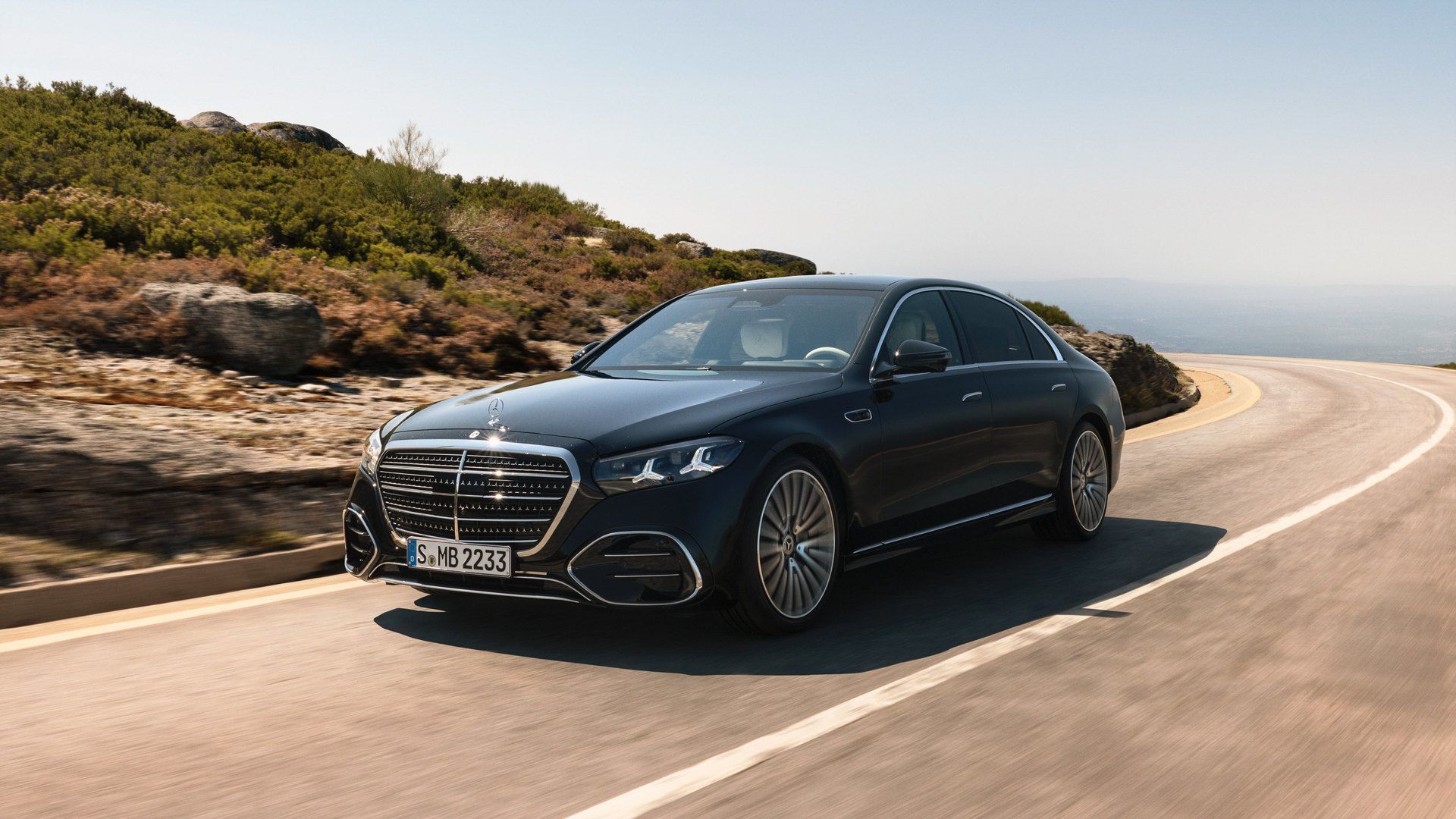
This is the part that catches many buyers off guard. The luxury tax is added to the vehicle price first, and then HST is calculated on the combined total. You end up paying HST on the luxury tax itself.
Here is the order of operations for a qualifying new vehicle at an Ontario dealer:
- Start with the negotiated price, including options and dealer-installed accessories.
- Apply the federal luxury tax using the "lesser of" formula.
- Add 13 per cent HST on the new subtotal (price plus luxury tax).
- Add licensing, plate, and permit fees at ServiceOntario.
For vehicles priced at 100,000 dollars or less, the math is simpler: you pay the negotiated price plus 13 per cent HST plus the usual licensing fees, with no luxury tax layer.
Quick Comparison Table
|
Scenario
|
Vehicle Price
|
Luxury Tax
|
HST Calculated On
|
Notes
|
|
New SUV at 95,000 dollars
|
95,000
|
0
|
95,000
|
Below the threshold
|
|
New truck at 110,000 dollars
|
110,000
|
2,000
|
112,000
|
20 per cent over threshold rule applies
|
|
New sedan at 150,000 dollars
|
150,000
|
10,000
|
160,000
|
Luxury tax added, then HST on combined total
|
|
Used SUV at 120,000 dollars, previously registered in Canada
|
120,000
|
0
|
120,000
|
Previously licensed vehicles are generally exempt
|
How the Luxury Tax Works on Leases
If you lease a new qualifying vehicle with a value over 100,000 dollars, the same luxury tax rules apply. The tax is generally calculated upfront on the vehicle's value and is payable when you first take delivery, rather than spread evenly across every monthly payment.
In practice, the luxury tax is built into the capitalized cost of the lease, which means it influences your monthly payment. If you are comparing two trims that sit on either side of the 100,000 dollar line, the difference in monthly payments can be larger than the sticker price gap alone would suggest.
Pre-owned vehicles that are already registered or licensed in Canada are usually outside the luxury tax rules, even if their value is above 100,000 dollars. That is true whether you are buying or leasing the pre-owned vehicle.
When the Luxury Tax Does Not Apply
The tax does not apply to:
- Vehicles priced at or below 100,000 dollars before GST or HST
- Vehicles manufactured before 2019
- Previously licensed or registered vehicles in Canada sold after their first registration
- Vehicles designed primarily to carry cargo rather than people
- Vehicles with fewer than four wheels
- Vehicles designed for more than 10 occupants
- Ambulances, hearses, police vehicles, fire trucks, and certain RVs
What This Means for Buyers at Humberview Group
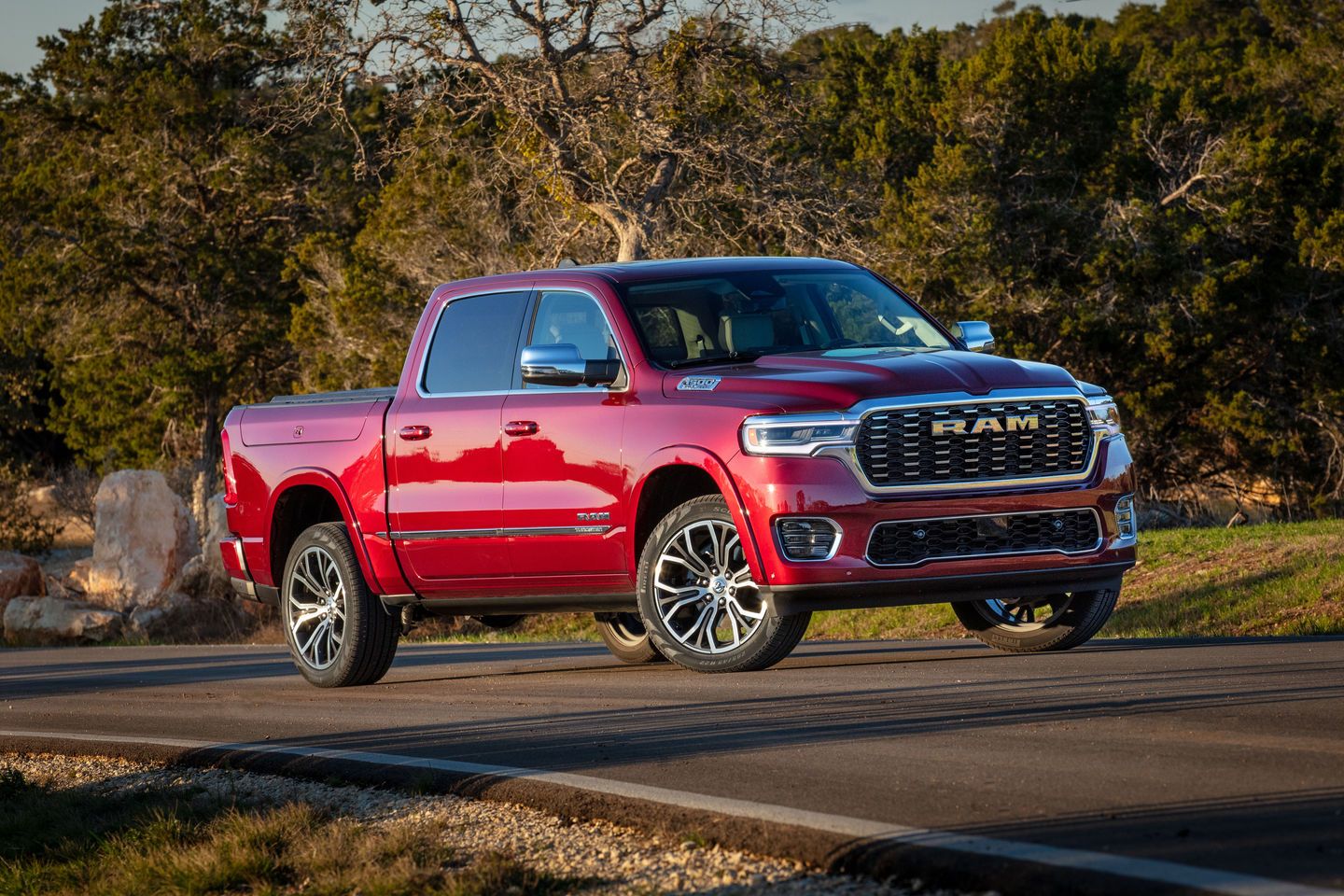
Humberview Group carries mainstream, premium, and performance brands across the GTA, which means a lot of vehicles can cross the 100,000 dollar threshold once they are fully optioned. Heavy-duty pickups, full-size SUVs, top-trim luxury sedans, and performance models are common examples of builds that can trigger the tax.
A few practical points to keep in mind:
- Trim and package choices can move a vehicle above or below the threshold. Running the numbers on two similar builds can change your total out-the-door cost significantly.
- Comparing a new vehicle against a nearly new, previously licensed pre-owned example can be worthwhile if the luxury tax is a concern, since used vehicles that were already registered in Canada are generally exempt.
- Trade-ins, rebates, and discounts interact with the taxable amount based on federal rules, not simply what you pay out of pocket. The finance team can walk you through how those rules apply to your specific deal.
FAQs About the Luxury Tax in Ontario
Is this an Ontario tax or a federal tax? It is a federal tax that applies across Canada. Ontario does not add its own luxury layer, but regular 13 per cent HST applies on top.
Do I pay the luxury tax on used luxury vehicles? Generally no, as long as the vehicle was previously registered or licensed in Canada. A pre-owned SUV at 120,000 dollars that was already on the road in Canada is usually exempt.
Does the tax apply to electric vehicles and trucks? Yes. The rules are based on vehicle type, weight, seating, and price, not fuel source. A qualifying EV priced over 100,000 dollars is treated the same as a gas-powered one.
Do accessories and packages count toward the 100,000 dollar threshold? Yes. Options and dealer-installed accessories added before delivery are included in the price used for the calculation.
Can a trade-in or discount reduce the luxury tax? The calculation is based on how the "taxable amount" is defined in the federal rules, not on the amount you personally net out of pocket after a trade. The finance team can show you how a specific trade or incentive interacts with the tax on a written quote.
Get a Clear Breakdown Before You Sign
The cleanest way to know what the luxury tax will mean for a specific vehicle is to see it written out on a full quote. Your dealership can put together a line-by-line breakdown of vehicle price, luxury tax, HST, and ServiceOntario fees for any build you are considering, whether new or pre-owned.
For legal detail on the rules themselves, the Canada Revenue Agency publishes official guidance on the Select Luxury Items Tax Act. For how those rules apply to your specific purchase or lease, speak to the finance team at your local Humberview Group dealership.
Explore Luxury Vehicles at The Humberview Group
From premium SUVs to refined sedans and performance-driven models, The Humberview Group offers a standout selection of luxury vehicles across Ontario. Browse our luxury inventory and find a vehicle that delivers the style, innovation, and elevated driving experience you’re looking for.
Shop Luxury Vehicles >
You might be interested in these blogs: