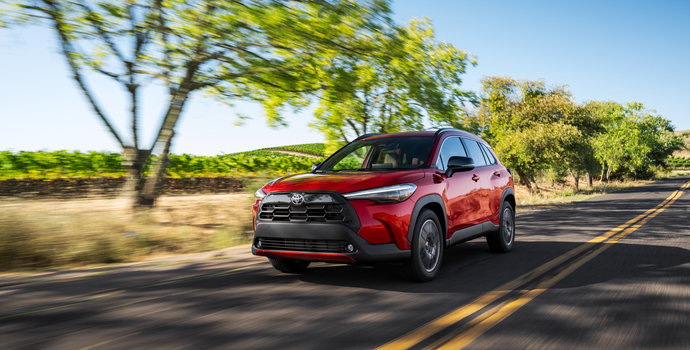
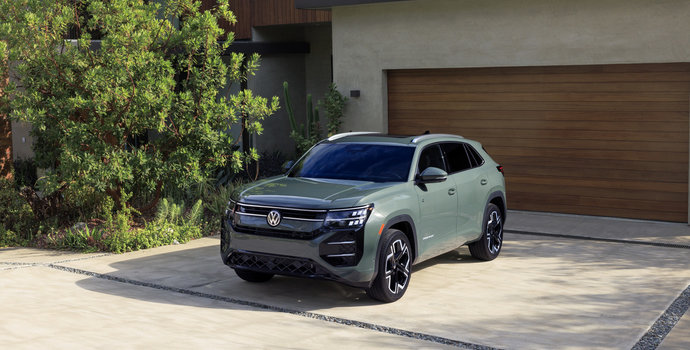
Ontario fuel prices have been all over the map lately. In the past three months alone, prices at the pump moved from around 146.0 cents per litre up to a high near 187.8 cents per litre, before settling back to around 166.9 cents per litre. When fuel costs swing that sharply, it's no surprise that drivers start looking for ways to stretch every fill-up. One of the most common ideas that surfaces during high-price stretches: maybe premium gas will help the engine run more efficiently and save money in the long run.
For some vehicles, that idea has merit. For most, it's a costly habit with no real payoff. This guide breaks down what the research actually shows, clears up the most common fuel myths Ontario drivers still believe, and explains the situations where premium is genuinely worth the extra cost per litre.
Explore New Inventory
Fuel-smart driving starts with choosing the right vehicle for your needs. From efficient gas models to hybrid and electric options, The Humberview Group offers a wide selection of new vehicles designed for different driving styles, fuel requirements, and everyday routines.
Shop New Inventory >
What Octane Rating Actually Means
The number on the pump, whether 87, 89, or 91-plus, is an octane rating. Higher octane fuel resists "knock," which is the premature ignition of the fuel-air mixture inside the cylinder. That resistance matters a great deal in high-compression, turbocharged, or performance-tuned engines, where cylinder pressures are high enough to cause knock with lower-octane fuel.
For a standard sedan, crossover, or truck designed to run on regular 87-octane fuel, the engine's compression ratio is set to work within that octane range. There is no knock to prevent, and no meaningful efficiency advantage to gain from a higher-octane fill.
- High-octane fuel resists knock in high-compression engines
- Most everyday vehicles are calibrated for regular 87-octane fuel
- Octane rating does not measure energy content or cleaning ability
Myth 1: Premium Gas Gives Better Mileage in Any Car
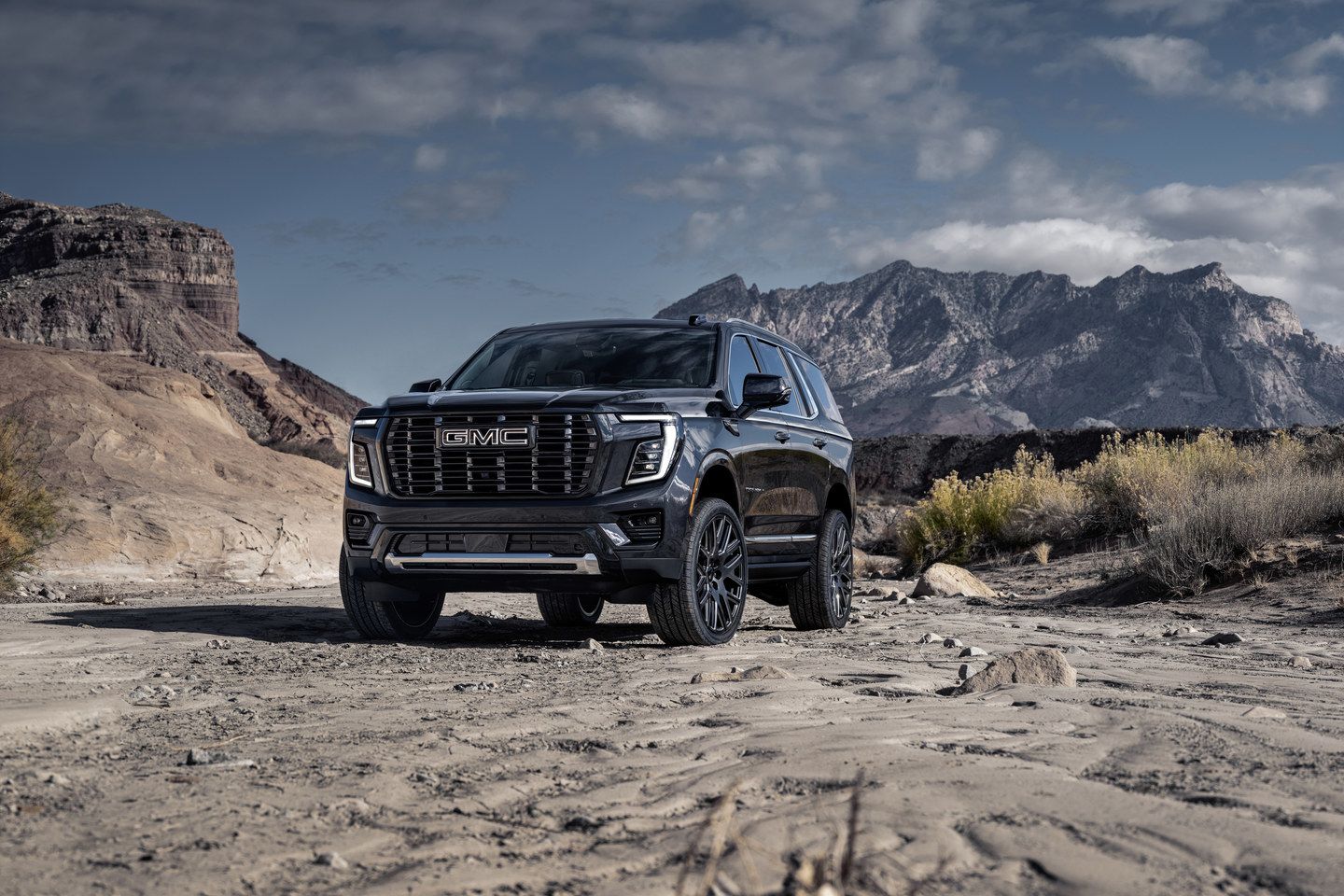
This is the most persistent fuel myth on the road. Federal fuel-efficiency guidance from Natural Resources Canada focuses on vehicle choice, driving habits, and maintenance as the keys to lowering fuel use — not on buying higher-octane gasoline. NRCan's Fuel Consumption Guide tells drivers to compare official L/100 km ratings and pick a vehicle that meets their needs while using less fuel; there is no suggestion that premium gas will make a regular-fuel vehicle consume less. Unless the manufacturer specifically requires premium, filling up with it does not improve mileage for most drivers.
The basic energy content of regular and premium gasoline is similar. What you're paying extra for is knock resistance, and if your engine doesn't need it, you're simply spending more at the pump without getting anything back in range or efficiency.
The fact: Premium does not improve fuel economy in vehicles designed for regular fuel. The extra cost per litre is a loss, not a savings strategy.
Myth 2: Premium Gas Cleans Your Engine Better
The idea here is that premium fuel has superior cleaning agents that protect the engine over time. In practice, all grades of modern gasoline sold at reputable Canadian stations already contain detergent additives. These additives help prevent carbon buildup and keep fuel injectors clean regardless of octane rating.
Premium formulations may carry a slightly different additive package, but for a vehicle designed for regular fuel, the difference in real-world cleanliness is negligible under normal driving conditions. The far more effective strategy for a clean, healthy engine is following the manufacturer's recommended maintenance schedule and buying fuel from quality, reputable stations.
The fact: Engine cleanliness comes from quality fuel and proper maintenance, not from a higher octane number.
When Premium Is Worth It

There are genuine cases where premium fuel delivers real value, and this is where the nuance matters.
Some engines require premium fuel. These are typically high-compression engines found in performance vehicles, many turbocharged applications, and a range of luxury models. When the owner's manual says "premium required," using regular-grade fuel can cause knock, reduce power output, reduce fuel efficiency, and potentially cause long-term engine wear. In these engines, the cost of premium is simply the cost of running the vehicle correctly.
A second category is engines that "recommend" but do not strictly "require" premium. In these cases, the engine management system will adapt to run on regular fuel, but with a reduction in power and sometimes efficiency. Independent dyno testing has shown modest gains in both performance and efficiency when premium is used in engines optimized for it. For daily commuting, the extra cost per litre often outweighs those gains; for towing or sustained highway driving at higher loads, the picture can shift.
- Required: Always use the specified grade. Running regular in a premium-required engine risks knock, damage, and reduced performance.
- Recommended: Regular fuel works, but with a trade-off in power and efficiency. The decision depends on how you're using the vehicle.
- Regular fuel specified: Premium adds cost with no meaningful return.
Other Fuel-Efficiency Myths Ontario Drivers Still Believe
Cruise Control Always Saves Gas
Cruise control is a genuine fuel-saver on flat, open highway stretches, where it maintains a steady speed more consistently than most drivers do. On rolling or hilly terrain, the result is different: the system holds the set speed aggressively, which can lead to more frequent downshifts and higher fuel consumption on the climbs. The benefit depends on where you're driving.
Coasting in Neutral Saves Fuel
Modern fuel-injected vehicles often cut fuel delivery entirely when decelerating in gear with the throttle closed, meaning coasting in gear can actually use less fuel than coasting in neutral, where the engine idles and burns a small but steady amount of fuel. Shifting into neutral to "coast" can work against you in a fuel-injected vehicle.
Gadgets and Additives Deliver Big Savings
Aftermarket devices and fuel additives that promise dramatic economy gains have been consistently flagged by consumer organizations and regulators as exaggerated or unproven. The gains advertised rarely hold up under real-world testing. Any legitimate fuel-saving improvement comes from the vehicle itself, how it's maintained, and how it's driven.
You Need to Warm Up the Engine in Winter
Extended warm-up idling is a holdover habit from the era of carbureted engines. Modern fuel-injected vehicles reach operating temperature faster when driven gently than when left idling. Long idling burns fuel, adds wear, and doesn't meaningfully speed up the warm-up process in a modern engine.
What Actually Saves Fuel
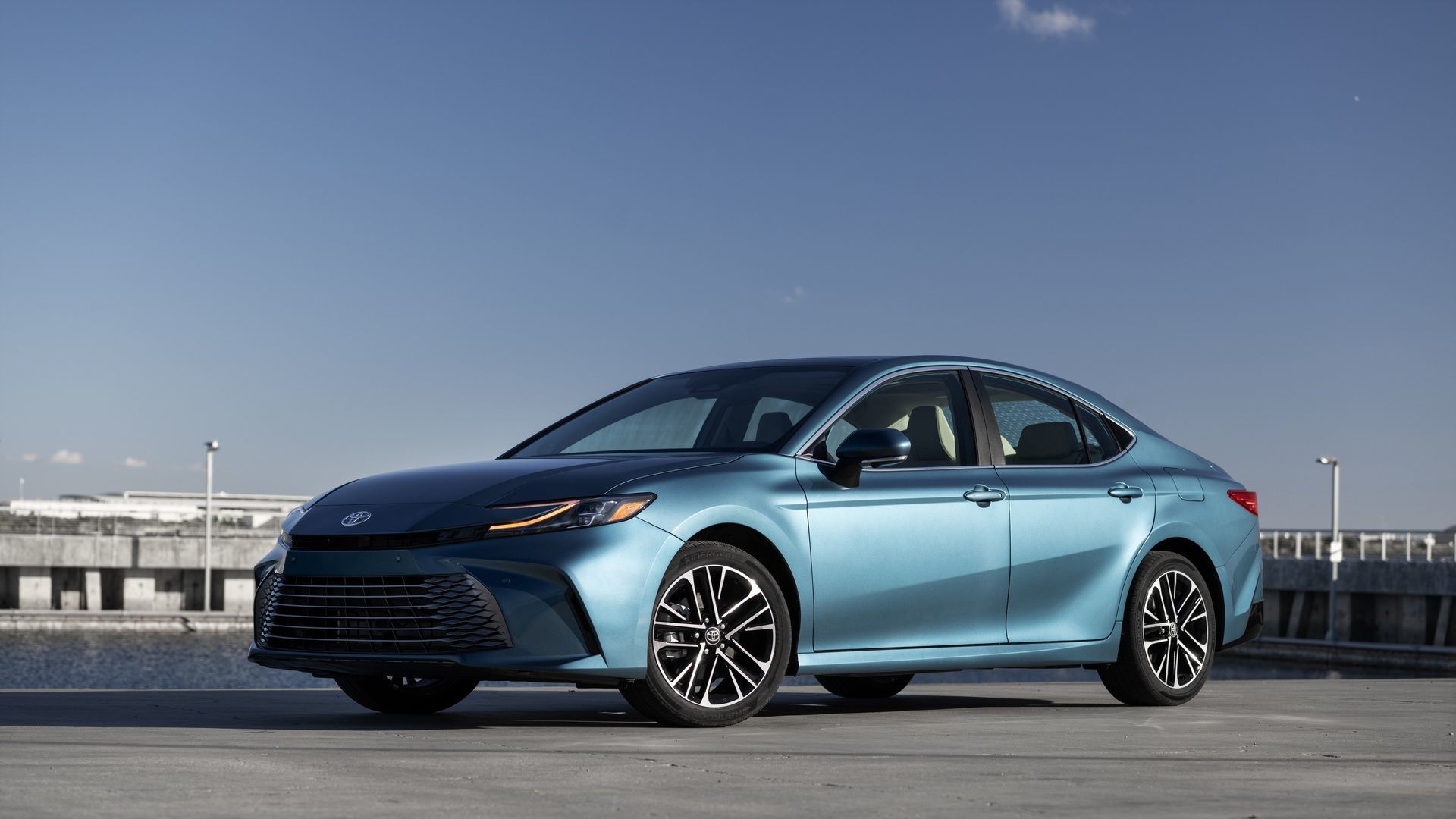
The biggest verified fuel savings come from driver behaviour and basic upkeep, not from fuel grade choices.
|
Factor
|
What to Do
|
Why It Helps
|
|
Acceleration and braking
|
Smooth, gradual inputs
|
Hard acceleration burns noticeably more fuel
|
|
Tire pressure
|
Check monthly, inflate to spec
|
Under-inflated tires increase rolling resistance
|
|
Excess idling
|
Shut off when stopped over 60 seconds
|
Idling burns fuel with zero forward progress
|
|
Speed
|
Reduce highway speed where safe
|
Aerodynamic drag rises sharply above 100 km/h
|
|
Maintenance
|
Follow scheduled service intervals
|
Clean filters, fresh spark plugs, and correct oil grade all affect consumption
|
|
Trip planning
|
Combine errands, avoid cold short trips
|
Cold engines consume more fuel; multiple cold starts add up
|
The Right Fuel for Your Vehicle
The single most reliable guide to what fuel your vehicle needs is the owner's manual. Manufacturers test their engines extensively and specify fuel grade based on the compression ratio, turbocharger design, and engine management calibration. That specification is the answer, and it doesn't change based on fuel prices.
For Humberview Group customers, the range of brands covers vehicles with very different fuel requirements. A turbocharged engine in a Mercedes-Benz or Audi model may require premium, while a Chevrolet Equinox or Toyota Corolla is calibrated for regular. Using the wrong grade in either direction costs money: either in wasted premium spend, or in reduced efficiency and potential damage from too-low octane in a high-compression engine.
If you're unsure what your vehicle requires, or if you've recently purchased a used vehicle without the original manual, a service advisor can confirm the correct fuel specification for your exact model and engine.
Talk to a Humberview Advisor About Your Vehicle's Fuel Needs
Ontario drivers are dealing with real fuel-price volatility, and every dollar at the pump counts. The best move is to run the right fuel for your engine, keep up with basic maintenance, and drive smoothly. Visit the team at Humberview Group to confirm the correct fuel grade for your vehicle and to discuss any service needs that could be affecting your fuel economy.
Explore New Inventory
Fuel-smart driving starts with choosing the right vehicle for your needs. From efficient gas models to hybrid and electric options, The Humberview Group offers a wide selection of new vehicles designed for different driving styles, fuel requirements, and everyday routines.
Shop New Inventory >
You might be interested in these blogs: