Employee pricing shows up in car advertising every year, usually with a promise that shoppers can pay what the people who build the vehicles pay. The phrase sounds simple. The mechanics change from one brand to the next, and so do the rules about who qualifies.
This guide breaks down what employee pricing generally means in Canada, using Ford’s program as the clearest worked example. It also covers how other brands handle it, what the discount is measured against, and the questions worth asking before you assume you are eligible.
What the Discount Is Actually Measured Against
Most retail advertising starts from the manufacturer’s suggested retail price. Employee pricing works from a different number. It is pegged either to the price a manufacturer’s own staff pay, or to the dealer invoice price, which sits below the sticker.
That distinction matters because the savings are calculated from a lower starting point. It also explains why two brands can both advertise employee pricing and land on different discounts for similar vehicles.
What Employee Pricing Usually Leaves Out
The discount applies to the vehicle price. Several line items on a bill of sale sit outside it:
- Federal and provincial taxes
- Freight and delivery charges
- Administrative and documentation fees
A quoted employee price is a vehicle price, so it will not match the final total on your paperwork. Asking for a full breakdown early keeps the comparison between two brands on equal footing.
How Ford Structures Its Program
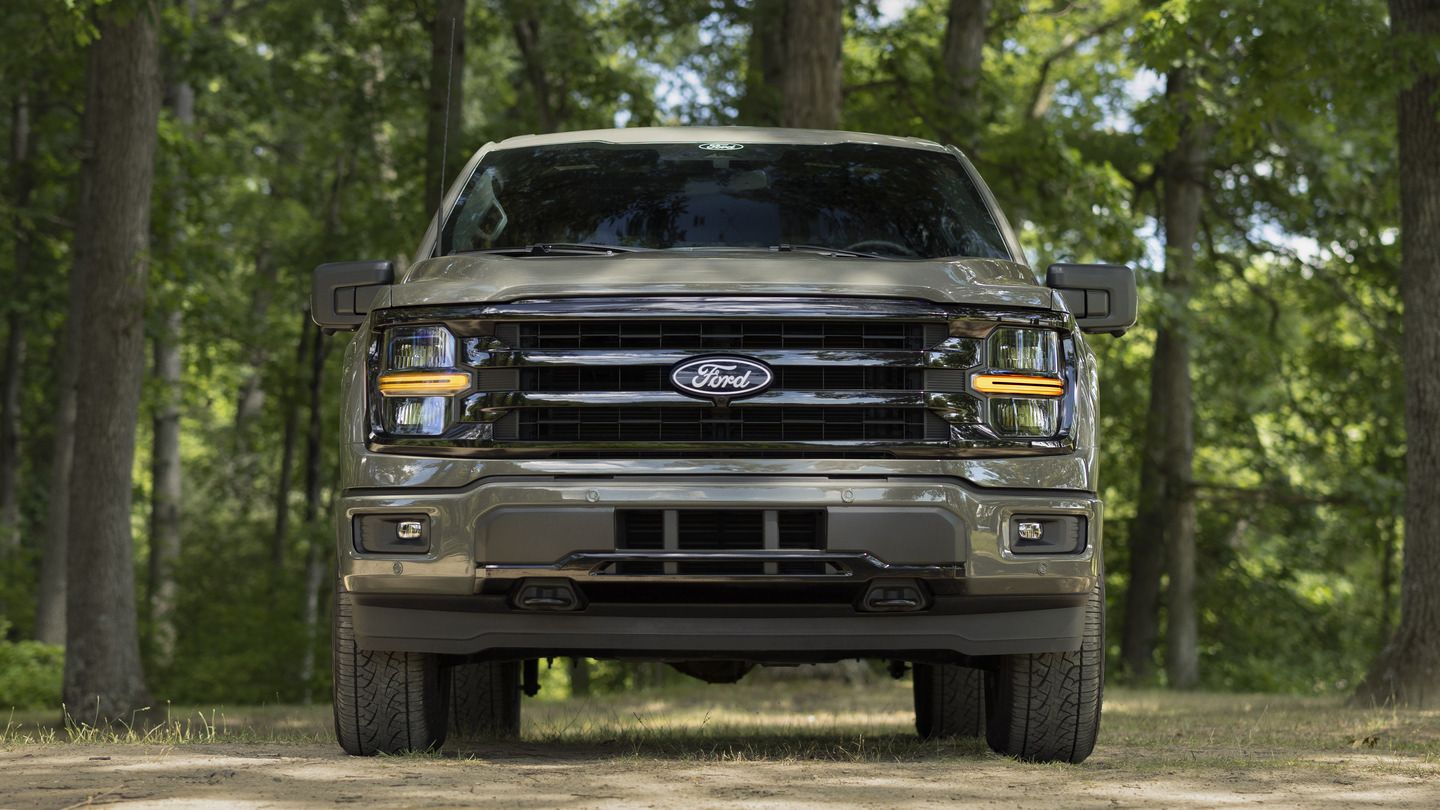
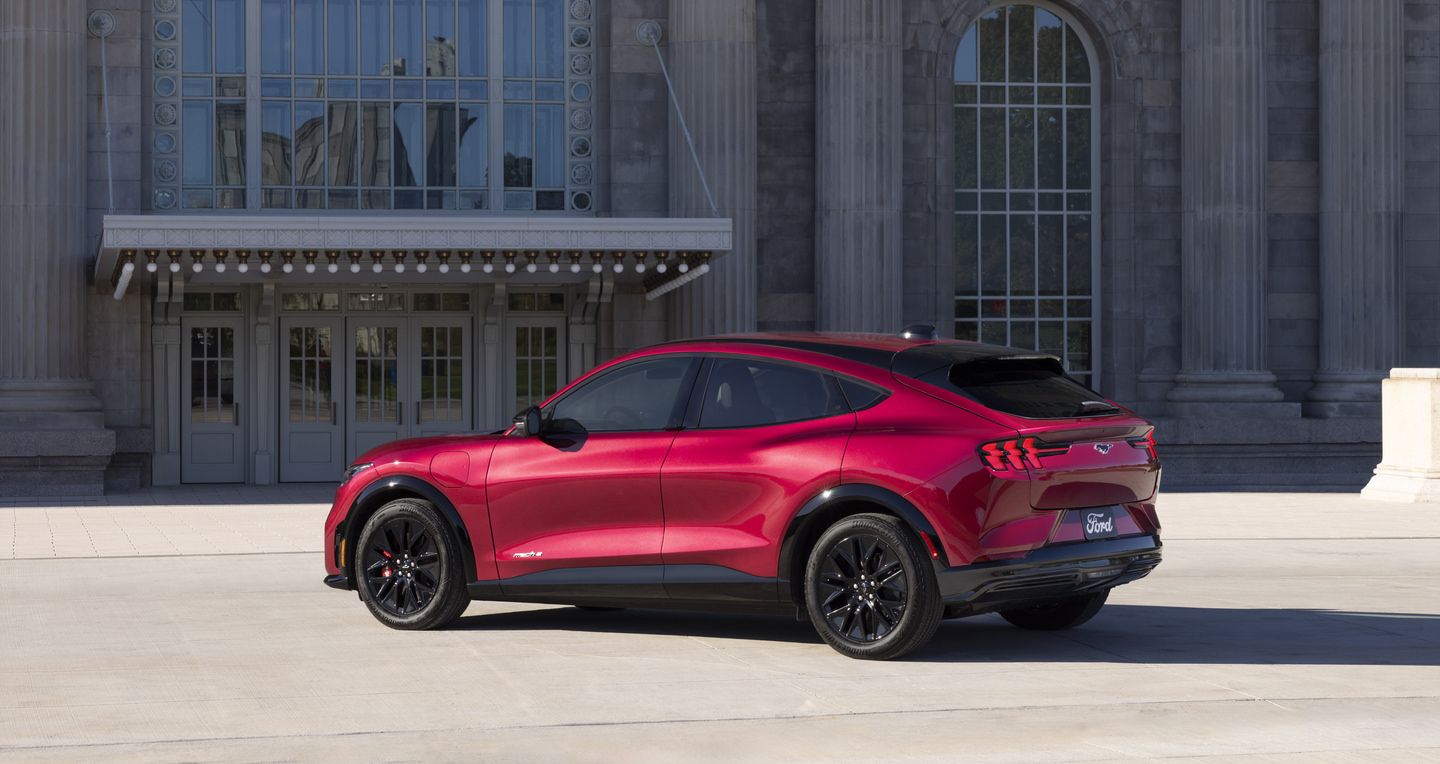
Ford’s version is the most open of the Canadian programs. Employment with Ford is not a requirement, and the offer is built for the general public across most new Ford vehicles. Here is how the program is set up:
- Open to any shopper, with no employment requirement
- Applies to most new Ford models, and a factory order is not needed
- Applies to leases as well as purchases
- Can be paired with Ford’s newcomer, first-time buyer and recent graduate incentives
Ford’s program runs as a limited-time offer with a set closing date, so the eligible model year and the end date change from one run to the next. Confirm both with a dealer before you build a budget around the savings.
Who Qualifies, Brand by Brand

Eligibility is the biggest variable across Canadian programs. Ford opens the door to everyone. Several other brands restrict access to people connected to a qualifying employer or association.
|
Brand
|
Who Typically Qualifies
|
How the Program Is Structured
|
|
Ford
|
Any shopper
|
Limited-time public offer across most new models
|
|
GM
|
Employees or members of a qualifying company or association
|
Proof of eligibility required
|
|
Stellantis
|
Employees or members of a qualifying company or association
|
Proof of eligibility required
|
|
Hyundai
|
Employees or members of a qualifying company or association
|
Proof of eligibility required
|
|
Audi
|
Employees or members of a qualifying company or association
|
Proof of eligibility required
|
|
Honda
|
Varies by campaign
|
Runs as a retail promotion rather than a standing program
|
|
Mercedes-Benz
|
Corporate and fleet partners
|
Built around fleet agreements
|
If a brand requires proof, find out what documentation is accepted and how recent it needs to be. A pay stub, a membership card or a corporate email address may all be treated differently.
Stacking Employee Pricing With Other Offers
Employee pricing can often be combined with other retail incentives. With Ford, most offers stack with it. That pattern is not universal, and some brands treat employee pricing as a substitute for cash incentives rather than an addition.
Financing and lease rates sit in their own category. A low advertised rate and an employee price do not always apply to the same deal, so ask which offers work together before comparing monthly payments across brands.
How to Check Before You Shop
Start with eligibility. Knowing which programs you qualify for, and what proof each one needs, saves a wasted trip and gives you a realistic shortlist of brands to compare.
Then ask what the price is measured against. A discount calculated from invoice and a discount calculated from the sticker are different things, even when the percentage sounds similar.
Finally, ask for the quote in writing with taxes, freight and fees listed on separate lines. One clean document makes it possible to compare two brands accurately instead of comparing two advertisements.
Get the Details for the Brand You Are Shopping

Employee pricing rules shift from one manufacturer to the next, which makes a group with a wide brand roster a practical place to sort it out. Humberview Group in Toronto works across a broad range of brands.
That means the team can explain how each program is structured, what documentation applies, and which offers can be combined. Reach out to Humberview Group for the specifics on the vehicle you have in mind.