Most Ontario drivers think about vehicle readiness only when the season visibly changes. But the real signal comes earlier and quieter than that: the point where daytime highs settle at or below 7°C, the temperature where all-season rubber starts to harden and lose grip.
By the time colder conditions fully set in, a vehicle with a weak battery, low tire pressure, or worn wipers has already been struggling for weeks. A short service visit before that happens catches the small problems while they’re still small.
Why Temperature, Not Snowfall, Is the Real Trigger

All-season tires are built around a rubber compound that performs best above roughly 7°C. Once daytime highs drop consistently below that mark, the compound stiffens and loses the flexibility it needs to grip pavement, well before any snow shows up.
That shift typically arrives in Ontario in the fall, and it doesn’t announce itself the way a snowstorm does. A driver can go weeks without noticing reduced grip, a sluggish start on a cold morning, or a wiper that streaks more than it used to, until conditions get worse and those small issues become a bigger problem on icy or wet pavement.
Treating that temperature drop, not the calendar or the forecast, as the cue to book a service appointment means the inspection happens while the roads are still dry and the shop isn’t buried in last-minute winter bookings.
The Systems Cold Weather Puts to the Test
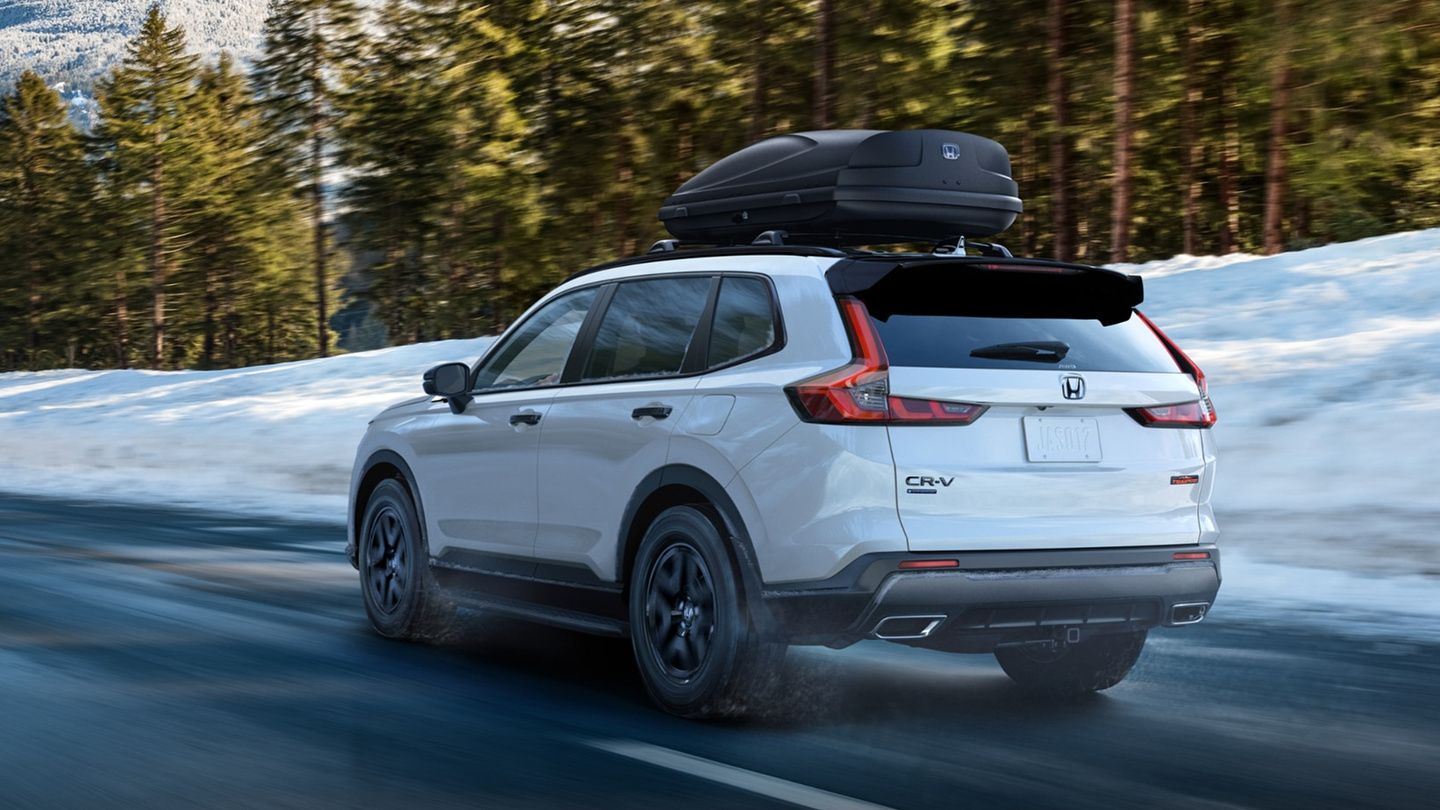
A handful of vehicle systems bear most of the load once temperatures fall, and each one is worth checking on its own.
Battery. Cold weather slows the chemical reaction inside a battery, cutting its available starting power right when the engine needs more of it to turn over. Batteries between three and five years old carry a meaningfully higher risk of failure in cold weather, and a load test during a service visit will show whether a battery is still healthy before it leaves a driver stranded on a cold morning.
A technician can also check the charging system and terminals for corrosion in the same visit, since a weak connection can mimic a failing battery.
Tires. Cooling air causes tire pressure to drop, so a tire that read correctly in warm weather can be underinflated once temperatures fall, without any visible change to the tire itself. That makes a pressure check, including the spare, a basic part of any cold-weather inspection. Tread depth matters just as much: a quick check with a loonie or toonie shows whether there’s enough tread left for wet and icy roads, and a tire worn down near the built-in wear bars should be replaced before conditions get worse, not after.
Fluids. Antifreeze and coolant, brake fluid, and washer fluid rated for winter temperatures should all be inspected and topped up before the cold arrives. A washer fluid that isn’t winter-grade can freeze in the reservoir or lines on a cold morning, leaving a driver with no way to clear road salt off the windshield.
Wipers, lights, and visibility. Icy roads, slush, road salt, and shorter daylight hours all increase stopping distances and reduce visibility at the same time. Wiper blades that streak or show cracking should be replaced, and a full lighting check confirms headlights, taillights, and signals are all working before visibility becomes an issue.
Cabin air filter and defrost. A clogged cabin air filter restricts airflow through the heating and defrost system, which slows down how quickly a foggy windshield clears on a cold morning. Confirming the defrost and heat system are both working properly is a quick check worth doing before relying on them daily.
Block heater. For vehicles equipped with one, a block heater is worth using once temperatures fall below -15°C, and a service visit can confirm the cord, connection, and heater are all functioning before that first deep cold snap arrives.
|
System
|
What Gets Checked
|
Why It Matters
|
|
Battery
|
Load test, terminals, charging system
|
Cold cuts starting power fast
|
|
Tires
|
Pressure, tread depth, wear pattern
|
Grip and stopping distance drop with temperature
|
|
Fluids
|
Coolant, brake fluid, winter washer fluid
|
Prevents freezing and topside failures
|
|
Visibility
|
Wipers, lights, cabin filter, defrost
|
Shorter days and slush demand clear sightlines
|
Who Benefits Most From Getting Ahead of It
Drivers with an older 12-volt battery, or anyone who hasn’t had it load-tested recently, have the most to gain from an early check: a battery that’s marginal in October often fails outright on the first genuinely cold morning. Commuters doing frequent short trips also benefit, since short drives don’t always let a battery fully recharge.
Families planning long-distance travel over the colder months benefit from confirming tires, fluids, and visibility systems are all in good shape before a highway trip, when a breakdown is far less convenient than it is close to home. And any driver who has noticed a wiper streak, a slower start, or a dash warning light over the past few weeks has a specific reason to have it looked at now rather than waiting.
Booking a Cold-Weather Inspection
A single service visit can cover the battery, tires, fluids, and visibility systems that matter most once temperatures drop, giving a clear picture of what’s ready for the season and what needs attention.
Visit Humberview Group in Toronto to schedule a cold-weather inspection and get ahead of the temperature drop before it becomes a problem on the road.