Passing the G2 road test feels like freedom, and in Ontario, it mostly is. But before a new driver starts shopping for their first car, it helps to separate what the law actually allows from what makes sense behind the wheel.
This guide walks through both: the G2 rules that apply in Ontario, and the practical features worth prioritizing on a first vehicle.
Find Your First Vehicle at Humberview Group
Your first vehicle should match your lifestyle, driving needs, and future plans. Explore a wide selection of new and pre-owned vehicles with the features, reliability, and technology that help Ontario drivers feel confident behind the wheel.
Shop New Inventory >
What Does a G2 Licence Actually Allow?
G2 is the intermediate stage of Ontario’s Graduated Licensing System. A driver reaches it after holding a G1 for a minimum of 12 months, or 8 months with an approved driver-training course, and passing the first road test.
Once on G2, a driver can get behind the wheel alone, at any time of day, on any road in the province, including 400-series highways. There’s no overnight restriction on highway driving at this stage.
Zero blood alcohol content and zero tolerance for cannabis or other drugs apply to every G2 driver, along with a strict ban on handheld device use. Passenger limits only kick in for drivers 19 and under, overnight between midnight and 5 a.m.: one under-20 passenger for the first six months on G2, then up to three, with exceptions for immediate family or when a fully licensed driver of four-plus years is also in the car. A G2 licence stays valid for up to five years, after which the final G road test is required.
How Much Will Insurance Cost as a New G2 Driver?
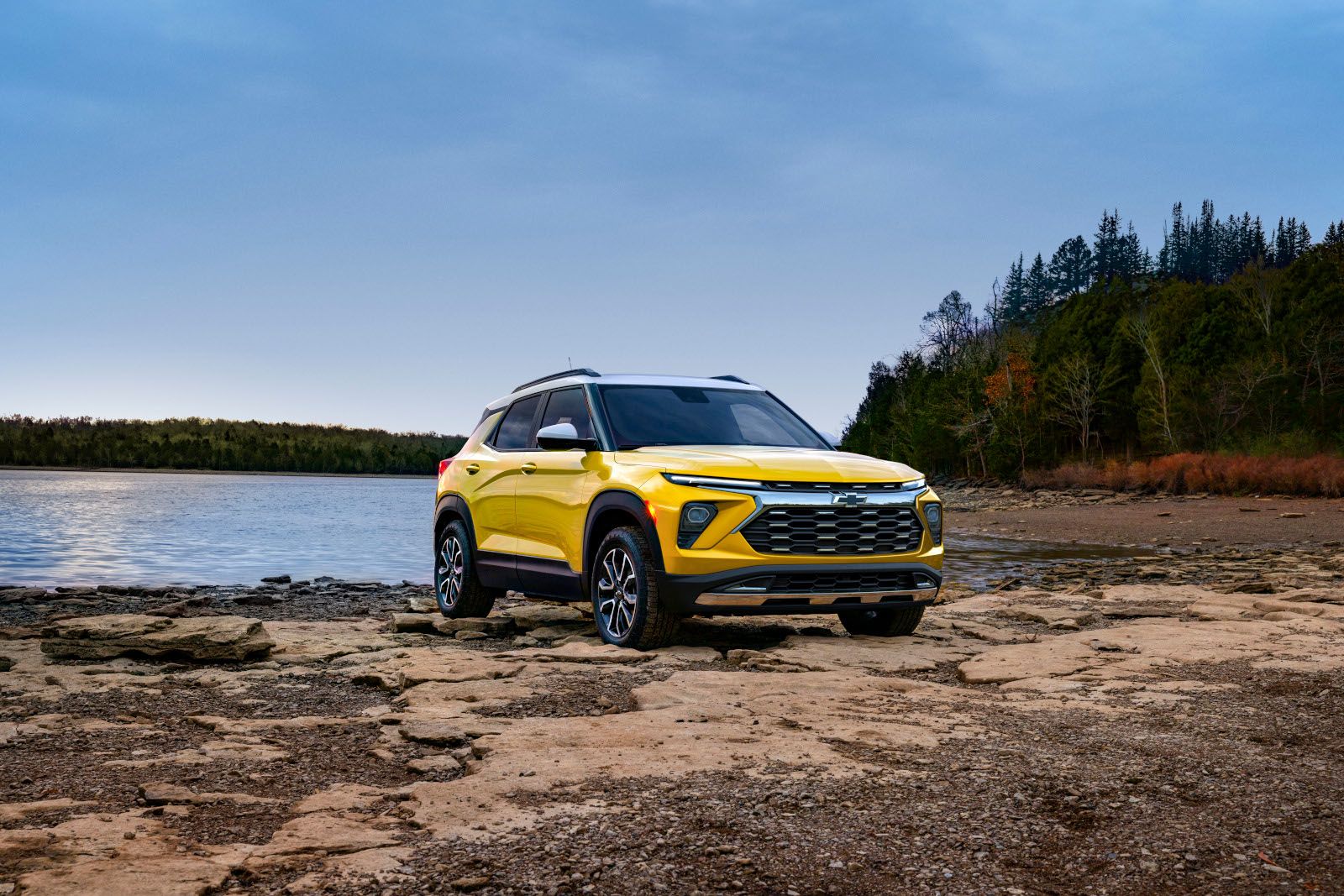
Insurance rates shift constantly by insurer, postal code, and vehicle, so exact numbers aren’t useful here. What’s predictable is the pattern.
Costs tend to peak during the late-teen years, since 18 to 20-year-old drivers are statistically the most expensive group to insure in Ontario. Rates generally ease around 21 and drop more meaningfully near 25.
Each licensing milestone also helps: moving from G1 to G2 to a full G typically brings incremental discounts as a driving record builds. Being added to a parent’s or guardian’s existing policy is usually far cheaper than starting an independent policy from scratch, and it’s worth exploring before a first vehicle purchase.
The vehicle matters as much as the driver. Smaller engines, strong safety ratings, lower theft rates, and cheaper parts all tend to correlate with lower premiums, so a practical first car will almost always insure cheaper than a sporty one. Getting a quote for the specific vehicle before committing to buy it is worth the extra step, since rates vary model to model even within the same class.
What Safety Tech Should a First Car Have?
For a new driver, the buying lens should be safety and simplicity, not performance or image. A few features matter more than horsepower or styling.
Automatic emergency braking, blind-spot monitoring, lane-keeping assist, a rearview camera, and electronic stability control are the systems that most directly reduce new-driver risk, and they’re now common even on entry trims. In city traffic and tight parking lots, a rearview camera and parking sensors help a less experienced driver judge distance and avoid low-speed mistakes.
Looking for a vehicle carrying an IIHS Top Safety Pick or Top Safety Pick+ designation for the current model year is one of the most reliable ways to shortlist candidates, and many award-winning vehicles sit in accessible, mainstream trims. Several Humberview-represented brands, including Honda, Toyota, Hyundai, and Audi, have models recognized in the latest IIHS awards, which keeps a new driver’s search within a trusted-brand shortlist without sacrificing safety credentials.
Good visibility matters just as much as any sensor. A clear view out of the cabin, manageable blind spots, and predictable, easy-to-modulate braking all build confidence faster than a longer feature list.
Sedan, Hatchback, or Small SUV: Which Body Style Fits a New Driver?
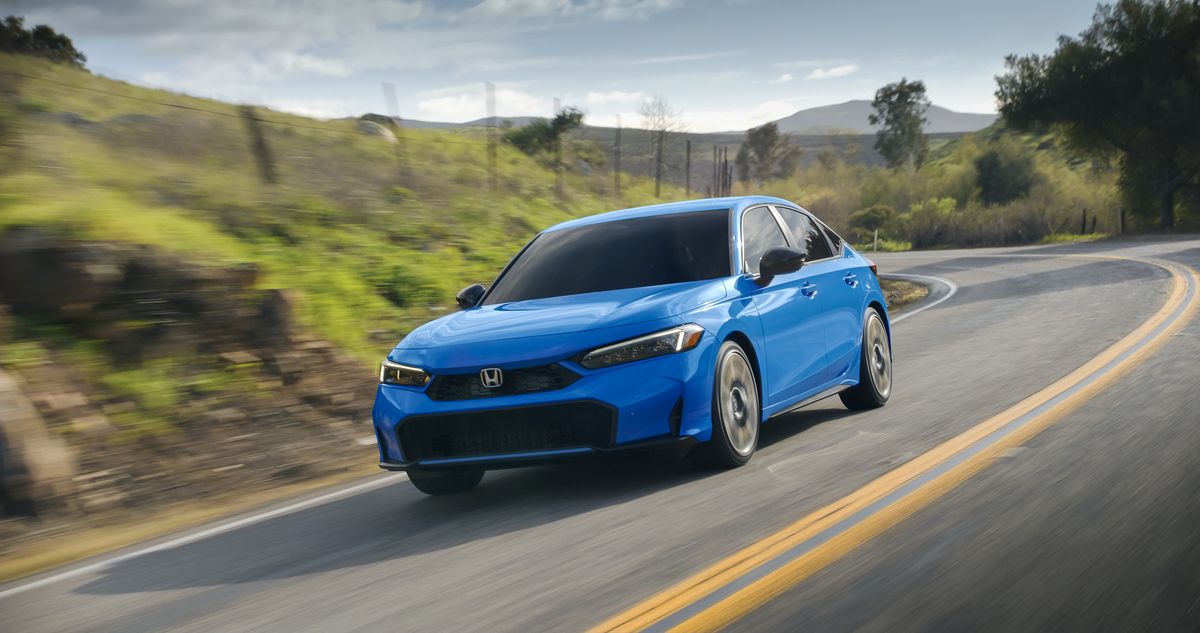
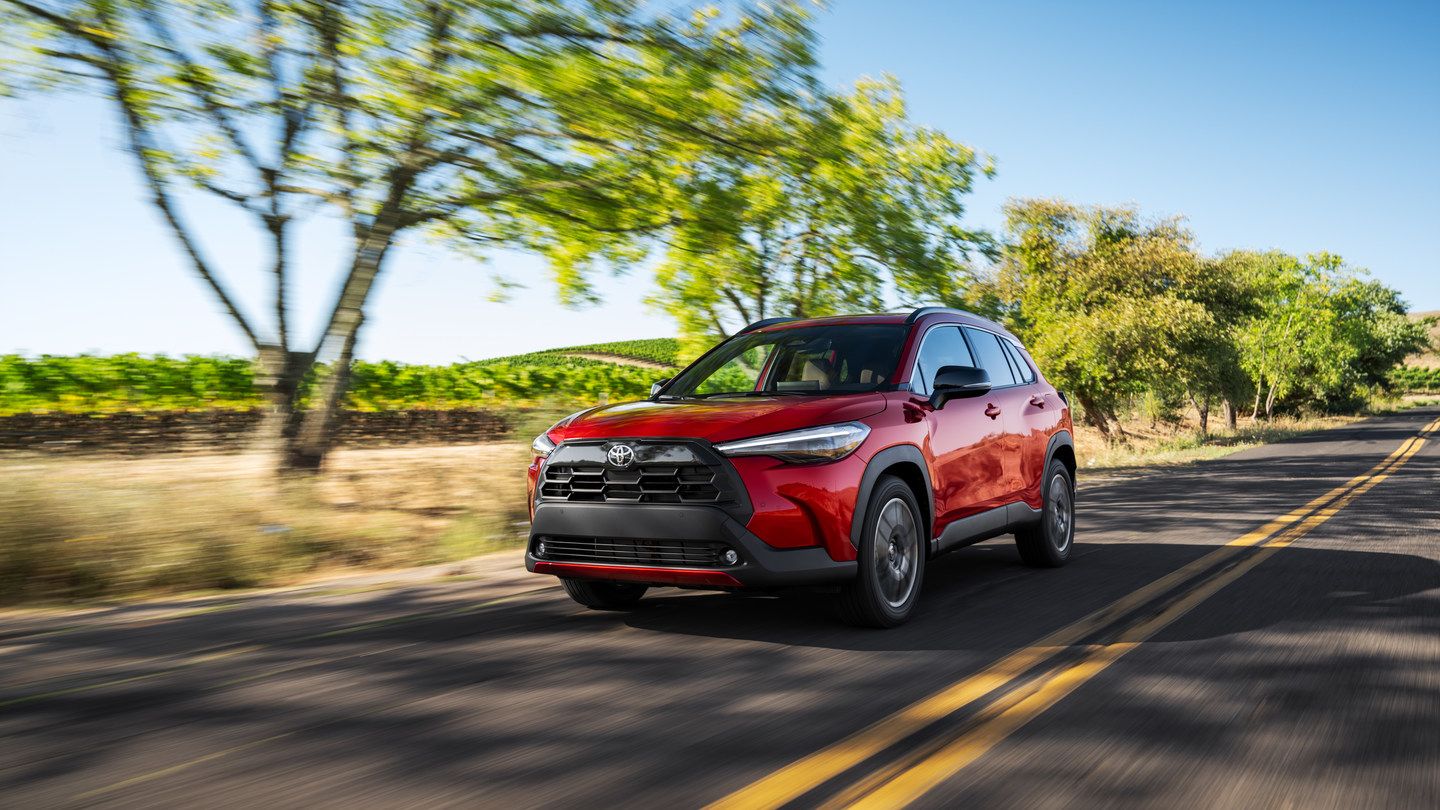
A moderate-size sedan, hatchback, or compact SUV tends to suit a first-time driver better than a larger or more powerful vehicle. Bigger engines and sportier trims typically cost more to insure and are harder to manoeuvre while a driver is still building experience.
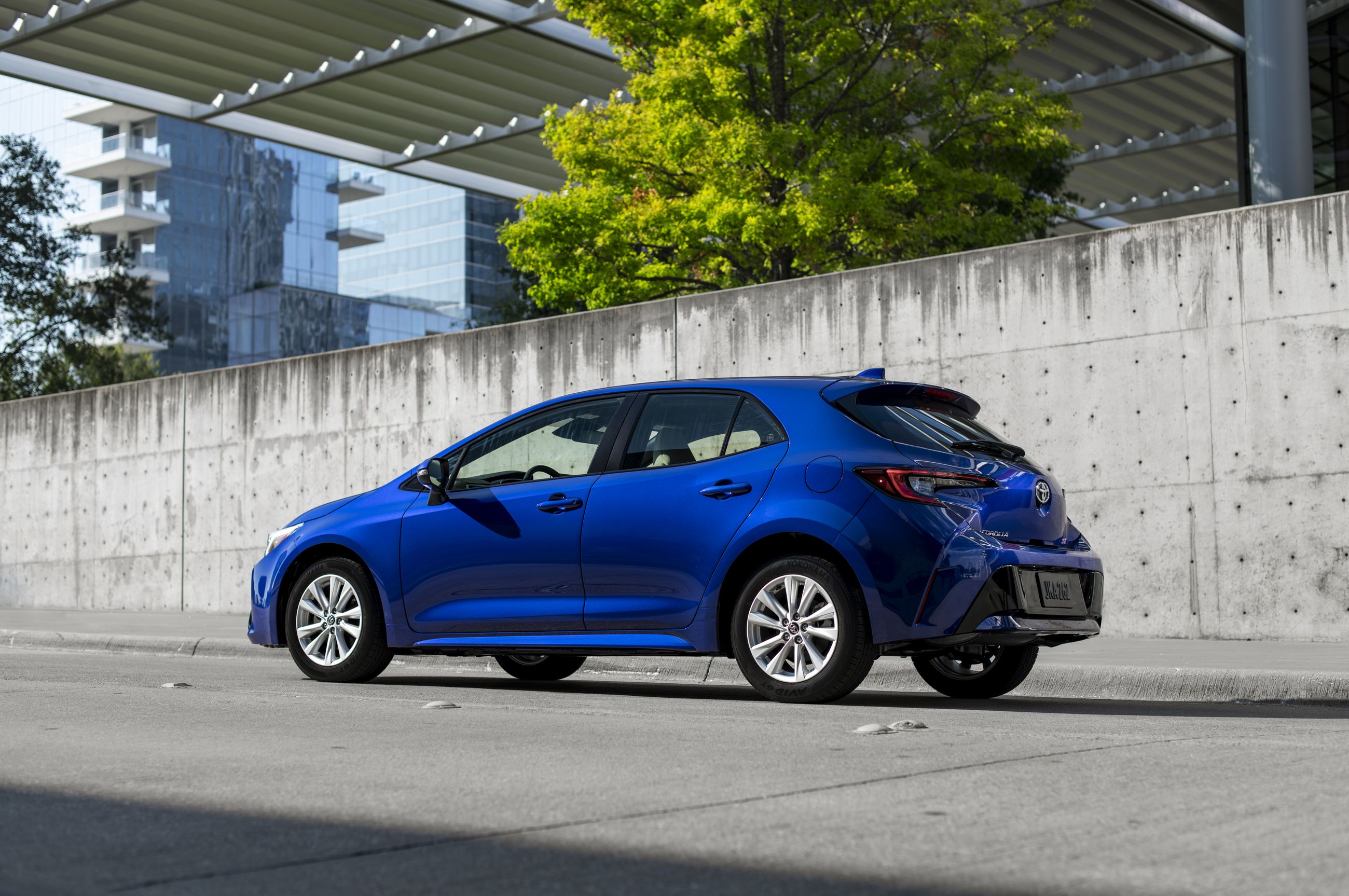
A hatchback or compact SUV usually offers more flexible cargo space for school bags, sports gear, and groceries, while a sedan can offer a lower step-in height and a simpler cabin layout. For frequent highway merging and winter visibility, a slightly higher seating position in a small SUV can make it easier to judge surrounding traffic.
Whichever body style fits, the goal is the same: enough room for daily life without excess size that adds cost or reduces control in tight city parking.
What Do I Need to Know Before Buying a Used Car in Ontario?
Buying a used car in Ontario privately means a Used Vehicle Information Package, or UVIP, is mandatory. It’s a government-issued document showing registration history, liens, and past ownership, and it isn’t required when buying from an OMVIC-registered dealer.
Before finalizing a used purchase, verify the VIN matches across the UVIP, dashboard, and door jamb, check for outstanding liens, and arrange an independent mechanic’s inspection. A Safety Standards Certificate is required to register a used vehicle in Ontario and is only valid for a limited window after inspection, so timing the purchase and registration together matters.
Budget for retail sales tax on private sales, standard registration fees, and proof of insurance, since a vehicle can’t be plated without it.
Quick Answers at a Glance
- G2 driving rules: solo driving, any time of day, all roads including highways, zero tolerance for alcohol/drugs, no handheld devices.
- Insurance: highest around age 18-20, easing at 21 and 25; practical, well-rated vehicles insure cheaper.
- Safety priorities: automatic emergency braking, blind-spot monitoring, lane-keeping assist, rearview camera, stability control.
- Used-car steps: UVIP for private sales, VIN verification, mechanic inspection, valid Safety Standards Certificate.
What Should a New Driver Look for on a Test Drive?
A test drive is where the checklist becomes real. Pay attention to how easy the car is to see out of, how the seat and mirrors adjust, and how the door pockets, glovebox, and rear seats handle everyday storage.
Ask about which driver-assist features come standard versus optional, how the vehicle handles in traffic and on-ramps, and how it feels in changing weather. A short highway merge and a stint through a parking lot will tell a new driver more than a spec sheet ever could.
Choosing With Confidence
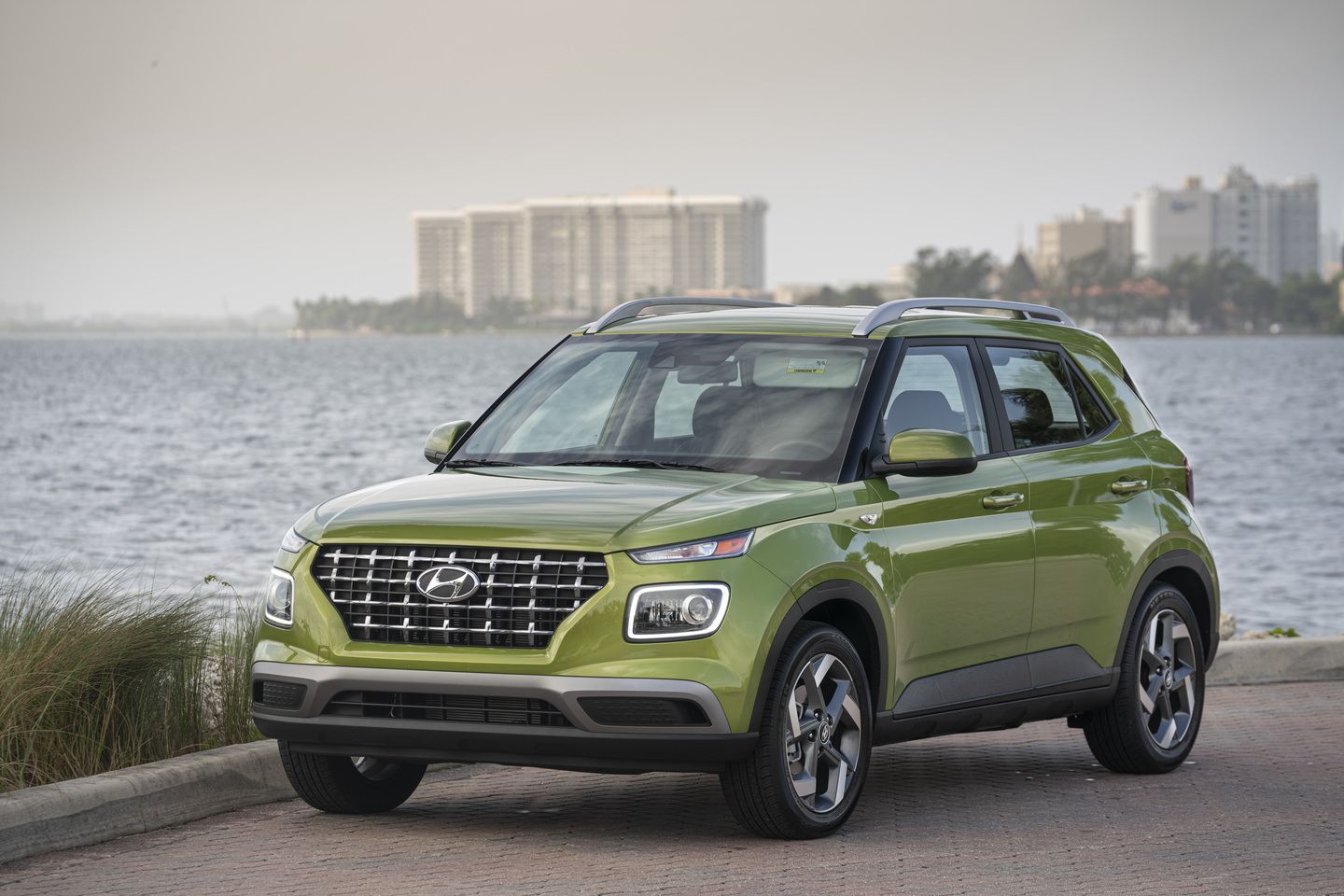
Ontario’s G2 rules are set by the province and don’t change with the market, but the right first car still depends on the driver’s daily routine, insurance situation, and comfort behind the wheel.
Visit a Humberview Group dealership in Toronto to compare first-car options in person with a salesperson, and book a test drive that includes city streets, parking, and a highway merge.
Find Your First Vehicle at Humberview Group
Your first vehicle should match your lifestyle, driving needs, and future plans. Explore a wide selection of new and pre-owned vehicles with the features, reliability, and technology that help Ontario drivers feel confident behind the wheel.
Shop New Inventory >
You might be interested in these blogs: