Spring has arrived in Ontario, and with it comes the annual question: when should I swap my winter tires? The answer is simpler than you might think. Once daily temperatures consistently stay above 7°C - including overnight lows - it's time to make the switch. For the GTA, that typically falls in late March to mid-April. Waiting for a consistent seven-day trend above 7°C is the safest approach, not a single warm day.
This guide covers everything Ontario drivers need to know about summer tire swaps: the science behind the 7°C rule, performance differences between tire types, tread depth safety thresholds, tire pressure tips, and special considerations for electric vehicles.
Explore Our New Inventory
From confident warm-weather handling to everyday comfort and efficiency, the right vehicle can make every spring and summer drive feel better. Explore new inventory at The Humberview Group and discover a wide range of cars, SUVs, trucks, hybrids, and EVs built for Ontario roads.
Shop New Inventory >
Why 7°C Matters: The Science Behind the Swap
There is no law in Ontario mandating a specific date to swap tires - the decision is entirely temperature-based. The industry-standard rule is to switch to summer or all-season tires once daily temperatures consistently stay above 7°C. Below that threshold, winter tire rubber stays soft and grippy. Above it, winter tires wear faster and lose cornering stability.
All-season tires face the opposite problem. Below 7°C, all-season rubber hardens, losing grip on cold pavement. That's why "all-season" really means "three-season" in Canada. Summer tires are engineered for warm-weather performance and should never be used in winter conditions. If temperatures in your area are consistently above 7°C, it may be the right time to book a tire change or tire service appointment with your local Humberview Group dealership.
Regional timing for Ontario:
- Southern Ontario (GTA, Hamilton): Late March once the seven-day forecast stays above 7°C
- Central and Eastern Ontario (Ottawa corridor): Mid-to-late April due to late snowfall risk
Summer vs. All-Season: What's the Difference?
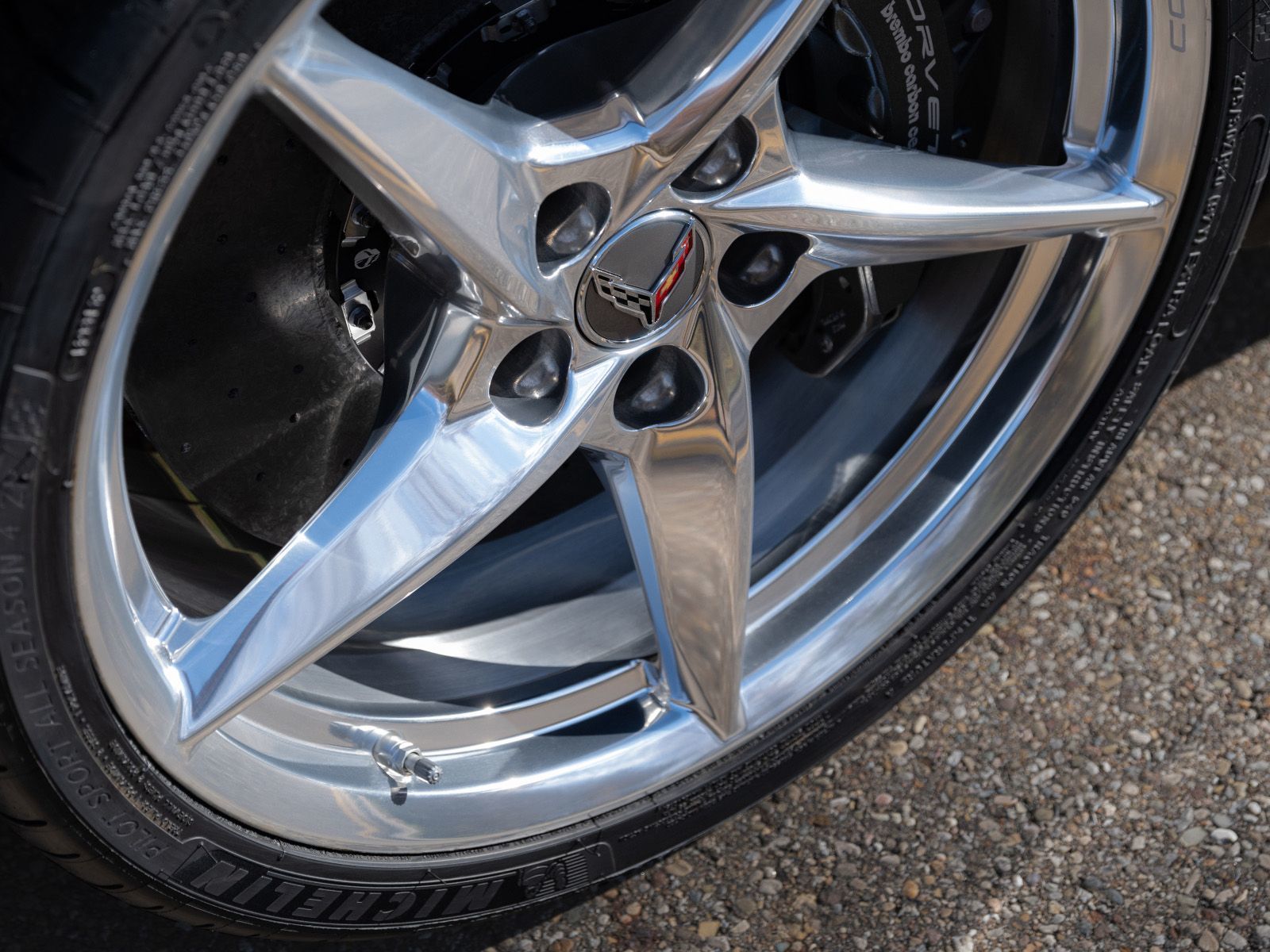
When temperatures are consistently above 7°C, dedicated summer tires outperform all-season in every warm-weather metric: shorter braking distances on dry and wet pavement, better cornering stability, lower rolling resistance for improved fuel efficiency, and superior wet traction with optimized water evacuation grooves.
All-season tires offer a middle ground, handling warm weather reasonably well and managing light snow, but excelling in neither extreme. Summer tires are built for one job: maximum grip and handling when it's warm.
|
Feature
|
Summer Tires
|
All-Season Tires
|
|
Warm-weather performance
|
Excellent
|
Good
|
|
Dry braking
|
Excellent
|
Good
|
|
Wet handling
|
Excellent
|
Moderate
|
Tread Depth: When to Replace, Not Just When It's Legal
Ontario's legal minimum tread depth is 1.5 mm, but a tire at this depth can require up to 30.5 metres of additional stopping distance at 112 km/h compared to a tire with 3.2 mm of tread - the length of three school buses.
Industry-recommended replacement threshold: 3 - 4 mm
Wet road safety minimum: 4 mm
New tire depth (typical): 8 - 10 mm
The "penny test" is a quick home check. Insert a Canadian penny into the tread groove with the Queen's crown facing down. If you can see the top of the crown, your tread is below 2 mm and replacement is needed. For accuracy, use a tread depth gauge from any auto parts store.
Watch for uneven wear caused by potholes, especially common in Ontario after harsh winters. Uneven wear signals alignment issues, which reduce fuel efficiency and shorten tire life.
Tire Pressure: The Monthly Check You Can't Skip

Check tire pressure at least once a month using a quality gauge. Always measure when tires are cold - before driving or after being parked for three or more hours. Use the door jamb sticker or owner's manual for correct PSI, never the sidewall number (that's the maximum, not recommended).
Tires lose roughly 1 PSI for every 5°C drop in temperature. Spring brings pressure gains as air warms, and you may need to release pressure after a cold winter. Overinflation causes centre tread wear only, reducing grip and creating a harsh ride.
Spring tire pressure checklist:
- Check pressure when tires are cold
- Use door jamb sticker for correct PSI
- Adjust for seasonal temperature changes
- Inspect for uneven wear or damage
EV-Specific Tire Considerations
If you drive an electric vehicle - such as a Chevy Equinox EV, Hyundai IONIQ, VW ID.4, or Mercedes EQ - your tire needs differ slightly. EVs have instant torque requiring tires with stronger tread grip to prevent wheel spin. EVs are also heavier than equivalent gas vehicles, requiring higher load-index tires.
Not all EVs need "EV-branded" tires, but load index and speed rating must match OEM specs. EV summer tires should prioritize low road noise, stable wear, and strong wet grip. When shopping for replacements, match or exceed your current tire's load index.
Wheel Alignment and Brake Inspection: Hidden Spring Maintenance
Potholes and ice ridges knock alignment out over winter, causing uneven tire wear and reduced fuel efficiency. A wheel alignment check after spring thaw ensures tires wear evenly and your vehicle tracks straight.
Spring is also ideal for brake inspection. Salt and moisture corrode brake pads, rotors, and calipers over winter. A technician can assess wear and catch problems before they become expensive repairs.
Ontario's Winter Tire Insurance Discount: Keep It Active

Ontario law requires all insurers to offer a 2 - 5% discount for installing winter tires, typically valid December through March. Removing them correctly in spring - then reinstalling in fall - keeps that discount active year over year. CAA offers a full 5% discount. Check with your insurer to confirm eligibility.
Storing Your Winter Tires Properly
Before storing winter tires, wash and dry them to prevent salt-induced corrosion. Store in a cool, dry place away from direct sunlight. If mounted on rims, stack them flat. If unmounted, store upright to prevent deformation. Proper storage extends tire life and ensures they're ready when temperatures drop in fall.
The Bottom Line
The 7°C rule is your guide for when to swap tires in Ontario. Once daily temperatures - including overnight lows - consistently stay above 7°C, switch to summer or all-season tires. Summer tires offer the best warm-weather performance, while all-season tires provide a practical middle ground. Replace tires at 3 - 4 mm of tread depth, not the legal minimum. Check tire pressure monthly, and don't skip the wheel alignment check after a rough winter.
If you drive an EV, ensure replacement tires match the load index and speed rating of your original equipment.
Call, book online, or walk in - we're here to help.
Explore Our New Inventory
From confident warm-weather handling to everyday comfort and efficiency, the right vehicle can make every spring and summer drive feel better. Explore new inventory at The Humberview Group and discover a wide range of cars, SUVs, trucks, hybrids, and EVs built for Ontario roads.
Shop New Inventory >
You might be interested in these blogs: